Maximize Your Mini Space: Compact Houseplants for Small Apartments

Introduction to Compact Houseplants
Imagine this situation: you’re living in a small apartment with limited space, but you still want to bring some greenery into your life. You’re not alone – many of us face this challenge. But what would you do in this situation? The good news is that there are many compact houseplants that can thrive in small spaces, and with the right care, they can even purify the air and improve the aesthetic of your apartment.
Table Of Content
- Introduction to Compact Houseplants
- Choosing the Right Compact Houseplant
- Lighting Requirements
- Caring for Compact Houseplants
- Watering and Humidity
- Common Mistakes to Avoid
- Conclusion and Next Steps
- Frequently Asked Questions
- What are compact houseplants and how can they benefit small apartment dwellers?
- What factors should be considered when choosing a compact houseplant?
- How often should compact houseplants be watered?
- What are some common mistakes to avoid when caring for compact houseplants?
- How can I increase the humidity around my compact houseplant?
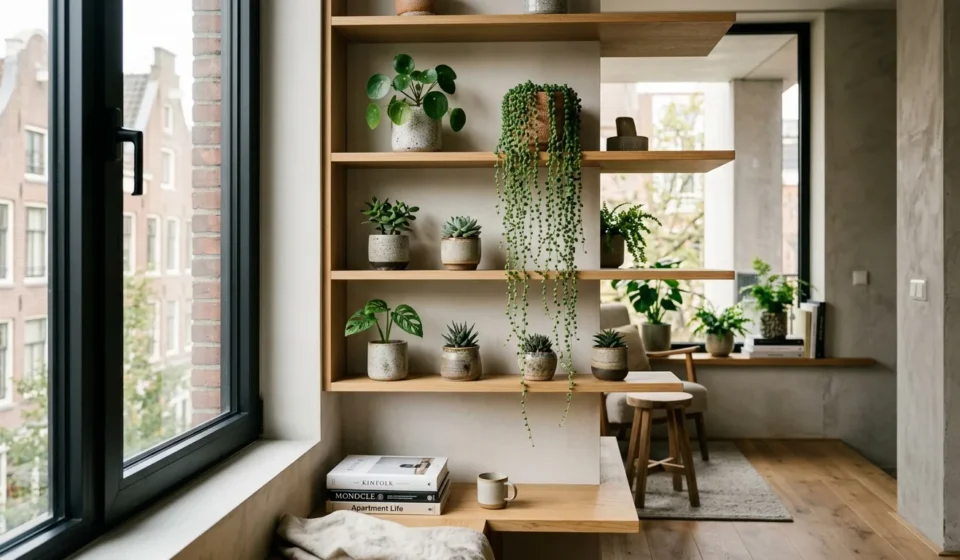
In my opinion, compact houseplants are a game-changer for small apartment dwellers. They come in a variety of shapes, sizes, and colors, and can add a touch of personality to any room. But before we dive into the best compact houseplants, let’s talk about what makes a plant “compact” in the first place. Simply put, compact houseplants are plants that are naturally small or can be pruned to maintain a small size, making them perfect for small spaces.
Some examples of compact houseplants include the Snake Plant ‘Laurentii’, the ZZ Plant, and the Peperomia. These plants are all low-maintenance and can thrive in a variety of lighting conditions, making them perfect for small apartments.
Choosing the Right Compact Houseplant
Lighting Requirements
When it comes to choosing a compact houseplant, one of the most important factors to consider is lighting. Different plants have different lighting requirements, so it’s essential to choose a plant that can thrive in the lighting conditions of your apartment. For example, if your apartment gets a lot of direct sunlight, you may want to choose a plant like the Succulent or the Cactus. On the other hand, if your apartment gets mostly low light, you may want to choose a plant like the Pothos or the Dracaena.
To determine the lighting requirements of your apartment, you can use a light meter or simply observe the amount of sunlight that enters your windows throughout the day. Honestly, it’s not rocket science, but it does require some observation and attention to detail.
Here are some general guidelines for lighting requirements:
- Bright indirect light: East- or west-facing windows
- Medium light: North-facing windows or offices with fluorescent lighting
- Low light: Basements or rooms with limited natural light
Caring for Compact Houseplants
Watering and Humidity
Once you’ve chosen a compact houseplant, it’s essential to learn how to care for it. Watering and humidity are two of the most critical factors in plant care. Over-watering is one of the most common mistakes people make when caring for houseplants, so it’s essential to get it right. The general rule of thumb is to water your plant when the top 2 inches of soil are dry. You can check this by sticking your finger into the soil or using a moisture meter.
In addition to watering, you’ll also need to consider humidity. Most houseplants prefer a humid environment, but some can thrive in dry conditions. To increase the humidity around your plant, you can use a humidifier or place the plant on a tray filled with water and pebbles.
Here are some tips for watering and humidity:
- Water thoroughly: Water your plant until you see water coming out of the drainage holes
- Let the soil dry: Allow the top 2 inches of soil to dry out between waterings
- Use a humidifier: Increase the humidity around your plant to prevent dryness and promote healthy growth
Common Mistakes to Avoid
When it comes to caring for compact houseplants, there are several common mistakes to avoid. One of the most common mistakes is over-watering, which can lead to root rot and other problems. Another mistake is under-watering, which can cause the plant to become stressed and weak.
To avoid these mistakes, it’s essential to observe your plant closely and adjust your care routine accordingly. For example, if you notice that your plant is droopy or wilted, it may be a sign that it needs more water. On the other hand, if you notice that the soil is consistently waterlogged, it may be a sign that you’re over-watering.
Let me add something here: it’s also important to choose a plant that’s suitable for your lifestyle. If you’re away from home for long periods of time, you may want to choose a low-maintenance plant like the ZZ Plant or the Succulent. These plants can thrive in neglect and require minimal care.
Conclusion and Next Steps
So far we’ve covered the basics of compact houseplants, including lighting requirements, watering, and humidity. We’ve also discussed some common mistakes to avoid and how to choose a plant that’s suitable for your lifestyle. Now let’s get to the really critical point: taking action and starting your own compact houseplant journey.
To be fair, it’s not always easy to get started with houseplants. But with the right knowledge and care, you can create a beautiful and thriving indoor garden that brings joy and freshness to your life. Honestly, it’s worth the effort – and I’m here to help you every step of the way.
So what to do this week? Start by choosing a compact houseplant that suits your lifestyle and lighting conditions. Then, learn how to care for it by reading up on watering, humidity, and other essential tips. Finally, take action and start your own compact houseplant journey. You won’t regret it – and your apartment will thank you.
Frequently Asked Questions
What are compact houseplants and how can they benefit small apartment dwellers?
Compact houseplants are plants that are naturally small or can be pruned to maintain a small size, making them perfect for small spaces. They can thrive in small apartments, purify the air, and improve the aesthetic of the space. With the right care, compact houseplants can add a touch of personality to any room and are a game-changer for small apartment dwellers.
What factors should be considered when choosing a compact houseplant?
One of the most important factors to consider when choosing a compact houseplant is lighting. Different plants have different lighting requirements, so it's essential to choose a plant that can thrive in the lighting conditions of your apartment. You can use a light meter or observe the amount of sunlight that enters your windows throughout the day to determine the lighting requirements of your apartment.
How often should compact houseplants be watered?
The general rule of thumb is to water your compact houseplant when the top 2 inches of soil are dry. You can check this by sticking your finger into the soil or using a moisture meter. It's also essential to let the soil dry out between waterings to prevent over-watering, which can lead to root rot and other problems.
What are some common mistakes to avoid when caring for compact houseplants?
Some common mistakes to avoid when caring for compact houseplants include over-watering and under-watering. Over-watering can lead to root rot and other problems, while under-watering can cause the plant to become stressed and weak. It's essential to observe your plant closely and adjust your care routine accordingly to avoid these mistakes.
How can I increase the humidity around my compact houseplant?
To increase the humidity around your compact houseplant, you can use a humidifier or place the plant on a tray filled with water and pebbles. Most houseplants prefer a humid environment, and increasing the humidity around your plant can help prevent dryness and promote healthy growth. You can also group plants together to create a microclimate with higher humidity.