Unlock Your Green Thumb: The Top 10 Easiest & Most Popular Houseplants

Dreaming of a lush, vibrant indoor jungle but worried you don’t have a “green thumb”? Let me tell you a secret: you absolutely can! The key isn’t magic; it’s choosing the right plants and understanding their basic needs. Many popular houseplants have earned their reputation because they’re incredibly forgiving and practically thrive on neglect. They are the true heroes for apartment dwellers, busy homeowners, and office workers alike.
Table Of Content
- Your Green Journey Starts Here: The Unbeatable Top 5 Easy-Care Houseplants
- 1. The Indestructible Snake Plant (Sansevieria trifasciata)
- 2. The Mighty ZZ Plant (Zamioculcas zamiifolia)
- 3. The Versatile Pothos (Epipremnum aureum)
- 4. The Charming Spider Plant (Chlorophytum comosum)
- 5. The Elegant Peace Lily (Spathiphyllum)
- Elevate Your Space: 5 More Beloved Plants for Thriving Interiors
- 6. The Soothing Aloe Vera (Aloe barbadensis miller)
- 7. The Classic Heartleaf Philodendron (Philodendron hederaceum)
- 8. The Statement Monstera Deliciosa
- 9. The Resilient Rubber Plant (Ficus elastica)
- 10. The Colorful Chinese Evergreen (Aglaonema)
- General Wisdom for All Your New Green Friends
- Avoiding the Most Common Plant Parent Missteps
- What to Do This Week
- Frequently Asked Questions
- What are the easiest houseplants to care for?
- How often should I water my Snake Plant?
- Can the ZZ Plant survive in low light conditions?
- How do I propagate a Pothos plant?
- What are the benefits of having indoor plants like the Spider Plant?
At Easy Houseplant Care, we believe everyone deserves thriving indoor greenery without complicated routines. This guide will walk you through the ten most popular and genuinely easy-to-care-for houseplants that will instantly elevate your space and boost your spirits. We’ll cover everything from their ideal light and watering to simple propagation tips, ensuring you pick the perfect green companions for your lifestyle.
Your Green Journey Starts Here: The Unbeatable Top 5 Easy-Care Houseplants
These five plants are the rockstars of the indoor plant world, consistently topping lists for their resilience and minimal demands. If you’re just starting out, or simply want guaranteed success, these are your go-to choices. They forgive missed waterings, tolerate less-than-ideal light, and often bounce back from common mistakes.
1. The Indestructible Snake Plant (Sansevieria trifasciata)
Often called “Mother-in-Law’s Tongue,” the Snake Plant is truly a champion for beginners. Its upright, sword-like leaves add a modern, architectural touch to any room. Seriously, you have to try pretty hard to kill one of these!
- Light: Highly adaptable. Thrives in bright indirect light but tolerates low light conditions remarkably well. Just avoid direct, harsh sun.
- Watering: Infrequent. Water only when the soil is completely dry, usually every 2-4 weeks. Overwatering is its only real enemy.
- Soil: A standard well-draining potting mix is perfect. Consider adding a bit of perlite for extra drainage.
- Why it’s easy: It’s incredibly drought-tolerant and can handle a wide range of light conditions. It’s also excellent at purifying air!
2. The Mighty ZZ Plant (Zamioculcas zamiifolia)
The ZZ Plant is another superstar for forgetful plant parents. With its waxy, dark green leaves, it brings a sleek, sophisticated vibe to any interior. This plant stores water in its thick rhizomes, making it incredibly drought-tolerant.
- Light: Prefers medium to low indirect light but can survive in extremely low light, making it ideal for dimly lit corners or offices.
- Watering: Sparingly. Allow the soil to dry out completely between waterings, often every 3-5 weeks. When in doubt, wait another week!
- Soil: A well-draining succulent or cactus mix works wonders, or a regular potting mix amended with extra perlite or pumice.
- Why it’s easy: Virtually unkillable due to its water-storing rhizomes and tolerance for low light.
3. The Versatile Pothos (Epipremnum aureum)
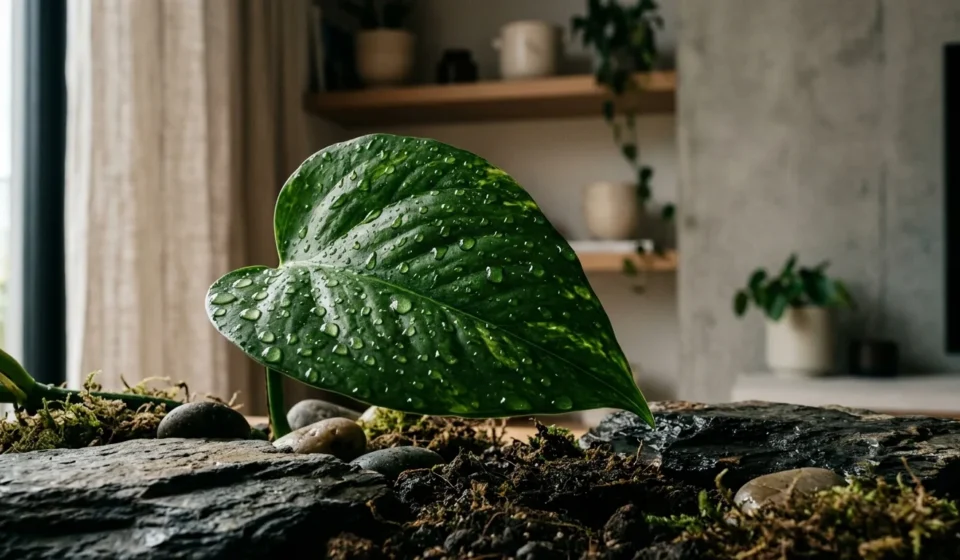
The Pothos is a trailing beauty known for its heart-shaped leaves and vigorous growth. Varieties like ‘Golden Pothos’ or ‘Marble Queen’ offer beautiful variegation. This plant is incredibly adaptable and perfect for hanging baskets or letting its vines cascade from a shelf.
- Light: Thrives in medium to bright indirect light but can tolerate low light, though variegation might be less pronounced.
- Watering: Water when the top 2-3 inches of soil feel dry to the touch, typically every 7-10 days. It will tell you it’s thirsty by drooping slightly.
- Soil: A good quality, all-purpose potting mix that drains well.
- Propagation: One of the easiest plants to propagate! Simply snip a vine section with a few leaves and a node, and place it in water. Roots usually appear within weeks.
- Why it’s easy: It’s forgiving, grows quickly, and signals its needs clearly.
4. The Charming Spider Plant (Chlorophytum comosum)
With its arching foliage and adorable “spiderettes” (baby plants) that dangle from the mother plant, the Spider Plant is a classic for a reason. It’s a fantastic air purifier and adds a playful touch to any room, especially in hanging planters.
- Light: Prefers bright indirect light but tolerates medium light. Direct sun can scorch its leaves.
- Watering: Water when the top inch or two of soil is dry. They like consistent moisture but don’t want to sit in soggy soil.
- Soil: A standard well-draining potting mix.
- Propagation: Simply snip off the spiderettes and plant them directly into soil or root them in water. It’s incredibly easy!
- Why it’s easy: Low-maintenance, produces “babies” for free, and purifies the air.
5. The Elegant Peace Lily (Spathiphyllum)
The Peace Lily is renowned for its elegant white “blooms” (which are actually modified leaves called spathes) and lush, dark green foliage. It’s a popular choice because it’s beautiful and has a unique way of telling you when it’s thirsty.
- Light: Prefers medium to low indirect light. Direct sun can burn its leaves.
- Watering: Water thoroughly when the top 1-2 inches of soil are dry, or, even better, when its leaves start to dramatically droop. Don’t worry, a good drink will perk it right back up!
- Soil: A rich, well-draining potting mix.
- Why it’s easy: It clearly communicates its watering needs, making it hard to over or underwater once you learn its signals.
Elevate Your Space: 5 More Beloved Plants for Thriving Interiors
Once you’re comfortable with the first five, these next selections offer a bit more variety in aesthetics and growth habits, while still remaining firmly in the “easy care” category. They are popular for their beauty, unique forms, or beneficial properties.
6. The Soothing Aloe Vera (Aloe barbadensis miller)
More than just a pretty face, Aloe Vera is a functional succulent known for its medicinal properties. The gel inside its thick, fleshy leaves can soothe minor burns and skin irritations, making it a handy plant to have around.
- Light: Needs bright, direct to indirect light. A south or west-facing window is ideal.
- Watering: As a succulent, it’s drought-tolerant. Water deeply only when the soil is completely dry, usually every 2-4 weeks.
- Soil: A well-draining succulent or cactus mix is crucial to prevent root rot.
- Why it’s easy: Extremely forgiving with watering and offers practical benefits.
7. The Classic Heartleaf Philodendron (Philodendron hederaceum)
Similar to Pothos in its easy-going nature, the Heartleaf Philodendron features smaller, glossy, heart-shaped leaves that trail beautifully. It’s a classic for a reason and perfect for adding a touch of jungle charm.
- Light: Thrives in medium to bright indirect light but tolerates low light quite well.
- Watering: Water when the top 1-2 inches of soil feel dry. They prefer consistent moisture but not soggy feet.
- Soil: A standard well-draining potting mix.
- Propagation: Very easy to propagate from stem cuttings in water or soil, just like Pothos.
- Why it’s easy: Resilient, adaptable, and a fast grower, making it very rewarding.
8. The Statement Monstera Deliciosa
The iconic Monstera Deliciosa, often called the “Swiss Cheese Plant” due to its distinctive fenestrations (natural holes and splits in its leaves), has become a true superstar. While it looks exotic, it’s surprisingly manageable for its size, making a bold statement in any room.
- Light: Prefers bright, indirect light. Direct sun can scorch its leaves. Rotating it periodically helps with even growth.
- Watering: Water when the top 2-3 inches of soil are dry. It likes a good soak but needs to dry out somewhat between waterings.
- Soil: A chunky, well-draining mix is best. Try 50% potting mix, 30% perlite, and 20% orchid bark for a happy Monstera.
- Why it’s popular: Its dramatic foliage and relatively straightforward care make it a highly coveted plant.
9. The Resilient Rubber Plant (Ficus elastica)
The Rubber Plant is a striking choice with large, glossy leaves that come in shades of deep green, burgundy, and variegated forms. It’s an excellent alternative to the more finicky Fiddle Leaf Fig, offering similar visual impact with much less fuss.
- Light: Prefers bright, indirect light. Can tolerate medium light, but growth will be slower and leaves may be smaller.
- Watering: Water thoroughly when the top 2-3 inches of soil are dry. Ensure good drainage to prevent root rot.
- Soil: A well-draining potting mix.
- Why it’s easy: Once settled, they are quite self-sufficient and add a beautiful, bold texture to your space.
10. The Colorful Chinese Evergreen (Aglaonema)
Chinese Evergreens are celebrated for their vibrant, often variegated foliage, ranging from deep greens to reds, pinks, and silvers. They are incredibly tolerant of lower light conditions and make a fantastic choice for adding a splash of color without needing a sunny window.
- Light: Thrives in medium to low indirect light. Avoid direct sunlight, which can burn their colorful leaves.
- Watering: Water when the top 1-2 inches of soil are dry. They appreciate consistent moisture but don’t like to be waterlogged.
- Soil: A standard, well-draining potting mix.
- Why it’s easy: Highly adaptable to lower light, relatively pest-resistant, and offers stunning foliage variety.
General Wisdom for All Your New Green Friends
While each plant has its specific nuances, there are universal truths that apply to almost all indoor plants. Mastering these basics will ensure your new additions thrive with minimal effort.
- Understanding Light: When we say “bright indirect light,” imagine a spot where you could comfortably read a book all day without eye strain. It’s bright but never gets direct sun rays hitting the leaves. A good rule of thumb: the closer to a window, the brighter the light. If you have a south or west-facing window, place plants a few feet back or use a sheer curtain. For a quick assessment, consider a light meter or even a simple phone app!
- The Art of Watering: The most common killer of houseplants is overwatering. Instead of sticking to a rigid schedule, get to know your soil. Use your finger to check the soil moisture. For most of these plants, waiting until the top 2-3 inches of soil are dry is a reliable indicator. A moisture meter can be a great beginner tool, offering precise readings. Always ensure your pot has drainage holes!
- Choosing the Right Soil: A “well-draining soil mix” allows excess water to escape freely, preventing roots from sitting in soggy conditions, which leads to root rot. A basic blend for most of these plants would be 50% good quality indoor potting mix, 30% perlite (small white volcanic rock that improves drainage), and 20% orchid bark (adds aeration and prevents compaction).
- Feeding Your Plants: During the growing season (spring and summer), most plants benefit from a balanced liquid fertilizer, like a 10-10-10 or 20-20-20, diluted to half strength every 4 weeks. Always fertilize on moist soil to prevent root burn. Reduce or stop feeding during fall and winter when growth slows.
- When to Repot: Repot your plants when they become “root-bound” (roots are circling the bottom of the pot or growing out of drainage holes) or when they’ve simply outgrown their current container. Generally, moving up one pot size (e.g., from 6-inch to 8-inch) every 1-2 years is sufficient. Spring is the best time for repotting.
Avoiding the Most Common Plant Parent Missteps
Honestly, most plant “failures” stem from just a few common mistakes. But what would you do in this situation? Imagine you’ve got a beautiful Pothos, and suddenly the leaves start turning yellow and mushy. Your first thought might be to water it more, right? Wrong!
- Overwatering is the #1 Killer: This cannot be stressed enough. When roots sit in perpetually wet soil, they suffocate and rot. Always err on the side of underwatering rather than overwatering. Use pots with drainage holes and never let your plant sit in standing water.
- Ignoring Light Needs: While many of these plants tolerate lower light, “tolerate” doesn’t mean “thrive.” Placing a plant that needs bright indirect light in a dark corner will lead to stunted growth, leggy stems, and often yellowing leaves. Observe your space throughout the day.
- Choosing the Wrong Pot: Pots without drainage holes are a recipe for disaster. If you love a decorative pot without holes, simply place your plant in a slightly smaller nursery pot with drainage, then set that inside the decorative pot. This allows for easy watering and drainage.
- Forgetting to Check for Pests: Pests like spider mites or mealybugs can sneak up on you. Regularly inspect the tops and undersides of leaves. If you spot anything, a simple solution of diluted neem oil spray can often resolve the issue.
What to Do This Week
Pick one or two of these popular houseplants that you love and that fit your home’s light conditions. Grab a good quality, well-draining potting mix and a pot with drainage. Bring your new green friend home, find its ideal spot, and give it a thorough initial watering. Then, just enjoy watching it thrive!
There you have it – ten fantastic, easy-care houseplants that promise to bring life, beauty, and a touch of nature into your home without demanding endless attention. Every plant parent, from novice to seasoned enthusiast, started somewhere. With these resilient beauties and the simple, actionable advice from Easy Houseplant Care, you’re well on your way to a thriving indoor garden. Happy planting!
Frequently Asked Questions
What are the easiest houseplants to care for?
The easiest houseplants to care for include the Snake Plant, ZZ Plant, Pothos, Spider Plant, and other low-maintenance varieties that can thrive in a range of lighting conditions and tolerate some neglect. These plants are perfect for beginners or busy individuals who want to enjoy the benefits of indoor plants without the hassle of complicated care routines. They are also great air purifiers, making them a popular choice for homes and offices.
How often should I water my Snake Plant?
The Snake Plant is drought-tolerant and should be watered infrequently, usually every 2-4 weeks. It's best to wait until the soil is completely dry before watering again, as overwatering is the most common cause of death for this plant. A well-draining potting mix can help prevent waterlogged soil and reduce the risk of root rot.
Can the ZZ Plant survive in low light conditions?
Yes, the ZZ Plant is highly tolerant of low light conditions and can survive in extremely low light environments, making it an ideal choice for dimly lit corners or offices. However, it will still benefit from some indirect light, and its growth may be slower in very low light conditions. The ZZ Plant's ability to store water in its rhizomes makes it highly drought-tolerant and able to withstand neglect.
How do I propagate a Pothos plant?
The Pothos plant is one of the easiest plants to propagate. Simply snip a vine section with a few leaves and a node, and place it in water. Roots usually appear within weeks, and the new plant can be transferred to soil once it has developed a robust root system. This method of propagation allows you to easily share plants with friends or expand your own collection of Pothos plants.
What are the benefits of having indoor plants like the Spider Plant?
The Spider Plant is a fantastic air purifier, making it a great choice for homes and offices. It's also a low-maintenance plant that can thrive in a range of lighting conditions, and its adorable 'spiderettes' (baby plants) can be easily propagated to share with friends or expand your own plant collection. Indoor plants like the Spider Plant can also help to boost mood and productivity, and add a touch of natural beauty to any room.