
10 Air Plant Care Mistakes You’re Making (And How to Fix Them)

Unlock Thriving Air Plants: Say Goodbye to Common Mistakes!
Air plants, or Tillandsias, are often touted as the ultimate low-maintenance houseplants. They don’t need soil, they look incredibly chic, and they fit into almost any space. Sounds easy, right? Well, not always. Many plant enthusiasts, from beginners to seasoned pros, find themselves scratching their heads when their seemingly carefree air plants start looking less than vibrant. The truth is, while they don’t need soil, air plants have specific needs that, if overlooked, can quickly lead to their demise. But don’t worry, you’re not alone, and the good news is, most air plant problems stem from a handful of common, fixable mistakes.
Table Of Content
- Unlock Thriving Air Plants: Say Goodbye to Common Mistakes!
- The Watering Woes: Too Much, Too Little, or Just Wrong
- Mistake 1: Not Watering Enough (or Relying Solely on Misting)
- Mistake 2: Not Drying Thoroughly After Watering
- Mistake 3: Using the Wrong Kind of Water
- Lighting & Location Blunders: Finding the Sweet Spot
- Mistake 4: Too Much Direct Sun Exposure
- Mistake 5: Too Little Light
- Mistable 6: Poor Air Circulation
- Neglecting Basic Needs: The Hidden Dangers
- Mistake 7: Forgetting to Fertilize
- Mistake 8: Ignoring Signs of Distress
- Mistake 9: Not Removing Dead Leaves or Pups at the Right Time
- Display & Environment Traps: More Than Just Decoration
- Mistake 10: Displaying in a Sealed Container or Copper Wire
- Your Quick “What to Do This Week” Takeaway
- Frequently Asked Questions
- What is the most common mistake people make when caring for air plants?
- How can I prevent rot from occurring in my air plants?
- What type of water is best for air plants?
- Can air plants thrive in direct sunlight?
- How often should I water my air plants in hot, dry environments?
As an experienced urban horticulturist, I’ve seen countless air plants go from sad and shriveled to lush and lively with just a few tweaks. My goal at Easy Houseplant Care is to empower you with the knowledge to make your indoor garden flourish, and air plants are no exception. In this guide, we’ll dive into the 10 most common air plant care mistakes I see people making and, more importantly, I’ll give you the exact steps to correct them. Get ready to transform your Tillandsias!
The Watering Woes: Too Much, Too Little, or Just Wrong
Mistake 1: Not Watering Enough (or Relying Solely on Misting)
This is, hands down, the most frequent error. People often assume that because they’re called “air plants,” they get all their moisture from the air. While air plants are epiphytes—meaning they grow on other plants or structures, not in soil—they still need regular, thorough watering. Misting provides temporary surface moisture but rarely hydrates the plant sufficiently. Think of it like trying to quench your thirst with a spritz of water instead of a full glass.
- The Fix: Give your air plants a good soak! Once every 1-2 weeks, submerge your air plants in a bowl of room-temperature water for 20-60 minutes. For very dehydrated plants (leaves curling tightly), a longer soak (up to 2-3 hours) might be beneficial initially.
- Pro Tip: Adjust frequency based on your climate. In hot, dry environments, weekly soaks are a must. In humid areas, you might stretch it to every 10-14 days.
Mistake 2: Not Drying Thoroughly After Watering
If underwatering is the silent killer, then improper drying is the swift executioner. After a good soak, water can get trapped deep within the plant’s base, especially in varieties with tightly packed leaves. This leads to rot, which is often irreversible. I’ve personally lost a beautiful Tillandsia xerographica to this mistake early in my plant journey, and it’s a hard lesson to learn.
- The Fix: Immediately after soaking, gently shake off excess water. Then, place your air plant upside down on a towel in a well-ventilated area. Allow it to dry completely—this can take anywhere from 1 to 4 hours, depending on the plant’s size and air circulation. Ensure no water remains in the crevices before returning it to its display.
- What to Watch For: A mushy, darkened base is a clear sign of rot.
Mistake 3: Using the Wrong Kind of Water
Believe it or not, the type of water you use matters. Tap water, especially if it’s “hard” or heavily treated, can contain chlorine, chloramines, and high mineral content. Over time, these can build up on the plant’s trichomes (the fuzzy, silvery scales that absorb water and nutrients), inhibiting their ability to absorb moisture.
- The Fix: Opt for rainwater, distilled water, or filtered water. If you must use tap water, let it sit out for 24 hours to allow chlorine to dissipate. Avoid softened water, as it often contains high sodium levels harmful to air plants.
Lighting & Location Blunders: Finding the Sweet Spot
Mistake 4: Too Much Direct Sun Exposure
While air plants love bright light, direct, intense sunlight, especially through a window, can be too much for them. Imagine being trapped under a magnifying glass – that’s what a south or west-facing window can feel like for your delicate Tillandsia. It causes scorching, dehydration, and a faded appearance.
- The Fix: Aim for bright, indirect light. An east-facing window that gets gentle morning sun is ideal. A north-facing window also works, or place your air plant a few feet away from a south or west-facing window where the light is filtered.
- Quick Check: If your plant looks faded or has crispy brown tips, it might be getting too much sun.
Mistake 5: Too Little Light
On the flip side, some people place their air plants in dim corners, thinking they’ll survive anywhere. Without adequate light, air plants will struggle to photosynthesize, leading to stunted growth, dull color, and eventually, a slow decline. They won’t truly thrive or bloom without sufficient energy from light.
- The Fix: Ensure your air plant receives at least 6-8 hours of bright, indirect light daily. If natural light is scarce, consider investing in an affordable LED grow light. I’ve seen incredible transformations using simple desktop grow lights for plants in darker offices.
Mistable 6: Poor Air Circulation
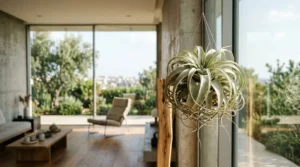
Air circulation is just as vital as light and water for air plants. Remember, they absorb nutrients and moisture from the air, and good airflow helps them dry properly after watering, preventing fungal issues and rot. Placing them in enclosed, stagnant spaces like sealed terrariums is a common mistake.
- The Fix: Display your air plants in open environments. Think shelves, hanging planters, or open terrariums with plenty of ventilation. Avoid placing them in tight, enclosed spaces that trap humidity and prevent drying.
Neglecting Basic Needs: The Hidden Dangers
Mistake 7: Forgetting to Fertilize
Many plant parents don’t realize air plants benefit from occasional fertilization. While they don’t need much, a little boost can encourage healthier growth, more vibrant blooms, and the production of pups (baby air plants).
- The Fix: Use a specialized bromeliad or air plant fertilizer, or a highly diluted balanced liquid fertilizer (e.g., 1/4 strength of a 10-10-10 formula). Apply it once a month during their active growing season (spring and summer) by adding it to their soak water.
Mistake 8: Ignoring Signs of Distress
Air plants are communicative, but you need to learn their language. Curling leaves, brown tips, or a mushy base are all signals that something is wrong. Ignoring these early warning signs often leads to irreversible damage.
- The Fix: Pay attention! Crispy or tightly curled leaves usually mean underwatering or too much sun. Brown or mushy bases point to overwatering and rot. Yellowing leaves can indicate either too much sun or too much water. Adjust your routine promptly based on what your plant is telling you.
- For example: Imagine you notice your Tillandsia ionantha‘s tips turning brown and crispy. What would you do? Instead of just misting more, you’d immediately think “underwatered or too much sun” and check its light exposure and soak frequency.
Mistake 9: Not Removing Dead Leaves or Pups at the Right Time
While air plants are relatively clean, old, brown, or dead outer leaves should be removed. They can harbor pests or simply detract from the plant’s beauty. Similarly, knowing when to separate pups is key for propagation.
- The Fix: Gently pull off any completely brown, dry outer leaves. If they don’t come off easily, leave them. For pups, wait until they are at least one-third to one-half the size of the mother plant. This ensures they have enough energy and resources to survive independently.
Display & Environment Traps: More Than Just Decoration
Mistake 10: Displaying in a Sealed Container or Copper Wire
While decorative, sealed glass terrariums without ventilation are a death trap for air plants. They trap humidity and prevent air circulation, leading to rot. Another less common but equally fatal mistake is displaying them on copper wire or in copper containers. Copper is toxic to air plants.
- The Fix: Always use open containers, driftwood, ceramic, or non-toxic wires (like stainless steel). If using glass, ensure it has large openings for airflow. Air plants are beautiful on their own, on natural materials like bark, or simply sitting on a shelf.
Your Quick “What to Do This Week” Takeaway
So, what’s the immediate action plan? This week, take a moment to assess your air plants. Give them a good, long soak in filtered water, then ensure they dry completely upside down in a well-ventilated spot. Check their light exposure—is it bright but indirect? If you’ve been making any of these mistakes, making these simple adjustments will set your air plants on the path to vibrant health.
Air plants, like all living things, thrive with consistent and appropriate care. By understanding and avoiding these common pitfalls, you’re not just preventing problems—you’re actively setting up your Tillandsias for success. You’ll be amazed at how resilient and rewarding these unique plants can be when given the right conditions. Happy growing!
Frequently Asked Questions
What is the most common mistake people make when caring for air plants?
The most common mistake is not watering enough or relying solely on misting. Air plants need regular, thorough watering, and misting provides temporary surface moisture but rarely hydrates the plant sufficiently. To fix this, give your air plants a good soak in room-temperature water for 20-60 minutes every 1-2 weeks.
How can I prevent rot from occurring in my air plants?
To prevent rot, it's essential to dry your air plants thoroughly after watering. Gently shake off excess water, then place your air plant upside down on a towel in a well-ventilated area. Allow it to dry completely, which can take anywhere from 1 to 4 hours, depending on the plant's size and air circulation. Ensure no water remains in the crevices before returning it to its display.
What type of water is best for air plants?
The best type of water for air plants is rainwater, distilled water, or filtered water. Tap water can contain chlorine, chloramines, and high mineral content, which can build up on the plant's trichomes and inhibit their ability to absorb moisture. If you must use tap water, let it sit out for 24 hours to allow chlorine to dissipate, and avoid softened water as it often contains high sodium levels harmful to air plants.
Can air plants thrive in direct sunlight?
While air plants love bright light, direct, intense sunlight, especially through a window, can be too much for them. Imagine being trapped under a magnifying glass – that's what a south or west-facing window can feel like for your delicate Tillandsia. It can cause damage to the plant, so it's best to provide bright, indirect light for optimal growth.
How often should I water my air plants in hot, dry environments?
In hot, dry environments, it's essential to water your air plants more frequently. Weekly soaks are a must to keep your air plants hydrated and thriving. However, in humid areas, you might stretch the watering frequency to every 10-14 days. Adjust the frequency based on your climate to ensure your air plants receive the right amount of moisture.