Shape Up Your Houseplants: The Beginner’s Guide to Pruning for Bushier Growth

Introduction to Pruning: Why It Matters
Imagine walking into a room filled with lush, vibrant houseplants that seem to thrive with minimal care. But what would you do in this situation: your once-full plant is now leggy and sparse, with long stems and few leaves? This is where pruning comes in – a simple yet powerful technique to shape and maintain your houseplants. In my opinion, pruning is an essential skill for any houseplant enthusiast, as it can make all the difference in achieving bushier growth and a healthier plant.
Table Of Content
Pruning involves cutting or removing certain parts of the plant to control its shape, promote healthy growth, and encourage fruiting or flowering. But what exactly does pruning entail, and how do you get started? Let’s break it down step by step. Pruning is not just about cutting off dead or dying leaves; it’s an art that requires some knowledge and practice to master.
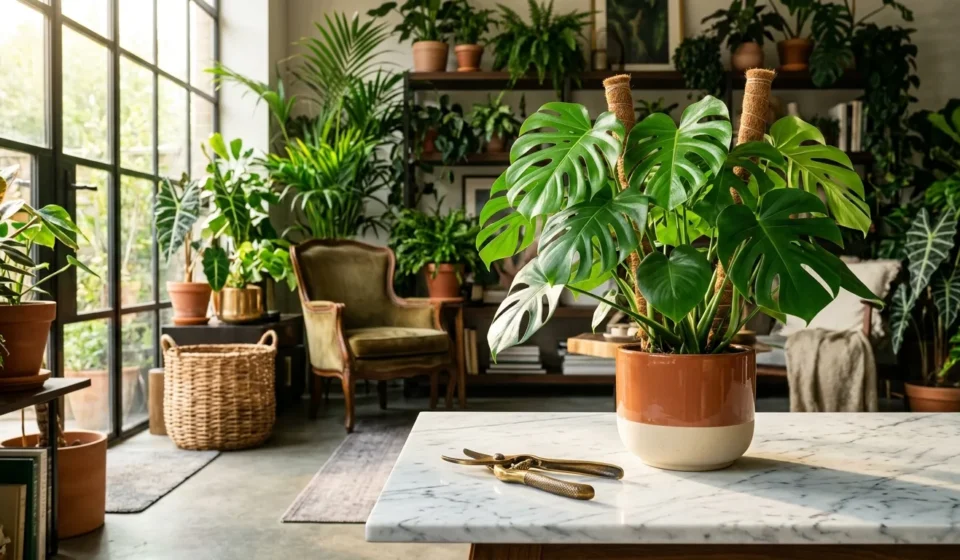
For example, imagine this situation: you’ve just brought home a beautiful Monstera deliciosa with stunning, holey leaves. As it grows, you notice that the stems are becoming leggy, and the leaves are fewer and farther between. By pruning your Monstera, you can encourage it to produce more stems and leaves, resulting in a fuller, more robust plant.
Understanding Pruning Techniques
Pinching, Cutting, and Thinning: What’s the Difference?
There are several pruning techniques to master, each with its own purpose and benefits. Pinching, for instance, involves removing the top set of leaves from a stem to encourage branching. This technique is perfect for plants like the ZZ Plant or Snake Plant ‘Laurentii’, which can become leggy if left unpruned. Cutting, on the other hand, involves removing entire stems or sections of the plant to control its shape or promote new growth. Thinning, as the name suggests, involves removing select leaves or stems to allow more light to reach the rest of the plant.
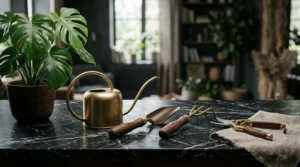
When it comes to pruning, it’s essential to use the right tools for the job. A pair of clean, sharp scissors or pruning shears is a must-have for any houseplant enthusiast. Honestly, I’ve found that using dull or dirty tools can do more harm than good, so make sure to invest in a good pair and keep them clean and well-maintained.
Now, let’s talk about the best time to prune. The ideal time to prune your houseplants depends on the plant species and its growth cycle. As a general rule, it’s best to prune during the growing season (spring and summer) when the plant is actively producing new growth. This allows the plant to recover quickly and produce new stems and leaves.
Pruning for Bushier Growth: Tips and Tricks
Identifying the Right Plants for Pruning
Not all houseplants respond well to pruning, so it’s essential to identify the right plants for the job. Plants like the Pothos, Philodendron, and Dracaena are perfect candidates for pruning, as they can become leggy if left unpruned. On the other hand, plants like the Calathea orbifolia or the Prayer Plant prefer to be left alone, as they can be sensitive to pruning.
When pruning for bushier growth, it’s essential to prune in the right direction. Always cut or pinch stems at a 45-degree angle, just above a node (the point where a leaf meets the stem). This encourages the plant to produce new stems and leaves, resulting in a fuller, more robust plant.
To be fair, pruning can seem intimidating at first, especially if you’re new to houseplants. But with practice and patience, you’ll become more confident and skilled at pruning. Here are some additional tips to keep in mind:
- Prune in small increments, taking care not to remove too much of the plant at once.
- Use a well-balanced fertilizer to promote healthy growth and encourage new stems and leaves.
- Monitor your plant’s response to pruning, adjusting your technique as needed.
Common Mistakes to Avoid
One of the most common mistakes houseplant enthusiasts make when pruning is over-pruning. This can cause stress to the plant, leading to disease or pest issues. To avoid over-pruning, it’s essential to prune in small increments, taking care not to remove too much of the plant at once.
Another common mistake is pruning at the wrong time. Pruning during the dormant season (fall and winter) can cause the plant to become stressed, leading to poor growth or even death. By pruning during the growing season, you can minimize stress and encourage healthy growth.
But what would you do in this situation: you’ve pruned your plant, and it’s not responding as expected? Don’t panic! This is a normal part of the pruning process, and with patience and proper care, your plant will recover and thrive.
Conclusion: Getting Started with Pruning
So far, we’ve covered the basics of pruning, including techniques, tools, and tips for achieving bushier growth. Now, let’s get to the really critical point: getting started. Pruning is an art that requires practice and patience, but with the right techniques and tools, you can transform your houseplants and create a stunning indoor space.
In my opinion, the key to successful pruning is to start small and be patient. Don’t be afraid to experiment and try new things – after all, that’s what gardening is all about. With time and practice, you’ll become more confident and skilled at pruning, and your houseplants will thank you.
What to do this week: take a closer look at your houseplants and identify areas where pruning can help. Start with small, gentle pruning cuts, and monitor your plant’s response. Remember to prune in the right direction, and don’t be afraid to ask for help or advice along the way. Happy pruning, and happy gardening!