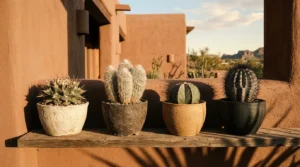
Cactus Care 101: Keeping Your Spiky Friends Happy and Healthy Indoors

Embrace the Spikes: Your Easy Guide to Thriving Indoor Cacti
Often misunderstood as indestructible, cacti are actually incredibly rewarding houseplants once you learn their simple secrets. They bring unique textures and architectural beauty to any space, and with the right care, some will even surprise you with stunning blooms! If you’ve ever felt intimidated by their prickly nature or wondered why your cactus isn’t quite flourishing, you’re in the right place. Forget complicated routines; we’re here to make easy houseplant care a reality for your spiky companions.
Table Of Content
- Embrace the Spikes: Your Easy Guide to Thriving Indoor Cacti
- The Golden Rule of Cactus Care: Light, Light, Light!
- Understanding “Bright Indirect” vs. “Direct”
- Mastering the Art of Watering Your Cactus
- The “Soak and Dry” Method
- When Not to Water
- The Perfect Home: Soil & Pots for Thriving Cacti
- Crafting the Ideal Cactus Mix
- The Importance of Drainage Holes
- Feeding, Repotting, and Keeping Pests Away
- A Little Food Goes a Long Way
- When and How to Repot
- Common Pests and Simple Solutions
- Common Mistakes to Avoid for Cactus Success
- Your Quick “What to Do This Week” Takeaway
In this comprehensive guide, I’ll walk you through everything you need to know to transform your cacti from struggling survivors into flourishing specimens. From understanding their unique light needs to mastering the art of watering, we’ll cover it all. Let’s dig in and get those cacti thriving!
The Golden Rule of Cactus Care: Light, Light, Light!
Cacti are desert dwellers, and that means they crave sunlight. This is arguably the most critical factor for their indoor success. Most cacti need a significant amount of bright light to thrive and maintain their characteristic shape. Without enough light, they can become etiolated – a fancy word for stretching out and becoming leggy, weak, and pale as they desperately search for more light. This isn’t just unsightly; it weakens the plant structurally.
Aim for a spot that receives at least 6-8 hours of direct sunlight per day. A south-facing window is often ideal for this, providing the intense light many cacti adore. East or west-facing windows can also work, especially if the light isn’t obstructed by trees or buildings. If natural light is scarce, don’t despair! High-quality grow lights are a fantastic solution, ensuring your cacti get the intensity they need, especially during darker winter months or in apartments with less natural light. Rotate your cactus every few weeks to ensure all sides get even light exposure, preventing uneven growth.
Understanding “Bright Indirect” vs. “Direct”
While some tropical houseplants prefer “bright indirect light” (think a bright room but not direct sun rays hitting the leaves), most desert cacti are different. They want that direct sun! Imagine them in their natural habitat, exposed to the full force of the sun for hours on end. However, if you’re introducing a cactus from a shadier nursery spot to a very sunny window, acclimate it gradually over a week or two to prevent sunburn, which can appear as bleached or brown spots. For example, if you just bought a new Mammillaria cactus, don’t immediately plop it into a scorching south-facing window; start it a few feet back and move it closer over a week.
Mastering the Art of Watering Your Cactus
Honestly, the biggest killer of indoor cacti is almost always overwatering. It’s a common mistake, even for seasoned plant parents, because our instincts tell us to water regularly. But cacti are built to store water and endure long dry spells. Their roots are highly susceptible to rot if left sitting in damp soil.
So, how often should you actually water? The golden rule for cacti is to always let the soil dry out completely between waterings. And I mean completely dry. You can use a moisture meter, but my go-to method is simply sticking my finger about 2-3 inches into the soil. If it feels even slightly damp, wait. For smaller pots, you can even lift the pot to feel its weight; a dry pot will be noticeably lighter.
The “Soak and Dry” Method
When it is time to water, do so thoroughly. This is called the “soak and dry” method. Pour water slowly over the soil until it drains freely from the bottom of the pot. Ensure the entire soil ball gets saturated. Then, and this is crucial, empty any standing water from the saucer immediately. Do not let your cactus sit in a puddle. During the active growing season (spring and summer), this might mean watering every 2-4 weeks, depending on light, temperature, and pot size. In my experience, a good thorough soak every 3 weeks in summer for a medium-sized cactus in a terracotta pot works well in a sunny spot.
When Not to Water
Cacti enter a period of dormancy during the colder, darker months (fall and winter). During this time, they need significantly less water, sometimes only once a month or even less. The goal is simply to prevent the plant from shriveling completely. Overwatering during dormancy is almost a guaranteed way to induce root rot. What would you do in this situation if your cactus looks a bit deflated in winter? Resist the urge to water heavily; a tiny sip might be all it needs, or perhaps none at all if the soil is still retaining moisture.
The Perfect Home: Soil & Pots for Thriving Cacti
Just as important as light and water is the environment your cactus calls home. The right soil mix and pot are non-negotiable for healthy root development and preventing rot.
Crafting the Ideal Cactus Mix
Standard potting soil holds too much moisture for cacti, leading to inevitable problems. You need a mix that drains quickly and provides excellent aeration. While you can buy pre-made cactus and succulent potting mix, I often recommend amending it for even better drainage. A great DIY recipe I often use is: 50% regular potting mix (high-quality, peat-based) + 30% perlite or pumice + 20% coarse sand or fine gravel. Perlite and pumice are volcanic materials that add porosity and improve drainage. The coarse sand adds weight and further enhances drainage. This blend ensures water rushes through, leaving just enough moisture for the roots without suffocating them.
The Importance of Drainage Holes
This might seem obvious, but it’s worth repeating: your cactus pot MUST have a drainage hole. I believe this is such a critical point that it bears emphasizing. Pots without drainage holes are a recipe for disaster, no matter how careful you are with watering. Terracotta pots are often my top choice for cacti because their porous nature allows excess moisture to evaporate from the sides of the pot, promoting faster drying of the soil. While plastic pots can work, they retain more moisture, so you’ll need to be even more vigilant with your watering schedule.
Feeding, Repotting, and Keeping Pests Away
Beyond the basics, a little extra attention to feeding, timely repotting, and pest vigilance will keep your cacti looking their best.
A Little Food Goes a Long Way
Cacti aren’t heavy feeders, but they do benefit from a little nutrient boost during their active growing season (spring and summer). Use a specialized cactus or succulent fertilizer, which typically has a lower nitrogen content (e.g., a balanced NPK ratio like 5-10-5 or 10-10-10, but always check the label for specific cactus formulations). Dilute it to half or even quarter strength, and apply it every 4-6 weeks during the growing season. Over-fertilizing can lead to leggy growth or root burn, so err on the side of less. Skip fertilization entirely during fall and winter when the plant is dormant.
When and How to Repot
Cacti are slow growers and generally don’t mind being a bit root-bound, so they don’t need frequent repotting. You’ll know it’s time when roots start escaping the drainage holes, or the plant has significantly outgrown its pot, becoming top-heavy. This usually happens every 2-3 years. The best time to repot is in spring or early summer. When repotting, choose a pot only one size larger than the current one. Use thick gloves, folded newspaper, or even tongs to handle your spiky friend to avoid painful encounters. After repotting, wait about a week before watering to allow any disturbed roots to heal, preventing potential rot.
Common Pests and Simple Solutions
Even tough cacti can fall victim to common houseplant pests. The most frequent culprits are mealybugs, which look like tiny white cottony masses, and spider mites, often indicated by fine webbing and tiny specks on the plant. Inspect your cacti regularly, especially in crevices and along the spines. If you spot pests, isolate the plant immediately. For small infestations, a cotton swab dipped in rubbing alcohol can effectively wipe away mealybugs. For larger issues, a good quality neem oil spray (diluted according to package directions) applied every 7-10 days for a few weeks can be very effective and is safe for most plants. Remember to apply neem oil in the evening or a shaded area to avoid leaf burn in direct sunlight.
Common Mistakes to Avoid for Cactus Success
Based on my experience, most cactus problems stem from a few common errors. First, overwatering, as we’ve discussed, is the prime suspect for mushy, rotting cacti. Second, insufficient light leads to etiolation, making your cactus weak and leggy. Third, using the wrong soil mix that retains too much moisture. Fourth, watering during dormancy, which is a big no-no. Lastly, choosing a pot without drainage ensures failure. By avoiding these pitfalls, you’re already 90% of the way to a happy, healthy cactus!
Your Quick “What to Do This Week” Takeaway
This week, check your cacti! First, inspect their location: are they getting at least 6 hours of direct sun? If not, move them to a brighter spot or consider a grow light. Second, feel their soil: is it bone dry? If so, give them a thorough soak using the “soak and dry” method, ensuring all excess water drains out. If it’s still damp, wait! Simple, actionable steps make all the difference.
Cacti are truly remarkable plants that offer enduring beauty with minimal fuss, once you understand their specific needs. By providing plenty of light, mastering the art of infrequent watering, using the right soil, and giving them a little seasonal care, you’ll be rewarded with resilient, fascinating, and sometimes surprisingly beautiful plants that thrive in your home. Go on, embrace the spikes, and enjoy the unique charm your cacti bring to your indoor jungle!