Essential Plant Tools for Happy Houseplants

Introduction to Plant Parenting
As a new houseplant parent, it’s natural to feel overwhelmed by the numerous options and advice available. But what would you do in this situation: you’ve just brought home your first houseplant, and you’re not sure where to start? Honestly, I’ve been there too. Based on my experience, having the right plant tools can make all the difference. In my opinion, investing in a few essential tools can help you provide the best care for your plants and ensure they thrive.
Table Of Content
For example, imagine this situation: you’re trying to water your plants, but the water keeps spilling over the edges of the pot. A watering can with a long spout can be a game-changer in this situation. It allows you to water your plants precisely and efficiently, without making a mess. Let me add something here: it’s not just about the tools themselves, but also about how you use them. Understanding the basics of houseplant care and using the right tools can help you avoid common mistakes and keep your plants happy.
Must-Have Plant Tools
So, what are the must-have plant tools for every new houseplant parent? Here are a few essentials to get you started:
- A moisture meter to check the soil moisture levels
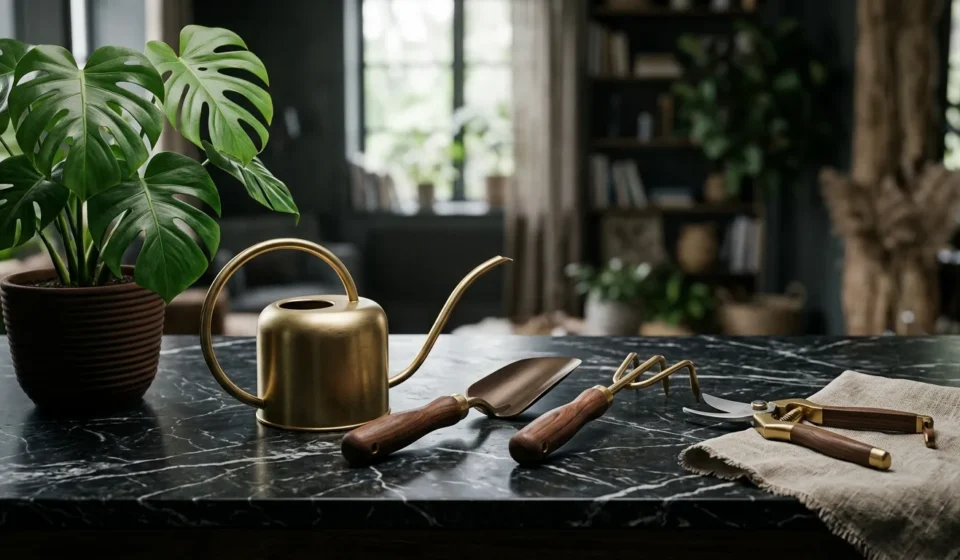
- A watering can with a long spout for precise watering
- A pruning tool set for trimming and shaping your plants
- A potting mix specifically designed for indoor plants
- A fertilizer to provide essential nutrients for your plants
Using Your Plant Tools Effectively
Now that you have the essential plant tools, it’s time to learn how to use them effectively. But what would you do in this situation: you’re not sure how often to water your plants? Honestly, it’s a common mistake to overwater or underwater your plants. To avoid this, use your moisture meter to check the soil moisture levels. If the soil feels dry to the touch, it’s time to water. If it’s already moist, wait a few more days before watering again.
In my opinion, fertilizing your plants is also crucial for their growth and health. Use a balanced fertilizer (10-10-10) during the growing season (spring and summer) to provide essential nutrients for your plants. Dilute the fertilizer to half the recommended strength to avoid burning your plant’s roots. Let me add something here: it’s also important to choose the right potting mix for your plants. A well-draining potting mix can help prevent waterlogged soil and root rot.
Tips and Tricks
Here are a few tips and tricks to keep in mind when using your plant tools:
- Use room temperature water to water your plants, as cold water can shock the roots
- Avoid getting water on the leaves to prevent fungal diseases
- Repot your plants in the spring or summer when they’re actively growing
- Prune your plants regularly to maintain their shape and promote healthy growth
Common Mistakes to Avoid
As a new houseplant parent, it’s easy to make mistakes. But what would you do in this situation: you’ve just noticed that your plant’s leaves are turning yellow? Honestly, it’s a common mistake to overwater or underwater your plants, which can cause yellowing leaves. To avoid this, check the soil moisture levels regularly and adjust your watering schedule accordingly.
In my opinion, another common mistake is not providing enough light for your plants. Most houseplants require bright indirect light to photosynthesize and grow. Place your plants near a sunny window or use grow lights to supplement the natural light. Let me add something here: it’s also important to avoid extreme temperatures and drafts, which can cause stress to your plants.
Conclusion and Next Steps
So far we’ve covered the must-have plant tools and how to use them effectively. Now it’s time to take action and start using these tools to care for your houseplants. Remember, houseplant care is all about providing the right conditions for your plants to thrive. By using the right tools and following these tips and tricks, you can become a successful plant parent and enjoy the many benefits of indoor gardening.
To be fair, it’s not always easy to keep your houseplants happy and healthy. But with the right tools and a little practice, you can become a pro in no time. So, what are you waiting for? Start using your plant tools today and watch your houseplants flourish.