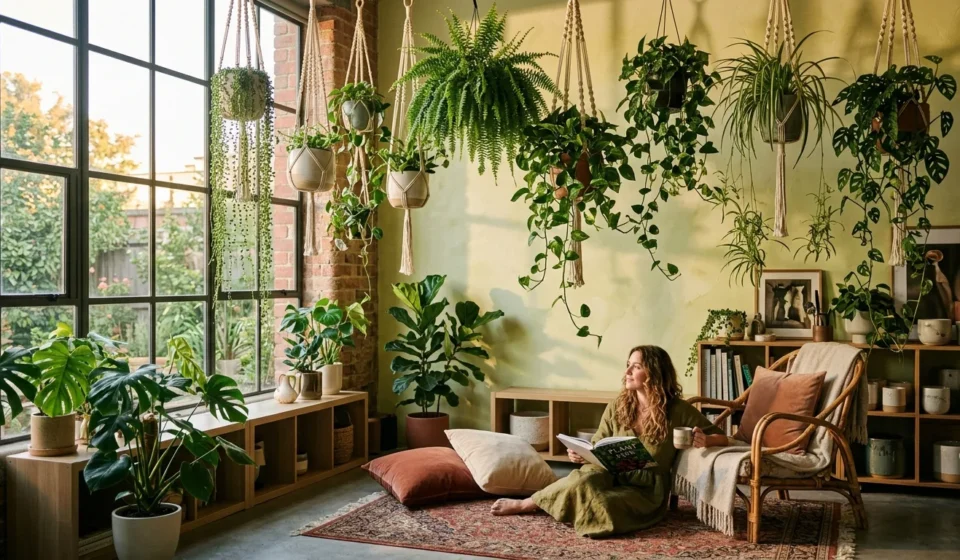
Mastering Hanging Plant Care: Secrets to Lush, Cascading Greenery

There’s something truly magical about a thriving hanging plant, isn’t there? It adds immediate dimension, a touch of living art that drapes elegantly, transforming any corner from ordinary to enchanting. But let’s be honest: keeping those aerial beauties happy and healthy can sometimes feel like a different ballgame compared to your potted plants on a shelf. They’re up in the air, often harder to reach, and their unique position impacts everything from watering to light. Don’t worry, though! As an experienced indoor gardener, I’ve learned a few tricks over the years, and I’m here to share the simple, actionable steps that will ensure your hanging plants aren’t just surviving, but absolutely flourishing.
Table Of Content
- Choosing the Right Spot: Light & Location are Key
- Understanding Light Needs for Your Dangling Beauties
- The Best Locations for Hanging Plants
- The Art of Watering Hanging Plants
- Why Hanging Plants Dry Out Faster
- My Tried-and-True Watering Method
- Dealing with Drainage
- Feeding, Pruning, and Repotting: Maintaining Vibrancy
- Fertilizing for Growth
- Pruning for Fullness
- When and How to Repot
- Troubleshooting Common Hanging Plant Problems
- Dry, Crispy Leaves
- Yellowing Leaves or Stunted Growth
- Pests
- Quick “What to Do This Week” Takeaway
Choosing the Right Spot: Light & Location are Key
Just like real estate, location is everything for your hanging plants. The biggest mistake I see plant parents make is hanging a plant purely for aesthetic reasons, without considering its individual light requirements. Your plant might look stunning in that dimly lit corner, but it certainly won’t thrive there if it’s a sun-lover.
Understanding Light Needs for Your Dangling Beauties
Most popular hanging plants prefer bright, indirect light. This means a spot near a window that gets plenty of light, but where the sun’s rays don’t directly hit the leaves for extended periods. Think of it like a bright, overcast day – plenty of illumination without harsh sun scorching. Plants like Pothos (Epipremnum aureum), Philodendron (Philodendron hederaceum), and Spider Plants (Chlorophytum comosum) are incredibly forgiving and can tolerate medium light conditions too, making them perfect for many apartment setups. On the other hand, a Boston Fern (Nephrolepis exaltata) will demand consistent bright, indirect light and higher humidity to prevent its delicate fronds from crisping.
For example, imagine you have a lovely trailing Hoya (Hoya carnosa) that you hang in a north-facing window. It might get enough light to survive, but if you want those beautiful, fragrant blooms, you might need to move it to an east or west-facing window where it gets a few hours of gentler direct sun in the morning or late afternoon. Always research your specific plant’s needs!
The Best Locations for Hanging Plants
When selecting a spot, consider not just the light, but also air circulation and temperature. Hanging plants often experience slightly warmer, drier air than those closer to the ground, which means they might dry out faster (more on this in the next section!). Kitchens and bathrooms can be excellent spots for humidity-loving plants like ferns, provided they get adequate light. For most other plants, a well-lit living room or bedroom corner away from direct drafts from vents or open doors is ideal.
The Art of Watering Hanging Plants
Watering is arguably the most critical aspect of houseplant care, and it becomes even more nuanced with hanging plants. Overwatering is a common killer, but underwatering can also quickly lead to a sad, crispy plant.
Why Hanging Plants Dry Out Faster
Here’s a little secret based on my experience: hanging plants tend to dry out quicker than their counterparts on shelves or floors. Why? They’re often exposed to more air circulation from all sides, and their pots are generally smaller, holding less soil volume. This means less moisture retention. What would you do in this situation? The key is consistent monitoring.
My Tried-and-True Watering Method
Forget rigid schedules like “water every 7 days.” Instead, adopt the “feel the soil” method. For most hanging plants, water when the top 1-2 inches of soil feel dry to the touch. You can use your finger or, for more accuracy, a moisture meter (a simple, inexpensive tool that’s a game-changer for beginners!). When it’s time to water, take the plant down, place it in a sink or a large bowl, and give it a thorough soak until water drains freely from the bottom of the pot. Let it sit for 10-15 minutes to fully drain any excess before hanging it back up. This prevents root rot.
- Tip for hard-to-reach plants: Consider a watering can with a long, narrow spout to make reaching the soil easier without spilling.
- Self-watering options: For busy plant parents, self-watering pots or even a simple olla (a porous clay pot buried in the soil that slowly releases water) can be excellent solutions for some hanging plants, reducing the frequency of manual watering.
Dealing with Drainage
This is non-negotiable: your hanging pot must have drainage holes. Without them, water collects at the bottom, suffocating roots and leading to inevitable rot. If your decorative hanger doesn’t have holes, plant in a nursery pot with drainage and then place that pot inside the decorative one. For soil, a standard well-draining potting mix is essential. I often mix 50% good quality potting mix with 30% perlite and 20% orchid bark or coco coir for my aroids (like Pothos and Philodendron) to ensure optimal aeration and drainage.
Feeding, Pruning, and Repotting: Maintaining Vibrancy
Beyond water and light, these routine maintenance tasks are crucial for encouraging lush growth and preventing your hanging plants from becoming leggy or root-bound.
Fertilizing for Growth
Hanging plants, especially those in smaller pots, quickly deplete nutrients from their soil. During the active growing season (spring and summer), I recommend fertilizing every 4-6 weeks with a balanced liquid fertilizer (like a 10-10-10 or 20-20-20, diluted to half strength). Hold off on fertilizing during the dormant fall and winter months when plant growth naturally slows down.
Pruning for Fullness
If you want a bushy, full hanging plant rather than long, straggly vines, pruning is your best friend. Don’t be afraid to snip! Regular pruning encourages new growth from the nodes, leading to a denser plant. For trailing plants like Pothos or String of Hearts (Ceropegia woodii), simply snip off the ends of the longest vines. You can often propagate these cuttings in water or soil to make new plants or even tuck them back into the main pot to add to the fullness!
When and How to Repot
Hanging plants will eventually outgrow their pots. Signs it’s time to repot include roots growing out of the drainage holes, water running straight through the pot (meaning the soil is too compacted or there are more roots than soil), or stunted growth despite proper care. Repot typically every 1-2 years, moving up to a pot that’s just one size larger (e.g., from a 6-inch to an 8-inch pot). Repotting can be a bit trickier with hanging plants due to their delicate vines, so I often find it easier to do this while the plant is resting on a sturdy surface. Gently loosen the root ball, place it in the new pot with fresh soil, and water thoroughly.
Troubleshooting Common Hanging Plant Problems
Even with the best intentions, plants sometimes throw us a curveball. Here are quick fixes for common issues.
Dry, Crispy Leaves
This is almost always a sign of underwatering or low humidity. Check your watering routine: are you soaking thoroughly? Is the soil drying out too quickly? Consider misting regularly, especially for plants like ferns, or placing a humidifier nearby.
Yellowing Leaves or Stunted Growth
Yellowing leaves can indicate either overwatering (leading to root rot) or underwatering. Check the soil moisture; if it’s soggy, let it dry out more. If it’s consistently dry, increase watering frequency. Stunted growth, on the other hand, might mean the plant isn’t getting enough light, needs fertilizing, or has become root-bound and requires repotting. Honestly, a little detective work often reveals the culprit!
Pests
Pests like spider mites or mealybugs can quickly spread, especially in dry conditions. Inspect your hanging plants regularly, paying attention to the undersides of leaves. If you spot any unwelcome visitors, isolate the plant and treat it with an insecticidal soap or neem oil spray, following the product instructions.
Quick “What to Do This Week” Takeaway
- Check soil moisture: Poke your finger into the soil of each hanging plant. Water any that are dry to the touch (top 1-2 inches).
- Inspect for pests: Briefly check the leaves and stems of your plants for any signs of bugs.
- Rotate: Give your hanging plants a quarter turn to ensure even light exposure and growth.
- Mist (if needed): If you have humidity-loving plants like ferns, a quick misting will be appreciated.
- Prune (as necessary):
Keeping your hanging plants healthy and vibrant doesn’t have to be a complicated chore. By understanding their unique needs for light, mastering the art of watering, and performing a few simple maintenance tasks, you’ll be able to enjoy cascades of lush greenery that elevate your indoor space. Remember, every plant is a little different, but with these foundational tips from easyhouseplantcare.com, you’re well on your way to becoming a hanging plant master! Happy growing!