Choosing Your First Houseplant: Snake Plant, ZZ Plant, or Spider Plant?

Stepping into the wonderful world of houseplants can feel a bit overwhelming, especially with so many beautiful options out there. But what if you’re just starting out, or you’re looking for resilient, low-fuss greenery that doesn’t demand constant attention? That’s where some true superstar plants shine. We’re talking about the tried-and-true champions of easy houseplant care: the Snake Plant, the ZZ Plant, and the Spider Plant.
Table Of Content
- Meet the Contenders: A Quick Introduction
- Snake Plant (Sansevieria trifasciata)
- ZZ Plant (Zamioculcas zamiifolia)
- Spider Plant (Chlorophytum comosum)
- The Nitty-Gritty: Care Requirements Compared
- Light Needs: From Bright to Barely There
- Watering Wisdom: How to Avoid Over and Under-Watering
- Soil & Potting: Drainage is Key
- Humidity & Temperature: Standard Comfort Zones
- Fertilization: Less is More
- Propagation & Pests: Expanding Your Collection & Staying Healthy
- Propagation Pointers: Ease of Multiplying
- Common Pests & Problems: What to Watch For
- Which Plant is Right for You? Making Your Choice
- When to Choose a Snake Plant
- When to Choose a ZZ Plant
- When to Choose a Spider Plant
- Common Mistakes to Avoid
- Quick “What to Do This Week” Takeaway
These three are often recommended for beginners, and for good reason. They’re forgiving, adaptable, and incredibly rewarding. But how do you choose between them? Each has its own unique charm and specific needs, even if they’re all considered “easy.” Let’s break down everything you need to know to pick your perfect green companion for a thriving indoor space, whether it’s a cozy apartment corner or a bustling office desk.
Meet the Contenders: A Quick Introduction
Before we dive into the nitty-gritty of care, let’s get acquainted with our three green heroes. Understanding their basic personality will give you a head start.
Snake Plant (Sansevieria trifasciata)
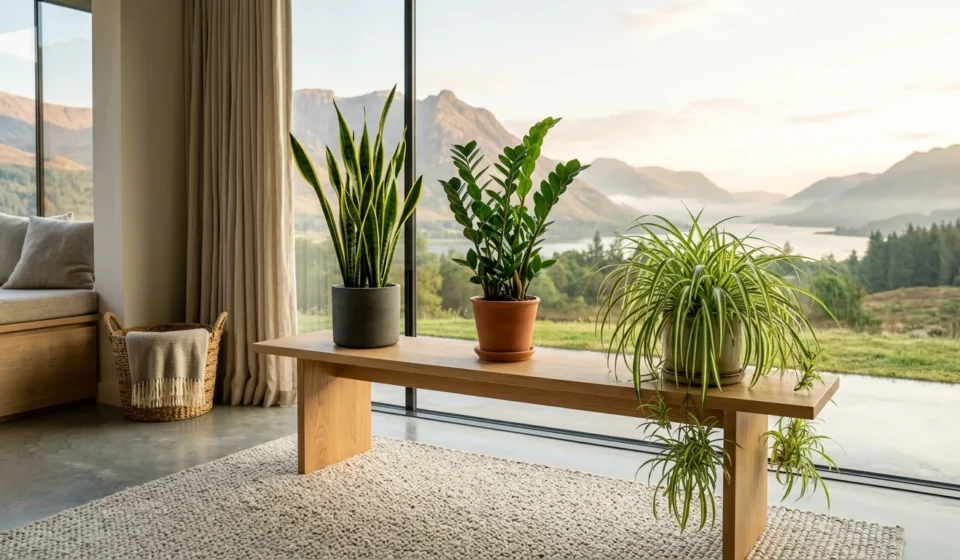
The Snake Plant, also known as Mother-in-Law’s Tongue, is renowned for its striking, upright sword-like leaves that come in various patterns and shades of green, often variegated with yellow or white margins. Varieties like the ‘Laurentii’ with its yellow edges or the dark green ‘Black Coral’ are incredibly popular. Beyond its architectural beauty, this plant is famous for its incredible resilience and air-purifying qualities. It’s a true set-it-and-forget-it plant.
ZZ Plant (Zamioculcas zamiifolia)
With its glossy, dark green, waxy leaves that grow along sturdy stems, the ZZ Plant offers a sleek, modern aesthetic. Often mistaken for an artificial plant due to its perfect appearance, the ZZ Plant is arguably the most drought-tolerant houseplant you can find. It stores water in its thick rhizomes (underground stems) and leaves, making it almost impervious to neglect. If you’re someone who frequently forgets to water, this plant might be your soulmate.
Spider Plant (Chlorophytum comosum)
The classic Spider Plant is a timeless favorite, instantly recognizable by its arching, variegated leaves and the adorable “spiderettes” or plantlets that dangle from its mature foliage. These plantlets make it incredibly easy to propagate, allowing you to quickly expand your green family or share with friends. It has a cheerful, retro vibe and is celebrated for its air-purifying capabilities, making it a wonderful addition to any home, especially if you have pets.
The Nitty-Gritty: Care Requirements Compared
So, now that we’ve met our green heroes, let’s dive into the practicalities. While all three are low-maintenance, their ideal growing conditions do vary.
Light Needs: From Bright to Barely There
Light is often the most critical factor for a plant’s health. Understanding what “bright indirect light” means is key: it’s a spot where the plant can see the sky but isn’t hit directly by harsh sunbeams, which can scorch leaves. Think of a north-facing window or a few feet away from an east or west-facing window.
- Snake Plant: This plant is incredibly adaptable. While it thrives in bright indirect light, it’s famous for tolerating low light conditions, making it perfect for dimmer corners or offices. Just know that growth will be slower in low light.
- ZZ Plant: Much like the Snake Plant, the ZZ Plant excels in medium to bright indirect light but is truly a champion of low-light tolerance. It can survive in remarkably dim spaces where other plants would simply give up.
- Spider Plant: This one prefers bright indirect light to truly flourish and produce abundant “spiderettes.” It can tolerate medium light, but too little light will result in less vibrant variegation and fewer babies. Direct, harsh sunlight should be avoided as it can burn the leaves.
Watering Wisdom: How to Avoid Over and Under-Watering
Overwatering is the number one killer of houseplants. It leads to root rot, a fungal disease that suffocates the roots. Always check the soil before watering.
- Snake Plant: A true desert dweller. Let the soil dry out completely between waterings. This often means watering only every 2-4 weeks, especially in winter. When you do water, water thoroughly until it drains from the bottom.
- ZZ Plant: The ultimate drought survivor. Water even less frequently than a Snake Plant – only when the soil is bone dry, which could be every 3-6 weeks, or even longer in cooler, darker conditions. Imagine this situation: you’re planning a two-week vacation. Both the Snake Plant and ZZ Plant would be perfectly happy being left alone, no worries about coming home to a wilted plant.
- Spider Plant: Unlike the other two, Spider Plants prefer more consistent moisture. Water when the top 1-2 inches of soil feel dry to the touch. This might mean every 7-10 days in warmer months, less often in winter. They don’t like soggy feet, so ensure proper drainage.
A simple finger test is usually sufficient, but a moisture meter can provide an objective reading, especially for deeper soil levels, preventing guesswork.
Soil & Potting: Drainage is Key
For all three plants, a well-draining soil mix is non-negotiable. This means a mix that allows excess water to quickly flow out, preventing roots from sitting in waterlogged conditions.
- Snake Plant & ZZ Plant: A cactus or succulent potting mix is ideal, or you can amend a standard indoor potting mix with extra perlite (30-40%) or orchid bark (20%) to improve drainage. Both prefer terra cotta pots, which allow the soil to dry out faster.
- Spider Plant: A standard high-quality indoor potting mix with added perlite (about 20-30%) for aeration works perfectly. They are less fussy about pot material but still benefit from good drainage holes.
Humidity & Temperature: Standard Comfort Zones
All three are quite adaptable to typical indoor temperatures (65-80°F / 18-27°C) and average household humidity levels. Spider Plants might appreciate slightly higher humidity, but it’s rarely a critical factor for their survival or health.
Fertilization: Less is More
These resilient plants aren’t heavy feeders. Over-fertilizing can do more harm than good.
- Snake, ZZ, & Spider Plants: Fertilize sparingly, if at all. During the growing season (spring and summer), a diluted balanced liquid fertilizer (like a 10-10-10 or 20-20-20, diluted to half or quarter strength) once every 4-6 weeks is ample. Skip fertilization entirely in fall and winter when growth slows.
Propagation & Pests: Expanding Your Collection & Staying Healthy
Part of the joy of plant parenting is multiplying your green friends. Knowing how to propagate and what pests to watch for is essential.
Propagation Pointers: Ease of Multiplying
- Snake Plant: Can be propagated from leaf cuttings placed in water or soil, though it can be a slow process, especially for variegated varieties which may lose their variegation. Division of rhizomes during repotting is faster and retains variegation.
- ZZ Plant: Also slow to propagate. Stem cuttings can be rooted in water or soil, but it takes patience for the rhizomes to form. Division of the rhizome is the quickest method. Honestly, this plant isn’t about rapid propagation.
- Spider Plant: The undisputed champion of easy propagation! Simply snip off the “spiderettes” (plantlets) that form on mature plants and place them in water or directly into moist soil. They root incredibly quickly, often within a week or two. This is one of the most rewarding aspects of owning a Spider Plant, in my opinion.
Common Pests & Problems: What to Watch For
All three plants are generally robust and pest-resistant, but no plant is entirely immune. Common houseplant pests like mealybugs, spider mites, or scale can sometimes appear, especially if the plant is stressed or kept in suboptimal conditions.
- General Prevention: Inspect your plants regularly, especially new additions. Good airflow helps.
- Treatment: For most pests, a gentle wipe with rubbing alcohol on a cotton swab or a spray with a diluted neem oil solution can effectively manage infestations.
- Specific Issues: Overwatering is the most common problem for Snake and ZZ Plants, leading to mushy stems or yellowing leaves. Brown tips on Spider Plants can indicate low humidity or fluoride in tap water (try filtered water).
Which Plant is Right for You? Making Your Choice
Now that you have all the facts, which one should you choose? It really comes down to your lifestyle, your space, and what you’re hoping to get out of your plant.
When to Choose a Snake Plant
- You want a striking, architectural plant that adds a modern touch.
- You have low-light areas that need some greenery.
- You’re often away or prone to forgetting to water.
- You appreciate plants known for air purification.
When to Choose a ZZ Plant
- You’re an absolute beginner looking for the most forgiving plant possible.
- Your space is quite dim, and you need a plant that truly thrives on neglect.
- You love a sleek, minimalist aesthetic with glossy, dark green foliage.
- You travel frequently and need a plant that won’t mind being left alone.
When to Choose a Spider Plant
- You want a cheerful, classic plant with a lush, full appearance.
- You enjoy the process of propagating and sharing plant babies.
- You have a brighter spot (bright indirect light) for your plant.
- You have pets and want a non-toxic option.
Common Mistakes to Avoid
The biggest mistake with Snake and ZZ Plants is overwatering. For Spider Plants, it’s often underwatering or placing them in too low light, which reduces their vibrancy and plantlet production. To be fair, consistency is key for all plants, even the easy ones.
Quick “What to Do This Week” Takeaway
This week, no matter which plant you choose, take a moment to observe it. Check the soil moisture, look for new growth, and wipe any dust off the leaves. These simple actions go a long way in keeping your easy houseplant healthy and happy!
Ultimately, all three of these plants are fantastic choices for beginners and seasoned plant parents alike who seek easy, resilient greenery. You honestly can’t go wrong with any of them. The best way to learn is by doing, so pick the one that calls to you most, bring it home, and start your rewarding journey into the world of indoor gardening with easyhouseplantcare.com!