
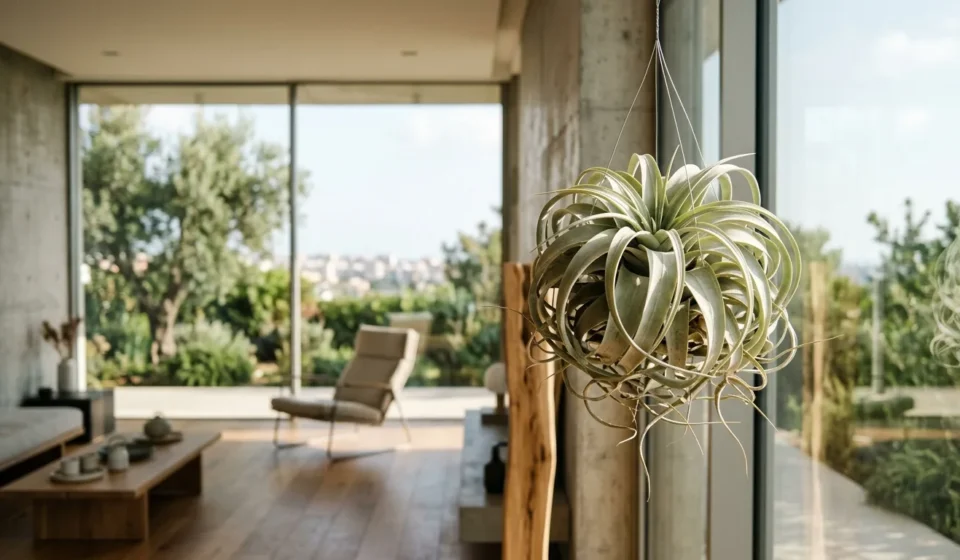
Air Plant Care Made Easy

Introduction to Air Plant Care
Imagine having a plant that can thrive without soil, a plant that can add a touch of elegance to any room with its unique, epiphytic nature. This is exactly what air plants, or Tillandsias, offer. As a houseplant expert, I’ve had my fair share of experience with these fascinating plants, and I’m excited to share my knowledge with you. For example, imagine this situation: you’ve just brought home a beautiful air plant, but you have no idea how to care for it. Where do you start?
Table Of Content
The first thing to understand about air plants is that they don’t require soil to grow. Instead, they absorb moisture and nutrients through their leaves. This makes them incredibly low-maintenance and perfect for busy people or those new to indoor gardening. But what would you do in this situation? How would you ensure your air plant is getting the right amount of water and nutrients?
In my opinion, the key to successful air plant care is understanding their specific needs. This includes providing the right amount of water, light, and nutrients. Let me add something here: air plants are not just limited to being displayed on their own; they can also be attached to rocks, driftwood, or even other plants, making them a versatile addition to any indoor space.
Watering and Humidity
Understanding Watering Needs
Watering is one of the most critical aspects of air plant care. Since they don’t have roots in soil, they need to absorb moisture through their leaves. The frequency of watering depends on the humidity and temperature of your environment. In general, you should water your air plant every 7-10 days during the spring and summer months when it’s more humid. During the drier winter months, you may need to water more frequently.
To water your air plant, simply submerge it in a bowl of water for 1-2 hours. Then, gently shake off any excess water to prevent rot. You can also mist your air plant with a water spray bottle 2-3 times a week to maintain the right level of humidity. Honestly, it’s all about finding the right balance; too much water can be just as harmful as too little.
But what would you do in this situation? What if you forgot to water your air plant and it’s starting to dry out? Don’t worry; air plants are relatively forgiving. Just make sure to water it as soon as possible and adjust your watering schedule accordingly.
Lighting and Temperature
Providing the Right Conditions
Lighting and temperature are also crucial factors in air plant care. Most air plants prefer bright indirect light, but some species can tolerate medium to low light conditions. Direct sunlight can be too intense and may cause the leaves to become discolored or scorched. In terms of temperature, air plants thrive in temperatures between 50-90°F (10-32°C).
To be fair, air plants are relatively adaptable, but they do prefer a certain level of consistency. Avoid placing them near drafty windows, air conditioning vents, or extreme temperatures. Based on my experience, a temperature range of 65-75°F (18-24°C) is ideal for most air plant species.
So far, we’ve covered the basics of watering and lighting. Now, let’s get to the really critical point: fertilization. Air plants do require some nutrients to thrive, but they don’t need much. You can use a balanced, water-soluble fertilizer (diluted to 1/4 strength) to provide your air plant with the necessary nutrients.
Fertilization and Propagation
Feeding and Multiplying Your Air Plants
Fertilizing your air plant is relatively straightforward. You can use a balanced, water-soluble fertilizer (diluted to 1/4 strength) once a month during the growing season (spring and summer). Simply add the fertilizer to the water when you’re watering your air plant. Some popular fertilizers for air plants include 10-10-10 NPK or 20-20-20 NPK.
Propagation is another exciting aspect of air plant care. Air plants produce pups or offsets that can be separated from the mother plant and grown into new individuals. To propagate your air plant, simply wait until the pups are about 1/3 to 1/2 the size of the mother plant, then gently twist them off. You can then water and care for the new plants as you would the mother plant.
Let me add something here: air plants can also be propagated through seed, but this method is less common and requires more patience. Seeds can be started in a seed tray or small pot with a well-draining seed starting mix. Keep the soil consistently moist and provide bright indirect light until the seeds germinate.
Common Mistakes and Tips
Avoiding Common Pitfalls
One of the most common mistakes people make when caring for air plants is overwatering. This can cause the plants to rot and die. To avoid this, make sure to shake off excess water after watering and check the plant’s moisture levels regularly. You can use a moisture meter to ensure the plant is not too wet or dry.
Another mistake is not providing enough light. Air plants need bright indirect light to photosynthesize and thrive. Placing them in a dark corner or room can cause them to become weak and discolored. Honestly, it’s all about finding the right balance; too much or too little of anything can be detrimental to your air plant’s health.
So, what to do this week? Take a closer look at your air plant’s watering schedule and adjust it according to the humidity and temperature of your environment. Also, consider fertilizing your air plant if it’s been a while since you last did so. By following these simple tips and avoiding common mistakes, you’ll be well on your way to becoming an air plant expert.