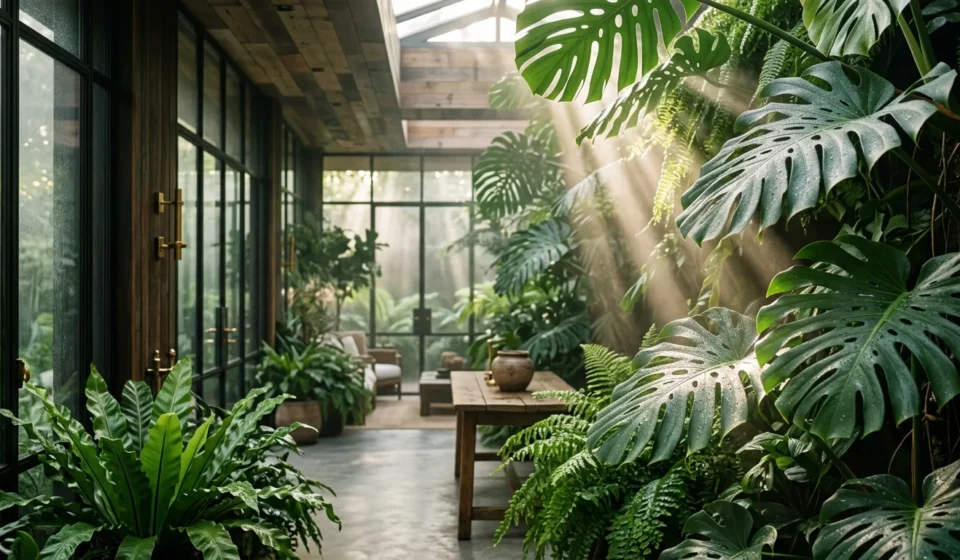
Humidity Hacks for Happy Houseplants

Introduction to Humidity Hacks
As a houseplant enthusiast, you’re probably aware that tropical plants thrive in humid environments. But what would you do in this situation: you’ve just brought home a beautiful Monstera deliciosa or a Calathea orbifolia, and your dry indoor air is causing its leaves to wilt and turn brown? Honestly, it’s a common problem many plant parents face. In my opinion, maintaining the right humidity level is crucial for keeping your tropical houseplants happy and hydrated.
Table Of Content
So, how can you create a humid microclimate for your plants without breaking the bank or turning your home into a steam room? Let me add something here: it’s easier than you think. With a few simple hacks and the right tools, you can boost the humidity around your plants and keep them thriving.
For example, imagine this situation: you live in a dry climate, and your Snake Plant ‘Laurentii’ is starting to show signs of stress. You can use a humidifier to increase the moisture levels around your plant. But what if you don’t have a humidifier? Don’t worry, we’ve got you covered.
Understanding Humidity and Houseplants
Before we dive into the hacks, let’s talk about why humidity is so important for houseplants. Tropical plants are adapted to thrive in environments with high humidity, typically between 40-70%. In these conditions, plants can absorb moisture and nutrients more efficiently, leading to healthy growth and development.
However, most indoor spaces have a much lower humidity level, usually around 20-30%. This can cause plants to suffer from dryness, leading to problems like yellowing leaves, droopy stems, and increased susceptibility to pests and diseases.
To be fair, not all houseplants require high humidity. Some plants, like ZZ Plants and Succulents, are more tolerant of dry conditions. But if you’re growing tropical plants, it’s essential to provide them with the right humidity levels.
Measuring Humidity
So, how do you know if your indoor space is too dry for your plants? You can use a hygrometer to measure the humidity level in your home. This simple tool will give you an accurate reading of the moisture levels in the air.
Once you know the humidity level, you can start implementing some humidity-boosting hacks. Here are a few ideas to get you started:
- Group your plants together to create a microclimate with higher humidity
- Place plants on a tray filled with water and pebbles to increase the surrounding moisture
- Use a humidifier to maintain a consistent humidity level
Humidity Hacks for Houseplants
Now that we’ve covered the basics, let’s get to the really critical point: implementing humidity hacks for your houseplants. Here are some actionable tips to help you boost the humidity around your plants:
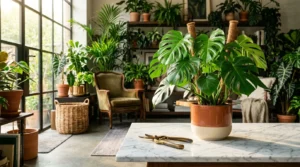
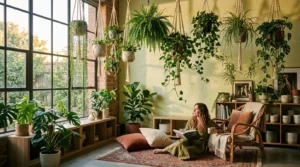
First, try grouping your plants together. This will create a microclimate with higher humidity, as the plants release moisture into the air through transpiration. You can also place plants on a tray filled with water and pebbles, which will increase the surrounding moisture as the water evaporates.
Another option is to use a humidifier. There are many types of humidifiers available, from compact, portable models to larger, whole-house systems. When choosing a humidifier, consider the size of your space and the type of plants you’re growing.
Using Humidifiers
When using a humidifier, it’s essential to maintain the right humidity level. Too much humidity can lead to mold and fungal growth, while too little may not provide enough moisture for your plants. A general rule of thumb is to keep the humidity level between 40-60% for most tropical plants.
Some popular types of humidifiers for houseplants include:
- Ultrasonic humidifiers, which use high-frequency sound waves to create a fine mist
- Evaporative humidifiers, which use a fan to blow air through a wet wick or filter
- Cool mist humidifiers, which release a cool, gentle mist into the air
Common Mistakes to Avoid
When it comes to humidity and houseplants, there are a few common mistakes to avoid. One of the most significant errors is over-humidifying, which can lead to mold and fungal growth. To avoid this, make sure to monitor the humidity level and adjust your humidifier accordingly.
Another mistake is under-humidifying, which can cause plants to suffer from dryness. If you notice your plants are wilting or developing brown tips, it may be a sign that the humidity level is too low.
So, what can you do to avoid these mistakes? Here are a few tips:
- Monitor the humidity level regularly using a hygrometer
- Adjust your humidifier to maintain the right humidity level
- Keep an eye on your plants’ condition and adjust the humidity level as needed
Conclusion and Next Steps
In conclusion, maintaining the right humidity level is crucial for keeping your tropical houseplants happy and hydrated. By understanding the importance of humidity, measuring the humidity level, and implementing humidity-boosting hacks, you can create a thriving environment for your plants.
So, what to do this week? Take a few minutes to assess the humidity level in your home and adjust your plant care routine accordingly. Whether you’re using a humidifier, grouping your plants, or placing them on a tray filled with water and pebbles, every little bit counts. Remember, with the right humidity level and a little care, your tropical houseplants will thrive and bring joy and beauty to your indoor space.