Brighten Up Your Indoors: A Beginner’s Guide to Choosing and Using Grow Lights

Ever found yourself staring at a droopy plant in a corner of your home, wishing it had more bounce, more vibrant color? Or perhaps you live in an apartment where “bright indirect light” feels like a mythical beast? You’re not alone! Many indoor plant parents face the challenge of insufficient natural light, especially during darker winter months or in north-facing rooms. But what if I told you there’s a simple, game-changing solution that can bring the sun indoors for your leafy friends? Enter the humble grow light, your secret weapon for thriving houseplants, even in the dimmest spaces.
Table Of Content
- Why Your Plants Need a Little Extra Shine: Understanding Grow Light Basics
- Decoding the Options: Types of Grow Lights for Every Budget and Plant
- LED Grow Lights: The Modern Marvels
- Fluorescent Grow Lights: The Budget-Friendly Workhorses
- Setting Up for Success: How to Use Your Grow Lights Effectively
- Placement and Distance: The Sweet Spot
- Light Duration: Consistency is Key
- Integrating with Natural Light
- Common Pitfalls and Smart Solutions
- Quick “What to Do This Week” Takeaway
Here at Easy Houseplant Care, we believe everyone deserves lush, happy plants without complicated routines. This guide will demystify grow lights, showing you exactly how to pick the right one and integrate it seamlessly into your home. Get ready to watch your plants flourish like never before!
Why Your Plants Need a Little Extra Shine: Understanding Grow Light Basics
At its core, plant growth is powered by a magical process called photosynthesis. This is where plants use light energy to convert carbon dioxide and water into food (sugars), allowing them to grow, bloom, and produce oxygen. Without enough light, this process slows down or stops, leading to weak, leggy, or even dying plants. Natural sunlight provides a full spectrum of light, but when that’s not available, grow lights step in as a fantastic substitute.
Grow lights are specifically designed to mimic the sun’s beneficial rays, providing the right kind of light for plant growth. When we talk about “right kind,” we’re talking about the light spectrum. Plants primarily use red and blue light wavelengths for photosynthesis. Red light encourages flowering and fruiting, while blue light promotes strong, bushy vegetative growth. A full-spectrum grow light provides a balance of these, often appearing white or slightly pinkish to our eyes, making them suitable for all stages of plant growth and perfect for general houseplant care.
For example, imagine this situation: You’ve got a beautiful Monstera deliciosa that loves bright, indirect light, but your living room only gets weak, filtered sun for a few hours. Without a grow light, that Monstera might start developing smaller leaves, losing its characteristic splits, or stretching towards the nearest window in a desperate attempt to find more light – a phenomenon known as etiolation. A well-placed grow light provides the consistent, quality light it needs to continue producing those stunning, fenestrated leaves.
Decoding the Options: Types of Grow Lights for Every Budget and Plant
The world of grow lights might seem overwhelming at first, with all sorts of acronyms and technical jargon. But honestly, for most houseplant enthusiasts, it boils down to just a couple of practical choices. Let’s break them down:
LED Grow Lights: The Modern Marvels
LED (Light Emitting Diode) grow lights are the undisputed champions for houseplant enthusiasts today. They are incredibly energy-efficient, have an exceptionally long lifespan (tens of thousands of hours!), and produce very little heat, which means you can place them closer to your plants without fear of scorching. Many come as full-spectrum options, providing everything your plants need from seedling to maturity. While their initial cost can be higher than other types, their efficiency and longevity make them a smart long-term investment. They’re perfect for almost any plant, from a vibrant Calathea orbifolia to a towering Fiddle Leaf Fig.
Fluorescent Grow Lights: The Budget-Friendly Workhorses
Fluorescent lights, particularly T5 and T8 varieties, are another popular choice, especially for beginners or those on a tighter budget. They are more energy-efficient than old incandescent bulbs (which, by the way, you should avoid for plant growth due to excessive heat and unsuitable spectrum) and provide a good amount of light for a reasonable price. T5 bulbs, in particular, are brighter and more efficient than T8s. These are fantastic for starting seeds, rooting cuttings (like those easy-to-propagate Pothos!), or supporting low to medium light plants. However, they aren’t as intense or long-lasting as LEDs, and they do produce more heat, meaning you’ll need to keep them a bit further from delicate foliage.
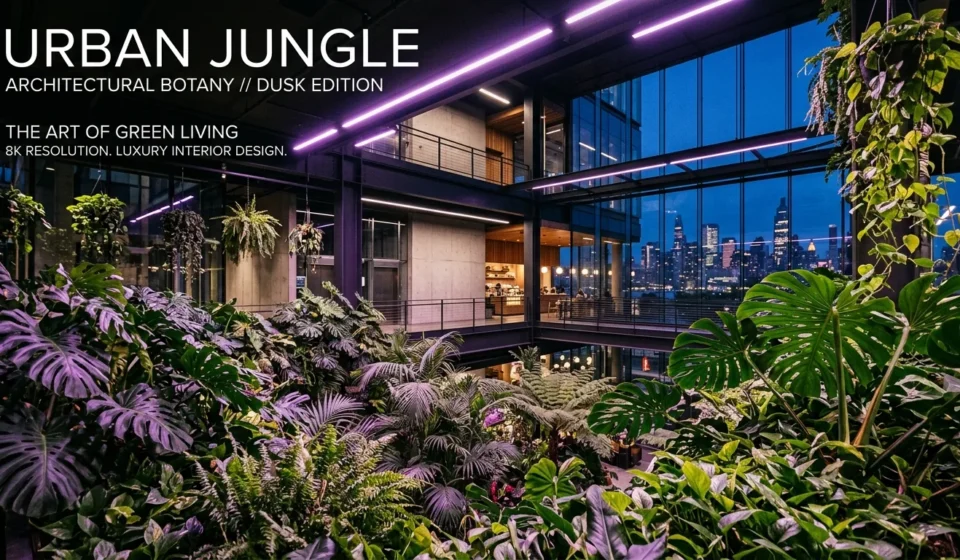
But what about those purple-hued lights you see online? Those are often targeted towards specific growth stages or commercial operations, emphasizing red and blue light. While effective, for general houseplant health and aesthetic appeal in your home, I believe full-spectrum white LED grow lights are the absolute best choice. They provide balanced light, look natural in your living space, and simplify the entire process for you.
Setting Up for Success: How to Use Your Grow Lights Effectively
Once you’ve chosen your grow light, the next step is setting it up. This isn’t rocket science, but a few key principles will ensure your plants get the most benefit.
Placement and Distance: The Sweet Spot
This is probably the most critical factor. Too far, and your plants won’t get enough light intensity; too close, and you risk scorching their leaves. A good rule of thumb for most full-spectrum LED grow lights is to position them 6-12 inches (15-30 cm) above your plant’s canopy. For less intense fluorescent lights, you might go as close as 2-4 inches (5-10 cm). Always observe your plants! If leaves start to look bleached or crispy, move the light up slightly. If they’re stretching towards the light, move it closer. Adjustable hangers or stands are incredibly useful here.
Light Duration: Consistency is Key
Plants thrive on routines, just like us. Most houseplants benefit from 12-16 hours of grow light exposure per day. This mimics the longer days of spring and summer, encouraging active growth. Using an inexpensive timer is non-negotiable here! It takes all the guesswork out of turning lights on and off, ensuring your plants get consistent “daylight” even when you’re busy or away. I personally use smart plugs for my grow lights, which makes scheduling incredibly easy.
Integrating with Natural Light
Grow lights aren’t meant to replace natural sunlight entirely if you have some available. Think of them as supplemental. If your plants get a few hours of natural light, you can adjust your grow light schedule accordingly. For instance, if your plant receives morning sun, you might set your grow light to come on in the afternoon and early evening to extend its “day.” To be fair, if you have absolutely no natural light, a full-spectrum grow light can certainly provide all the illumination your plant needs to survive and thrive.
Common Pitfalls and Smart Solutions
Even with the best intentions, it’s easy to make a few mistakes when starting with grow lights. Here are some common ones and how to avoid them:
- Forgetting a Timer: Manually turning lights on and off leads to inconsistent light cycles, stressing your plants. Solution: Invest in a simple mechanical or digital timer (they’re usually under $15!).
- Wrong Distance: Placing lights too far reduces effectiveness; too close can burn leaves. Solution: Start with the recommended distances (6-12 inches for LEDs) and adjust based on plant response. Observe for stretching (needs more light) or scorching (needs less).
- Ignoring Plant Needs: Not all plants have the same light requirements. A Snake Plant (Sansevieria), which tolerates low light, won’t need as much intense grow light as a high-light Fiddle Leaf Fig. Solution: Research your specific plant’s light preferences and adjust light intensity/duration accordingly.
- Overwatering with New Light: Plants under more intense light will typically use more water. However, it’s crucial not to simply water more frequently on a schedule. Solution: Always check the soil moisture before watering. Use a moisture meter or stick your finger 2 inches into the soil.
Quick “What to Do This Week” Takeaway
This week, identify a plant that could use a light boost. Research its ideal light needs. Then, select a full-spectrum LED grow light (a clip-on or small bar light is great for beginners!). Set it up 6-12 inches above your plant’s foliage, and put it on a timer for 14 hours a day. Watch for new growth and vibrant color!
Adding grow lights to your indoor gardening arsenal is one of the easiest and most impactful ways to elevate your plant care. It’s not about complicated setups or expensive equipment; it’s about understanding your plants’ fundamental needs and providing a consistent, reliable source of light. You’ll be amazed at the difference a little extra shine can make, turning struggling plants into thriving showpieces. So go ahead, give your plants the gift of light, and transform your home into a greener, more vibrant oasis with easyhouseplantcare.com as your guide!