Thriving in Shadows: Your Guide to Best Low Light Houseplants

Unlock the Green Potential of Your Dim Spaces
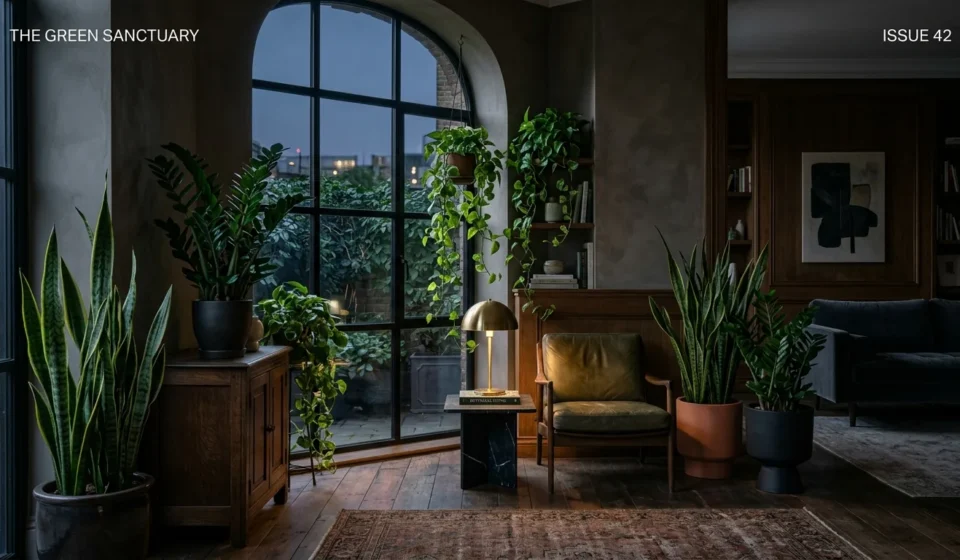
Ever gazed at a dim corner in your apartment, office, or home and wished it could burst with life? Many plant parents believe that a lack of abundant sunshine means a lack of houseplants. But I’m here to tell you that’s simply not true! As an experienced urban horticulturist, I’ve seen countless “impossible” spaces transformed into thriving green sanctuaries. The secret? Choosing the right plants and understanding their unique needs. You don’t need complicated routines or grow lights to have a flourishing indoor garden, even in the shadiest spots. You just need the right companions!
Table Of Content
- Unlock the Green Potential of Your Dim Spaces
- Understanding “Low Light”: What Does It Really Mean?
- Top Picks for Your Dim Corners: Our Favorite Low Light Heroes
- Mastering Low Light Care: Tips for Success
- Common Pitfalls and How to Avoid Them
- Your Low Light Plant Action Plan: What to Do This Week
- Frequently Asked Questions
- What does low light mean for houseplants?
- How can I determine if my space has low light?
- What are some good low light houseplants?
- Do low light houseplants require special care?
- Can I still have a thriving indoor garden in a low light space?
On easy houseplant care, we believe everyone deserves the joy of houseplants, regardless of their living situation. This guide is your ultimate resource for picking and caring for those incredible plants that don’t just tolerate low light but actually thrive in it. Get ready to turn those overlooked nooks into your favorite plant zones!
Understanding “Low Light”: What Does It Really Mean?
Before we dive into specific plant recommendations, let’s clarify what “low light” actually entails. It’s one of those terms that can confuse beginners, but it’s quite simple when you break it down. When plant experts talk about light, they’re generally referring to three categories: bright indirect light, medium light, and low light.
Bright indirect light means a space that receives plenty of light, but the sun’s rays never directly hit the plant’s leaves. Think of a room with a large window, but the plant is placed a few feet away, or behind a sheer curtain. Low light, on the other hand, refers to an area that gets very little direct sun, if any. This could be a north-facing window, a corner far from any window, or a room lit primarily by artificial light. Imagine your office cubicle, where the only light comes from an overhead fluorescent fixture, or a bathroom with a small, frosted window. That’s typically a low light environment.
So, how do you know if your space qualifies? A good rule of thumb I often share is this: if you can comfortably read a book without turning on a lamp, it’s probably at least medium light. If it’s a struggle, or you need artificial light during the day, you’re likely in a low light zone. Another quick test: hold your hand about a foot above the plant’s spot. If your shadow is barely visible or very soft, that’s low light. We want to work with these conditions, not against them, by selecting plants that evolved to handle such environments. This approach means less stress for both you and your plant!
Top Picks for Your Dim Corners: Our Favorite Low Light Heroes
Now for the exciting part! These plants are truly remarkable in their ability to brighten up even the most challenging spots. Based on my experience and observations, these are the champions of low light, demanding minimal fuss while offering maximum reward.
- Snake Plant (Sansevieria trifasciata): Truly indestructible! Varieties like the classic ‘Laurentii’ with its striking yellow edges can tolerate anything from low light to bright sun. They’re also incredibly drought-tolerant, meaning you can forget to water them for weeks and they’ll still be happy. Perfect for the busiest plant parent.
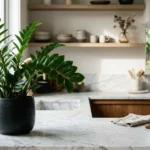
- ZZ Plant (Zamioculcas zamiifolia): If there’s a plant that thrives on neglect, it’s the ZZ. Its waxy, dark green leaves are not only beautiful but also incredibly efficient at conserving water. It can survive in extremely low light conditions and needs watering only when the soil is completely dry, sometimes just once a month!
- Pothos (Epipremnum aureum): Known as “devil’s ivy” because it’s so hard to kill, Pothos is a versatile trailing plant. While it prefers medium indirect light, it adapts beautifully to low light, though its growth will be slower and variegation (if present) might be less pronounced. Varieties like ‘Golden Pothos’ or ‘Jade Pothos’ are excellent choices.
- Peace Lily (Spathiphyllum): This elegant plant not only tolerates low light but also purifies the air and produces beautiful white flower-like spathes. Peace Lilies will tell you exactly when they need water by dramatically drooping their leaves, then perk right back up after a good drink. They appreciate consistent moisture but definitely don’t like soggy soil.
- Cast Iron Plant (Aspidistra elatior): The name says it all! This plant is incredibly tough and truly thrives in deep shade where most other plants would simply fade away. It’s slow-growing, has dark green, leathery leaves, and is super low-maintenance, making it ideal for those really dark corners.
- Chinese Evergreen (Aglaonema): With its stunning variegated foliage in shades of green, silver, and even pink or red, the Chinese Evergreen adds a splash of color to low light spaces. It’s quite forgiving and can handle irregular watering.
Mastering Low Light Care: Tips for Success
Choosing the right plant is half the battle; the other half is understanding its specific needs. Low light plants generally have unique requirements compared to their sun-loving cousins. Let me add something here: don’t treat them like sunbathers! That’s a common mistake I see.
- Watering Wisely: This is critical. In low light, plants use less water because photosynthesis (the process of converting light into energy) is slower. Overwatering is the number one killer of low light plants. Always check the soil before watering. For most, wait until the top 2-3 inches of soil are completely dry. A simple finger test works, or consider a moisture meter for precise readings. Honestly, for low light plants, it’s better to underwater slightly than to overwater.
- Soil Matters: Ensure your plants are in a well-draining soil mix. This means a mix that allows water to pass through easily, preventing roots from sitting in soggy conditions, which leads to root rot. A good quality potting mix designed for houseplants, often with added perlite or coco coir for drainage, is usually sufficient.
- Fertilizing: Less is more here. Low light means slower growth, so plants need fewer nutrients. I recommend a diluted liquid fertilizer (e.g., a balanced 5-5-5 or 10-10-10 diluted to half strength) once every 6-8 weeks during the growing season (spring and summer), and abstain entirely in fall and winter.
- Humidity: While many low light plants are quite tolerant, some, like the Peace Lily or Prayer Plant, appreciate higher humidity. Grouping plants together or using a pebble tray can help increase localized humidity.
- Cleaning Leaves: Dust can accumulate on broad leaves, blocking what little light your plant is getting. Gently wipe leaves with a damp cloth every few weeks to ensure maximum light absorption.
Common Pitfalls and How to Avoid Them
Even with the toughest low light plants, mistakes can happen. But what would you do in this situation? Here are some of the most common issues I’ve encountered and how to steer clear of them:
- Overwatering: As mentioned, this is the biggest culprit. Yellowing leaves, mushy stems, and a foul smell from the soil are all signs of overwatering and potential root rot. Always check the soil moisture before reaching for the watering can.
- Expecting Rapid Growth: Low light conditions naturally lead to slower growth. Don’t be discouraged if your plant isn’t putting out new leaves every week. Patience is key! Rapid growth is a sign of high light and frequent feeding, which is not what these plants need.
- Ignoring Plant Signals: Plants communicate. Droopy leaves often mean thirst (especially for Peace Lilies), but they can also indicate overwatering if the soil is still wet. Brown, crispy leaf tips might signal low humidity or under-watering. Learn to read these cues, and you’ll become a better plant parent.
- Lack of Drainage: Never pot a plant in a container without drainage holes. Ever. Seriously, this is a non-negotiable for healthy roots. If you love a decorative pot without holes, use it as a cachepot and keep your plant in a nursery pot inside it, lifting it out to water.
Your Low Light Plant Action Plan: What to Do This Week
Ready to bring some green into your darker spaces? Here’s your simple checklist:
- Assess Your Space: Identify those low light areas. Use the shadow test or simply observe how much natural light they receive during the day.
- Choose Your Plant Hero: Pick one or two plants from our “Top Picks” list that appeal to you and suit your lifestyle.
- Get the Right Gear: Purchase your chosen plant, a pot with drainage holes, and a good quality, well-draining houseplant potting mix.
- Water Smart: When you bring your new plant home, check its soil. If it’s dry, give it a good soak, allowing water to drain completely. Then, commit to checking the soil moisture regularly and only watering when the top few inches are dry.
- Observe and Adjust: Spend a few minutes each week observing your plant. Is it happy? Are its leaves looking good? This simple practice will make all the difference.
Remember, cultivating houseplants, especially in challenging low light conditions, is a journey of learning and discovery. It’s incredibly rewarding to watch a plant thrive in a spot you thought was impossible. With these resilient low light plants and practical tips from easy houseplant care, you’re well on your way to creating a vibrant, effortlessly green home, no matter how dim your corners may be. Happy planting!
Frequently Asked Questions
What does low light mean for houseplants?
Low light refers to an area that gets very little direct sun, if any. This could be a north-facing window, a corner far from any window, or a room lit primarily by artificial light. To determine if your space qualifies as low light, you can try reading a book without turning on a lamp or holding your hand above the plant's spot to see if your shadow is barely visible.
How can I determine if my space has low light?
You can determine if your space has low light by trying to read a book without turning on a lamp. If it's a struggle, or you need artificial light during the day, you're likely in a low light zone. Another quick test is to hold your hand about a foot above the plant's spot. If your shadow is barely visible or very soft, that's low light.
What are some good low light houseplants?
Some good low light houseplants include the Snake Plant, ZZ Plant, Pothos, and Peace Lily. These plants are known for their ability to thrive in low light conditions and require minimal care. The Snake Plant and ZZ Plant are particularly hardy and can tolerate neglect, making them great options for busy plant parents.
Do low light houseplants require special care?
Low light houseplants do not require complicated routines or grow lights to thrive. However, they do need to be chosen and cared for with their unique needs in mind. This includes selecting plants that are adapted to low light conditions and providing them with the right amount of water and nutrients. With the right care, low light houseplants can bring joy and beauty to even the darkest spaces.
Can I still have a thriving indoor garden in a low light space?
Yes, you can still have a thriving indoor garden in a low light space. By choosing the right plants and understanding their unique needs, you can create a beautiful and lush indoor garden even in the shadiest spots. With a little knowledge and care, you can unlock the green potential of your dim spaces and enjoy the benefits of having plants in your home or office.