Thriving Greenery, Zero Stress: Your Guide to Easy-Care Houseplants

Dreaming of a lush, vibrant indoor jungle but convinced your packed schedule won’t allow it? You’re not alone! Many aspiring plant parents hesitate, fearing they’ll accidentally kill another plant or simply don’t have the time for complicated routines. The good news? You absolutely can enjoy the beauty and benefits of houseplants without turning into a full-time botanist. It’s all about choosing the right plant and understanding a few simple principles. On Easy Houseplant Care | Simple Indoor Plant Tips, we believe everyone deserves thriving greenery.
Table Of Content
- Why Low-Maintenance? Understanding the “Easy” Factor
- Top Picks for Busy Plant Parents (with Specific Care Tips)
- Snake Plant (Sansevieria trifasciata)
- ZZ Plant (Zamioculcas zamiifolia)
- Pothos (Epipremnum aureum)
- Spider Plant (Chlorophytum comosum)
- Cast Iron Plant (Aspidistra elatior)
- Mastering the Basics: Simple Care for Lasting Success
- Watering Wisdom (Not a Schedule, a Feeling!)
- Lighting Up Your Life (and Your Plants’)
- The Right Pot & Soil
- Common Mistakes & Quick Fixes
- Quick “What to Do This Week” Takeaway
- Frequently Asked Questions
- What makes a houseplant low-maintenance?
- Why is overwatering a common killer of houseplants?
- What are some top picks for busy plant parents?
- How often should I water my low-maintenance houseplants?
- What type of soil is best for low-maintenance houseplants?
This guide is specifically crafted for busy individuals – apartment dwellers, homeowners, office workers – who want gorgeous indoor plants that practically take care of themselves. Forget demanding divas; we’re talking about resilient, forgiving plants that shrug off a missed watering and still look fantastic. Let me tell you, based on my years of experience, these plant heroes are game-changers for anyone short on time but big on green aspirations.
Why Low-Maintenance? Understanding the “Easy” Factor
So, what exactly makes a houseplant low-maintenance? It boils down to their natural resilience and adaptability. These plants are often native to environments where resources aren’t always consistent, meaning they’ve evolved to tolerate a wider range of conditions and bounce back from a bit of neglect. They don’t need precise humidity, constant watering, or specific light angles.
For example, imagine this situation: You’re rushing out the door for an unexpected business trip, and you completely forget to water your plants. A high-maintenance plant might throw a dramatic tantrum, dropping leaves and wilting beyond recovery. Our easy-care champions, however, will likely be a little thirsty when you return, but a good drink will have them perking right back up. This tolerance for inconsistency is key for busy lives.
Honestly, the biggest killer of houseplants, in my opinion, isn’t underwatering – it’s overwatering. Many low-maintenance plants thrive on neglect when it comes to hydration, preferring their soil to dry out thoroughly between waterings. This characteristic alone saves busy plant parents a lot of stress and prevents common beginner mistakes.
Top Picks for Busy Plant Parents (with Specific Care Tips)
Now for the stars of the show! These are my absolute go-to recommendations for anyone seeking beautiful, resilient plants that demand minimal fuss. I’ve personally grown dozens of these, and they rarely disappoint.
Snake Plant (Sansevieria trifasciata)
- Why it’s easy: Extremely drought-tolerant and adaptable to almost any light condition.
- Light: Thrives in low light (think dimly lit corners) but also tolerates bright indirect light (near a window without direct sun).
- Water: Water only when the soil is completely dry, typically every 3-4 weeks, or even longer in winter. Err on the side of underwatering.
- Soil: A well-draining soil mix is crucial; a standard potting mix blended with perlite or coarse sand works wonders.
- Pro Tip: The ‘Laurentii’ variety with its yellow-edged leaves is particularly striking. These are fantastic air purifiers too!
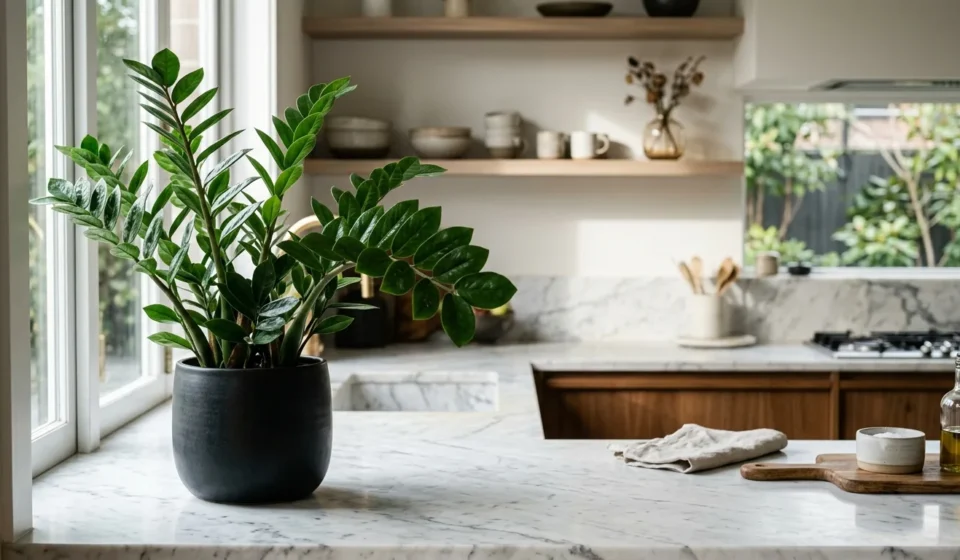
ZZ Plant (Zamioculcas zamiifolia)
- Why it’s easy: Stores water in its thick rhizomes (underground stems), making it incredibly forgiving of missed waterings.
- Light: Handles low light conditions like a champ, but will grow faster in medium indirect light. Avoid direct sun.
- Water: Water every 2-4 weeks, allowing the soil to dry out completely between waterings. When in doubt, wait.
- Soil: Needs excellent drainage. A mix of 50% potting mix, 30% perlite, and 20% orchid bark is ideal.
- Pro Tip: Its glossy, deep green leaves always look polished. A perfect plant for an office desk.
Pothos (Epipremnum aureum)
- Why it’s easy: Very adaptable to light and watering, plus it’s super easy to propagate from cuttings.
- Light: Thrives in medium to bright indirect light. Can tolerate lower light but variegation may fade.
- Water: Water when the top 2-3 inches of soil are dry (about every 7-10 days). It will tell you it’s thirsty by slightly drooping.
- Soil: A standard indoor potting mix with good drainage is fine.
- Pro Tip: ‘Marble Queen’ and ‘Neon’ are popular varieties. Its trailing vines look fantastic on shelves or in hanging baskets.
Spider Plant (Chlorophytum comosum)
- Why it’s easy: Forgiving, propagates easily, and produces adorable “spiderettes” (baby plants).
- Light: Prefers medium to bright indirect light. Direct sun can scorch its leaves.
- Water: Water when the top inch of soil feels dry. They appreciate consistent moisture but can tolerate drying out.
- Soil: Any good quality, well-draining potting mix.
- Pro Tip: Known for being excellent air purifiers. Those little spiderettes can be rooted in water or soil to make new plants.
Cast Iron Plant (Aspidistra elatior)
- Why it’s easy: Lives up to its name! It can handle almost anything you throw at it – low light, infrequent watering, temperature fluctuations.
- Light: Extremely tolerant of very low light conditions, but also does fine in medium indirect light.
- Water: Water sparingly, allowing the soil to dry out completely between waterings. Maybe every 2-4 weeks.
- Soil: Not fussy; a standard potting mix is perfectly acceptable.
- Pro Tip: If you’ve struggled with other plants, this one is your ultimate test of resilience. It’s incredibly architectural and elegant.
Mastering the Basics: Simple Care for Lasting Success
So far we’ve looked at specific plants that are perfect for a low-maintenance lifestyle. Now let’s dive into the core principles that will keep any of these plants happy, no matter how busy you get. These aren’t complicated; they’re foundational habits.
Watering Wisdom (Not a Schedule, a Feeling!)
This is perhaps the most critical skill for any plant parent. Forget strict watering schedules like “every 7 days.” Instead, learn to check the soil moisture. For most low-maintenance plants, you’ll want to water when the top 2-3 inches of soil are dry. Stick your finger into the soil – if it feels dry, it’s time to water. If it’s still damp, wait. A simple moisture meter (affordable and widely available) is an excellent tool for beginners, taking out all the guesswork.
When you do water, water thoroughly until you see water draining from the bottom of the pot. Discard any excess water from the saucer. This ensures the roots get a good drink. Let me add something here: for busy individuals, self-watering pots can be a fantastic option, though still require occasional monitoring to ensure the reservoir doesn’t stay full indefinitely, potentially leading to root rot for some plants.
Lighting Up Your Life (and Your Plants’)
Understanding light is simpler than it sounds. Bright indirect light means your plant can see the sky but isn’t getting direct sunbeams scorching its leaves. Think a few feet back from a sunny window or in a north-facing window. Medium light is a bit dimmer, further from a window, but still well-lit. Low light means the plant can survive in a room without much natural light, like a hallway or a corner far from a window. But what if your apartment is a bit dim? Choose plants specifically listed for low light, like the ZZ Plant or Cast Iron Plant. Rotate your plants every few weeks to ensure even growth.
The Right Pot & Soil
Good drainage is non-negotiable for almost all houseplants. Always choose pots with drainage holes! As for soil, a well-draining soil mix prevents waterlogging. While a standard indoor potting mix is often adequate, for extra insurance, I recommend a blend like 50% regular potting mix, 30% perlite (to improve aeration and drainage), and 20% orchid bark (for chunkiness and airflow). This custom mix works wonders for root health, especially for drought-tolerant plants.
Common Mistakes & Quick Fixes
Even with easy-care plants, minor issues can pop up. Knowing how to troubleshoot quickly is part of being a confident plant parent.
- Mistake: Overwatering. Symptoms: Yellowing leaves, mushy stems, rotten smell from soil. Fix: Stop watering immediately. Let the soil dry out completely. If severe, repot into fresh, dry soil and a clean pot, checking for root rot (trim off any black, mushy roots).
- Mistake: Underwatering. Symptoms: Droopy, crispy leaves, very dry, compacted soil. Fix: Give the plant a thorough soak. Place the pot in a basin of water for 30 minutes, allowing it to absorb water from the bottom. Then, drain well.
- Mistake: Ignoring Pests. Symptoms: Sticky residue, tiny bugs, distorted growth. Fix: Inspect your plants regularly. For small infestations, wipe leaves with a damp cloth. For larger issues, spray with a diluted neem oil solution (follow product instructions) every 7 days until pests are gone.
- Mistake: Too Much Direct Sun. Symptoms: Scorched, bleached spots on leaves. Fix: Move the plant further from the window or to a spot with less intense light.
Quick “What to Do This Week” Takeaway
To keep your low-maintenance plants happy without a huge time commitment, here’s your simple weekly checklist:
- Check the top 2-3 inches of soil on your plants. Water only if dry.
- Quickly dust off any accumulated dust from the leaves with a soft cloth. This helps them photosynthesize better.
- Give your plants a quarter turn if they’re near a window to ensure even growth.
There you have it! A world of vibrant, easy-care greenery awaits, perfectly suited for your busy lifestyle. Choosing the right plant, understanding its basic needs, and developing a simple routine will ensure your indoor plants not only survive but truly thrive. Remember, every plant parent starts somewhere, and with these resilient beauties, you’re set up for success from day one. Go ahead, bring some green joy into your home – it’s easier than you think!
Frequently Asked Questions
What makes a houseplant low-maintenance?
Low-maintenance houseplants are characterized by their natural resilience and adaptability, often native to environments where resources aren't always consistent. They can tolerate a wider range of conditions and bounce back from a bit of neglect, making them perfect for busy individuals. These plants don't require precise humidity, constant watering, or specific light angles, making them easy to care for. For example, they can survive with infrequent watering and still look fantastic.
Why is overwatering a common killer of houseplants?
Overwatering is a common mistake that can kill houseplants, especially low-maintenance ones that thrive on neglect when it comes to hydration. These plants prefer their soil to dry out thoroughly between waterings, and excessive watering can lead to root rot and other problems. It's essential to understand the watering needs of your plant to prevent overwatering and ensure its survival. By doing so, you can save yourself a lot of stress and prevent common beginner mistakes.
What are some top picks for busy plant parents?
Some top picks for busy plant parents include the Snake Plant, ZZ Plant, and Pothos. These plants are extremely drought-tolerant, adaptable to various light conditions, and require minimal fuss. The Snake Plant thrives in low light and can survive with infrequent watering, while the ZZ Plant stores water in its rhizomes, making it incredibly forgiving of missed waterings. The Pothos is also very adaptable to light and watering, and it's easy to propagate from cuttings.
How often should I water my low-maintenance houseplants?
The frequency of watering low-maintenance houseplants depends on the specific plant and its needs. For example, the Snake Plant should be watered only when the soil is completely dry, typically every 3-4 weeks. The ZZ Plant should be watered every 2-4 weeks, allowing the soil to dry out completely between waterings. The Pothos should be watered when the top 2-3 inches of soil feel dry to the touch. It's essential to research the specific watering needs of your plant to ensure you're providing the right amount of moisture.
What type of soil is best for low-maintenance houseplants?
Low-maintenance houseplants require well-draining soil to prevent waterlogged soil and root rot. A standard potting mix blended with perlite or coarse sand works wonders for plants like the Snake Plant. For the ZZ Plant, a mix of 50% potting mix, 30% perlite, and 20% orchid bark is ideal. The Pothos also prefers well-draining soil, and a mix with a high percentage of perlite or sand can help prevent waterlogged soil. By using the right type of soil, you can ensure your low-maintenance houseplants thrive and remain healthy.