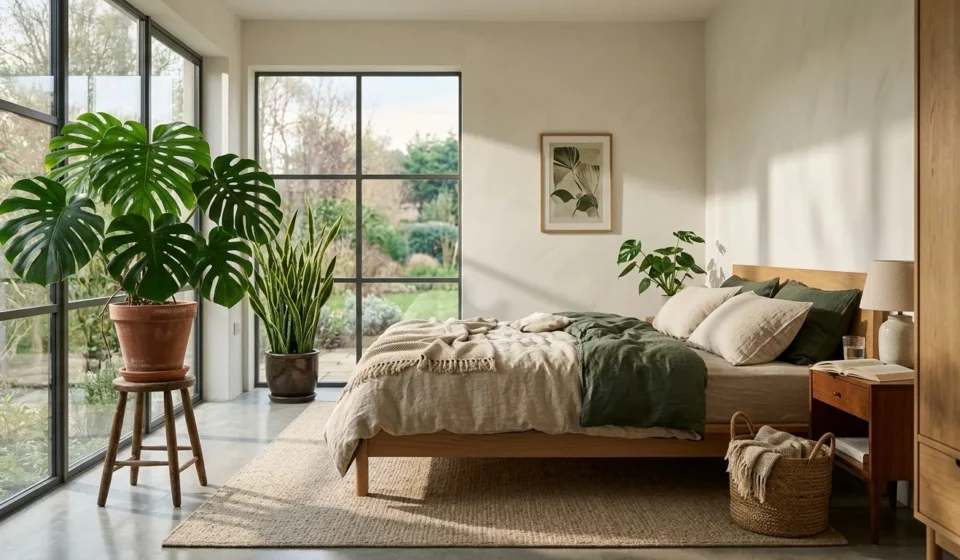
Sleep Better: The Ultimate Guide to Choosing Your Perfect Bedroom Plant

Imagine stepping into your bedroom, and instantly, a wave of calm washes over you. The air feels fresher, the ambiance is serene, and you know a good night’s sleep awaits. This isn’t just a dream; it’s the power of the right houseplant. For years, I’ve seen firsthand how a little greenery can transform a mere sleeping space into a true sanctuary. Choosing the perfect plant for your bedroom isn’t just about aesthetics; it’s about creating a healthier, happier environment that supports rest and rejuvenation.
Table Of Content
- The Magic of Plants in Your Sleep Space
- Breathing Easier: Air Purification Benefits
- A Touch of Zen: Aesthetics and Mood
- Sound Sleep, Naturally
- Choosing Your Green Roommate: Practical Considerations
- Light Levels Are Everything
- Space and Size Matters
- Maintenance Level: How Hands-On Do You Want To Be?
- Pet & Child Safety: Non-Toxic Choices
- Your Dream Team: Top Bedroom Plant Picks
- Snake Plant (Sansevieria trifasciata varieties)
- ZZ Plant (Zamioculcas zamiifolia)
- Pothos (Epipremnum aureum varieties)
- Peace Lily (Spathiphyllum)
- Spider Plant (Chlorophytum comosum)
- Lavender (Lavandula)
- Common Pitfalls and How to Avoid Them
- Overwatering: The Silent Killer
- Ignoring Light Needs
- Forgetting Humidity
- Skipping Repotting or Fertilizing
- Quick “What to do this week” takeaway
The Magic of Plants in Your Sleep Space
So, why bring plants into the very room where you unwind and recharge? The benefits extend far beyond just looking pretty. From improving air quality to boosting your mood, plants are silent, natural allies in your quest for a better bedroom experience.
Breathing Easier: Air Purification Benefits
Many houseplants are natural air purifiers, diligently working to filter out common household toxins. Think about it: substances like formaldehyde (found in furniture and carpets), benzene (from plastics and detergents), and trichloroethylene (from solvents) can linger in your air. Plants like the Snake Plant or Peace Lily actively absorb these compounds through their leaves and roots, releasing clean, fresh oxygen back into your room. What’s truly amazing is that some plants, particularly those with Crassulacean Acid Metabolism (CAM) like the Snake Plant and ZZ Plant, actually produce oxygen at night, which is exactly when you need it most for restful sleep. Honestly, it’s like having a tiny, silent air filter working while you dream!
A Touch of Zen: Aesthetics and Mood
There’s an undeniable psychological benefit to being surrounded by nature. Bringing plants indoors can significantly reduce stress levels, promote feelings of calm, and even improve concentration. The vibrant greens, the unique textures, and the simple act of caring for a living thing can be incredibly therapeutic. I remember a time when my bedroom felt more like a cluttered storage space than a sanctuary. The air felt stale, and sleep was often elusive. Introducing just a few strategically placed plants completely shifted the energy, making the room feel more inviting and peaceful. It’s amazing how a bit of natural beauty can transform your mood and make your personal space feel more harmonious.
Sound Sleep, Naturally
While direct scientific links between specific plants and sleep duration are still being studied, the overall benefits of a plant-filled environment contribute to better sleep. Reduced stress, improved air quality, and the calming presence of greenery all combine to create an ideal atmosphere for rest. Additionally, some plants can slightly increase humidity, which can be beneficial in dry environments, potentially easing respiratory discomfort and promoting more comfortable sleep.
Choosing Your Green Roommate: Practical Considerations
Now that you’re convinced of the “why,” let’s dive into the “how.” Picking the perfect bedroom plant isn’t just about what looks good; it’s about matching a plant’s needs with your room’s conditions and your lifestyle. This is where many beginner plant parents stumble, but with a few key considerations, you’ll be set for success.
Light Levels Are Everything
The single most critical factor for any houseplant is light. Your bedroom’s light conditions will dictate which plants will thrive. Take a moment to assess your space:
- Bright Indirect Light: This is ideal for most houseplants. It means the plant receives plenty of light, but the sun’s rays don’t directly hit its leaves for extended periods. Think of a room with a south or west-facing window, but the plant is placed a few feet away, or the light is diffused by sheer curtains.
- Medium Light: A room with an east-facing window (morning sun) or a north-facing window (consistent, softer light). Plants here will still grow well but might not flower as much or grow as vigorously as in bright indirect light.
- Low Light: A room with a small window, a window facing a shaded area, or a plant placed far from any light source. While few plants truly thrive in ‘no light,’ many tolerate low-light conditions, growing slowly but steadily.
For example, imagine this situation: You have a beautiful north-facing window in your bedroom. This typically means consistent, softer light throughout the day. A plant like a Fiddle Leaf Fig, which craves bright, direct light, would quickly decline here. But a ZZ Plant or a Peace Lily would feel right at home. Understanding your light is step one!
Space and Size Matters
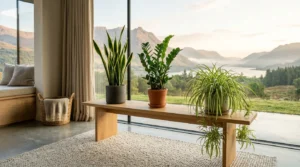
Consider the mature size of the plant and the available space. Do you have a small nightstand that needs a compact plant? Or an empty corner that could host a dramatic, larger specimen? Trailing plants like Pothos are fantastic for shelves or hanging baskets, while upright plants like Snake Plants are perfect for floor space. Don’t forget to factor in the pot size as well; a larger pot needs more space and might be heavier to move for cleaning or watering.
Maintenance Level: How Hands-On Do You Want To Be?
Be honest with yourself about your commitment level. Are you a devoted plant parent who enjoys daily check-ins, or do you prefer a “set it and forget it” approach? For busy apartment dwellers or office workers, low-maintenance plants are a game-changer. These typically forgive occasional missed waterings and don’t demand constant attention. For instance, some plants need watering only when the top 2 inches of soil are dry, which you can easily check with your finger or a moisture meter, making their schedule flexible.
Pet & Child Safety: Non-Toxic Choices
If you share your home with curious pets or young children, choosing non-toxic plants is crucial. While many common houseplants are only mildly irritating if ingested, it’s always better to err on the side of caution. We’ll highlight some excellent non-toxic options in the next section, but always do a quick check if you’re unsure about a particular plant. Your peace of mind is worth it!
Your Dream Team: Top Bedroom Plant Picks
Alright, with those considerations in mind, let’s talk about some specific plant heroes that excel in the bedroom environment. These are tried-and-true favorites that I recommend time and time again for their beauty, benefits, and relatively easy care.
Snake Plant (Sansevieria trifasciata varieties)
The ultimate low-maintenance champion! Snake Plants are famous for their ability to tolerate a wide range of conditions, including low light, and for their excellent air-purifying qualities, especially releasing oxygen at night. Varieties like ‘Laurentii’ with its yellow edges or the sleek ‘Zeylanica’ are perfect. They prefer to dry out completely between waterings, making them very forgiving if you forget. I believe this plant is the ultimate set-it-and-forget-it bedroom buddy.
ZZ Plant (Zamioculcas zamiifolia)
Another superstar for the neglectful plant parent, the ZZ Plant thrives on minimal attention. It can handle very low light conditions and is incredibly drought-tolerant thanks to its thick, water-storing rhizomes. Just be careful not to overwater this one; it’s practically indestructible otherwise. Its glossy, dark green leaves add a sophisticated touch to any bedroom.
Pothos (Epipremnum aureum varieties)
Pothos plants are incredibly versatile and beautiful, with their trailing vines and variegated leaves (like ‘Golden Pothos’ or ‘Marble Queen’). They’re excellent air purifiers and can tolerate medium to low light, though they’ll grow faster and show more variegation in brighter indirect light. While mildly toxic if ingested, they are widely used and usually safe as long as they are out of reach of pets and children. They’re also super easy to propagate in water!
Peace Lily (Spathiphyllum)
With its elegant white blooms and lush green foliage, the Peace Lily is a fantastic choice for air purification and adding a touch of grace. It prefers medium to low light and will tell you exactly when it needs water by dramatically wilting (don’t worry, it perks right back up after a good drink!). Just ensure it’s kept away from curious pets as it is mildly toxic.
Spider Plant (Chlorophytum comosum)
Spider Plants are non-toxic, fantastic air purifiers, and incredibly easy to care for, making them perfect for bedrooms, especially those with pets or kids. They thrive in medium to bright indirect light and produce adorable “spiderettes” that are fun and easy to propagate. Place them on a shelf or in a hanging basket to show off their cascading foliage.
Lavender (Lavandula)
If you’re looking for a plant specifically for its aromatic qualities, lavender is a beautiful choice known for promoting relaxation and sleep. However, it’s a bit more demanding than the others on this list, requiring bright light and good airflow. If you have a sunny bedroom window and are willing to give it a little extra care, the reward of its calming fragrance is well worth it.
Common Pitfalls and How to Avoid Them
Even with the right plant, mistakes can happen. But don’t worry, they’re usually easy to fix! Here are some common missteps and how to navigate them like a seasoned plant parent.
Overwatering: The Silent Killer
This is, in my opinion, the most common mistake new plant parents make. Too much water leads to root rot, which starves the plant of oxygen and nutrients. Always check the soil moisture before watering. Stick your finger about two inches deep into the soil. If it feels dry, it’s time to water; if it’s still damp, wait a few more days. Using a moisture meter can also be a helpful tool for beginners. Ensure your pots have drainage holes, and always empty any standing water from the saucer.
Ignoring Light Needs
Placing a sun-loving plant in a dark corner or a low-light plant directly in scorching sun can lead to problems. If your plant is stretching towards the light (a phenomenon called etiolation) or has sparse growth, it needs more light. If its leaves are turning yellow or crispy with brown spots, it might be getting too much direct sun. Rotate your plants occasionally to ensure even growth, and adjust their placement as needed.
Forgetting Humidity
Many popular houseplants originate from tropical climates and appreciate higher humidity than typical indoor environments, especially during dry winter months or in rooms with air conditioning. If you notice crispy leaf tips or stunted growth, low humidity might be the culprit. Consider misting your plants (though this is often a temporary fix), placing them on a pebble tray filled with water, or using a small room humidifier.
Skipping Repotting or Fertilizing
Plants can become root-bound, meaning their roots have filled the pot and have no room to grow, leading to stunted growth. Generally, plants need to be repotted every 1-2 years, or when you see roots emerging from the drainage holes. When it comes to fertilizer, most houseplants benefit from a balanced liquid fertilizer (like a 10-10-10) diluted to half strength every 4-6 weeks during their active growing season (spring and summer). Avoid fertilizing in fall and winter when growth naturally slows.
Quick “What to do this week” takeaway:
- Check your plants’ soil: Water only if the top 2 inches are dry.
- Wipe down leaves: Dust can block light and hinder photosynthesis.
- Rotate your plants: Give them an even dose of light from all sides.
Bringing plants into your bedroom is one of the simplest yet most impactful ways to elevate your living space and enhance your well-being. By considering your room’s conditions and your personal preferences, you can easily select a green companion that not only thrives but also contributes to a more restful, beautiful, and healthy environment. Remember, every plant journey starts with a single leaf, and with these tips from Easy Houseplant Care, you’re well on your way to creating your perfect plant-filled bedroom sanctuary. Sweet dreams and happy growing!