New to Houseplants? Your Ultimate Easy-Start Guide for Effortless Greenery

Ready to Be a Plant Parent? Your Journey Starts Here!
Ever walked into a home filled with lush, vibrant houseplants and thought, “I wish I could do that, but I have a black thumb”? Or maybe you’ve tried a plant or two, only to watch them slowly fade? Trust me, you’re not alone. So many people believe keeping plants alive is some secret art, but honestly, it’s more about understanding a few fundamental principles and choosing the right plant for your space.
Table Of Content
- Ready to Be a Plant Parent? Your Journey Starts Here!
- Choosing Your First Plant & Its Perfect Spot: Light is King!
- Top Picks for New Plant Parents: Start with Success!
- The Art of Watering: It’s Simpler Than You Think!
- The Golden Rule: Don’t Overwater!
- Potting and Feeding Your New Friend
- Potting Up for Success
- A Little Food Goes a Long Way (But Not Too Much!)
- Common Beginner Blunders & Quick Fixes
- Mistake 1: Ignoring Drainage
- Mistake 2: Forgetting to Check for Pests
- Mistake 3: Jumping to Conclusions about Yellow Leaves or Brown Tips
- Your Weekly Plant Check-in: The “What to Do This Week” Takeaway
- Embrace Your Inner Plant Parent!
- Frequently Asked Questions
- What is the most important factor in choosing a houseplant?
- What type of light is best for most houseplants?
- Can plants thrive in low-light conditions?
- What are some beginner-friendly houseplants?
- What is the most common mistake when watering houseplants?
Here at easy houseplant care | Simple Indoor Plant Tips, we believe everyone deserves the joy of thriving indoor greenery without complicated routines. This guide is your no-fuss, step-by-step roadmap to becoming a confident plant parent. We’ll break down everything you need to know, from picking your first plant to keeping it happy and healthy, making plant care feel like the easiest thing you do all week.
Choosing Your First Plant & Its Perfect Spot: Light is King!
The single most important decision you’ll make when starting with houseplants is choosing the right plant for the right spot. This isn’t about having a “green thumb”; it’s about matching a plant’s needs to your home’s environment. And the biggest factor? Light. Different plants have different light requirements, and understanding these is crucial for their survival.
Light levels are key. When we talk about light for houseplants, we generally refer to:
- Bright Indirect Light: This is the holy grail for most houseplants! It means your plant is near a window (south or west-facing is often best), but the direct sun rays don’t hit its leaves. Think of it as a bright room where you can comfortably read a book all day without needing a lamp, but the sun isn’t scorching the spot. A sheer curtain can help diffuse direct sun.
- Medium Light: A bit further from a bright window, or near an east-facing window. The light isn’t as intense, but still consistently bright throughout the day.
- Low Light: This doesn’t mean no light at all! It means your plant can tolerate being in a room with only ambient light, perhaps several feet from a window, or in a north-facing room. Survival is possible, but growth will be slow.
To be fair, no plant truly thrives in a dark corner. Every plant needs some light for photosynthesis – the process where they convert light into energy. But what would you do in a situation where you only have low-light spots? Don’t despair! You simply need to pick plants that are naturally adapted to those conditions.
Top Picks for New Plant Parents: Start with Success!
Based on my experience, these plants are incredibly forgiving and perfect for beginners. They can handle a little neglect and will still reward you with their beauty:
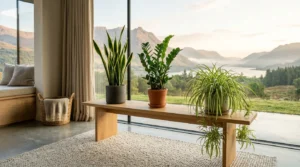
- Snake Plant (Sansevieria trifasciata): Honestly, this plant is almost indestructible. It tolerates low light, infrequent watering, and can bounce back from neglect. Plus, varieties like ‘Laurentii’ add striking vertical interest. It’s an excellent choice for bedrooms or offices.
- ZZ Plant (Zamioculcas zamiifolia): Another champion of neglect! The ZZ plant thrives in low to medium light and can go for weeks without water thanks to its thick rhizomes that store moisture. Its glossy, dark green leaves are incredibly elegant.
- Pothos (Epipremnum aureum): Available in many beautiful variegated forms like ‘Golden Pothos’ or ‘Marble Queen’, these vining plants are super adaptable. They tolerate medium to low light and are quite vocal when they need water (their leaves start to droop slightly). They’re also incredibly easy to propagate!
- Spider Plant (Chlorophytum comosum): These classic houseplants are known for producing “plantlets” or “spiderettes” that hang like spiders. They prefer medium to bright indirect light and are great air purifiers. They’re also super easy to share with friends!
The Art of Watering: It’s Simpler Than You Think!
More houseplants die from overwatering than underwatering, in my opinion. It’s a common mistake born out of good intentions. When you overwater, the soil stays soggy, depriving the roots of oxygen and leading to root rot – a silent killer. So, how do you water correctly?
The Golden Rule: Don’t Overwater!
The best way to know when to water is not by following a strict schedule (like “every 7 days”) but by checking the soil. Here’s the most reliable method:
- The Finger Test: Stick your finger about 2 inches deep into the soil. If it feels dry, it’s likely time to water. If it feels moist, wait a few more days and check again.
- Lift the Pot: A dry pot will feel significantly lighter than a recently watered one. This takes a little practice but becomes intuitive.
- Moisture Meter: For beginners, a simple moisture meter is a game-changer. Just insert the probe into the soil, and it’ll tell you if it’s dry, moist, or wet. Aim for the “moist” reading, not “wet,” before watering most plants.
When you do water, water thoroughly! Pour water slowly over the soil until it drains out of the bottom of the pot. This ensures that all the roots get a drink. Make sure to empty any standing water from the saucer within 15-30 minutes, as plants hate sitting in stagnant water. Most houseplants prefer a well-draining soil mix – this means a soil that allows water to pass through easily, preventing it from becoming waterlogged. A standard indoor potting mix with added perlite or bark works wonders.
Potting and Feeding Your New Friend
Once you’ve picked your plant and mastered watering, what’s next? Giving it a good home and a little nourishment!
Potting Up for Success
When you bring a plant home, it often comes in a nursery pot. While these are fine for a short while, consider repotting it into something more suitable. The most important thing is that your new pot has drainage holes at the bottom. Without them, water will sit and suffocate the roots, leading to root rot.
Choose a pot that’s only slightly larger than the root ball – typically 1-2 inches wider in diameter. If you put a small plant into a huge pot, the excess soil will retain too much moisture, again risking root rot. For soil, a good universal mix for most houseplants is a blend of 50% high-quality indoor potting mix, 30% perlite (small white volcanic rocks that improve drainage and aeration), and 20% orchid bark or coco coir for added airiness. This creates a fantastic, loose, and well-draining environment for roots.
A Little Food Goes a Long Way (But Not Too Much!)
Plants need nutrients to grow, just like we do. However, houseplants in pots don’t have access to the vast nutrient reserves of garden soil. That’s where fertilizer comes in. For beginners, a balanced liquid fertilizer like a 10-10-10 or 20-20-20 (meaning 10% nitrogen, 10% phosphorus, 10% potassium) is ideal. But here’s the trick: dilute it to half or even quarter strength, especially during the plant’s active growing season (spring and summer).
I recommend fertilizing every 4-6 weeks during spring and summer. Plants go dormant in fall and winter, so they don’t need additional food then. Over-fertilizing can burn the roots, so when in doubt, use less! Honestly, your plant would rather be slightly under-fed than over-fed.
Common Beginner Blunders & Quick Fixes
Even with the best intentions, you might run into some issues. Don’t worry, most common plant problems have simple solutions!
Mistake 1: Ignoring Drainage
This is probably the most frequent culprit behind struggling plants. If your pot doesn’t have drainage holes, water accumulates at the bottom, creating a swamp for the roots.
Quick Fix: Repot into a pot with drainage holes immediately. If you love a decorative pot without holes, use it as a cachepot (a decorative outer pot) and keep your plant in a slightly smaller nursery pot with drainage inside it. Just remember to dump out any excess water from the cachepot.
Mistake 2: Forgetting to Check for Pests
Tiny invaders like spider mites, mealybugs, or fungus gnats can appear out of nowhere. If your plant looks generally unhealthy, check under the leaves and in the leaf axils.
Quick Fix: Inspect your plants regularly (at least once a week). If you spot pests, isolate the plant immediately. For most common pests, a gentle spray with a solution of insecticidal soap or diluted neem oil (follow product instructions carefully!) can do wonders. Wipe leaves down with a damp cloth to physically remove pests.
Mistake 3: Jumping to Conclusions about Yellow Leaves or Brown Tips
Yellow leaves often signal overwatering or nutrient deficiency, while brown, crispy tips usually point to underwatering or low humidity.
Quick Fix: First, check your watering routine using the finger test. If the soil is consistently soggy, reduce watering. If it’s consistently dry, increase it. For brown tips, consider if the air is too dry (especially in winter with heaters on). A pebble tray with water or a small humidifier nearby can help.
Your Weekly Plant Check-in: The “What to Do This Week” Takeaway
To keep your plants thriving with minimal effort, build a simple weekly routine. This isn’t about complicated chores, but quick check-ins:
- The Quick Look: Take 5 minutes to visually inspect each plant. Are there any yellow leaves? Any droopiness? Any tiny bugs? Catching problems early is key.
- The Finger Test: Go around with your finger or moisture meter and check the top 2 inches of soil for each plant. Water only those that feel dry.
- Rotate: Give your plants a quarter turn so all sides get access to light, promoting even growth.
- Dust Off: Occasionally, gently wipe dust from leaves. Dust blocks light and hinders photosynthesis.
That’s it! This simple routine will help you stay connected with your plants and address their needs before minor issues become major problems.
Embrace Your Inner Plant Parent!
Starting your houseplant journey doesn’t have to be daunting. With the right knowledge and a few easy-care plants, you can transform your living space into a green oasis. Remember, every plant parent has killed a plant or two (or twenty!) – it’s all part of the learning process. The key is to start simple, observe your plants, and adjust. You’ll be amazed at how quickly you develop your own green thumb, turning your home into a thriving sanctuary of natural beauty. Go ahead, pick out your first plant, and enjoy the rewarding journey!
Frequently Asked Questions
What is the most important factor in choosing a houseplant?
The most important factor in choosing a houseplant is understanding the plant's needs and matching them to your home's environment, with light being the biggest factor. Different plants have different light requirements, and understanding these is crucial for their survival. Light levels are key, and plants can be categorized into bright indirect light, medium light, and low light requirements.
What type of light is best for most houseplants?
Bright indirect light is the holy grail for most houseplants. This means the plant is near a window, but the direct sun rays don't hit its leaves. A sheer curtain can help diffuse direct sun, creating a bright room where you can comfortably read a book all day without needing a lamp.
Can plants thrive in low-light conditions?
While no plant truly thrives in a dark corner, some plants can tolerate low-light conditions. These plants can survive with ambient light, but growth will be slow. To succeed in low-light spots, it's essential to pick plants that are naturally adapted to those conditions, such as the Snake Plant or ZZ Plant.
What are some beginner-friendly houseplants?
Some top picks for new plant parents include the Snake Plant, ZZ Plant, Pothos, and Spider Plant. These plants are incredibly forgiving, can handle a little neglect, and will still reward you with their beauty. They are perfect for beginners and can thrive in a variety of light conditions.
What is the most common mistake when watering houseplants?
The most common mistake when watering houseplants is overwatering. This can be born out of good intentions, but it's essential to remember that more houseplants die from overwatering than underwatering. It's crucial to understand the watering needs of your plant and avoid overwatering to keep your plant happy and healthy.