How to Fix Brown Tips on Your Houseplants: A Step-by-Step Guide

Decoding the Mystery of Brown Tips: Your Plant’s Cry for Help
Seeing those once-perfect green leaves turn brown and crispy at the tips can feel like a punch to the gut for any plant parent. It’s one of the most common complaints I hear, and honestly, it’s a clear cry for help from your plant. That beautiful green foliage, meticulously nurtured, suddenly developing unsightly brown tips can be incredibly frustrating. But don’t panic! Fixing brown tips on houseplants is often much simpler than you think, and with a few targeted adjustments, you can bring your leafy friends back to their vibrant best. On Easy Houseplant Care, we believe thriving plants shouldn’t require a botany degree, and this guide will prove it.
Table Of Content
- Decoding the Mystery of Brown Tips: Your Plant’s Cry for Help
- Understanding the “Why”: What Causes Brown Tips on Houseplants?
- 1. Underwatering or Inconsistent Watering
- 2. Low Humidity
- 3. Mineral Buildup (Salt Toxicity)
- 4. Too Much Fertilizer
- 5. Pests or Disease (Less Common)
- Your Step-by-Step Action Plan to Combat Brown Tips
- Step 1: Assess and Trim the Damage
- Step 2: Re-evaluate Your Watering Routine
- Step 3: Boost Humidity Levels
- Step 4: Address Water Quality and Mineral Buildup
- Step 5: Review Your Fertilization Habits
- Common Mistakes to Avoid When Dealing with Brown Tips
- Mistake 1: Over-Trimming or Tearing Leaves
- Mistake 2: Assuming Only One Cause
- Mistake 3: Panicking and Over-Correcting
- Mistake 4: Ignoring Drainage
- Quick “What to Do This Week” Takeaway
- Frequently Asked Questions
- Why do houseplants get brown tips on their leaves?
- How does underwatering affect houseplants?
- What role does humidity play in houseplant health?
- Can fertilizing my houseplants cause brown tips?
- Can pests or diseases cause brown tips on houseplants?
Before we jump into the solutions, let’s take a moment to understand why this happens. Brown tips aren’t a disease; they’re usually a symptom of environmental stress or improper care. Your plant is essentially showing you where things are going wrong, and once you learn to read these signs, you’ll be well on your way to a healthier indoor jungle. Let’s get to the root of the problem, shall we?
Understanding the “Why”: What Causes Brown Tips on Houseplants?
Based on my experience with countless plants, brown tips almost always point back to one of a few core issues related to moisture, whether in the air or the soil. Pinpointing the exact cause is the first critical step towards finding the right solution. Let’s break down the usual suspects.
1. Underwatering or Inconsistent Watering
This is probably the most common culprit. When your plant doesn’t receive enough water, or if its watering schedule is erratic, the roots struggle to supply moisture to all parts of the plant. The furthest points from the roots – often the leaf tips – are the first to suffer, drying out and turning brown. This isn’t just about giving too little water; it’s also about letting the soil dry out for too long between waterings. For example, if you typically water your Pothos every 7 days, but you’ve been stretching it to 10 or 12, those crispy leaves could be telling you something.
2. Low Humidity
Many popular houseplants, like Calatheas, Prayer Plants, and Ferns, originate from tropical climates where humidity is naturally high. Our homes, especially with heating or air conditioning running, can be incredibly dry environments for them. Plants lose moisture through their leaves in a process called transpiration. In low humidity, they lose water too quickly, and the tips dry out and turn brown, even if the soil is adequately moist. This is particularly noticeable during winter months when indoor air can be bone dry.
3. Mineral Buildup (Salt Toxicity)
Another frequent cause of brown tips, often overlooked, is the accumulation of minerals in the soil. Tap water contains dissolved salts, chlorine, and fluoride. Over time, these can build up in the soil, especially if you don’t water thoroughly enough for excess to drain out. Similarly, over-fertilizing can lead to a buildup of fertilizer salts. These concentrated minerals can essentially “burn” the plant’s roots, hindering their ability to absorb water, leading to brown and crispy tips.
4. Too Much Fertilizer
While fertilizer is essential for growth, too much of a good thing can be detrimental. Excessive fertilizer can lead to what’s known as “fertilizer burn,” where the high concentration of salts in the soil draws moisture out of the plant’s roots instead of allowing water in. This results in root damage and, you guessed it, brown tips on the leaves. It’s a common mistake, especially for eager beginners wanting to boost their plant’s growth.
5. Pests or Disease (Less Common)
While less common for solely brown tips, pests like spider mites or certain fungal diseases can sometimes cause leaf damage that appears as browning, often accompanied by other symptoms like webbing, discoloration, or stunted growth. It’s always wise to give your plant a quick visual inspection when troubleshooting any problem, just in case.
Your Step-by-Step Action Plan to Combat Brown Tips
Now that we’ve identified the potential culprits, let’s get to the actionable steps. Remember, plants need time to respond, so patience is key. Implement these changes systematically and observe your plant’s progress.
Step 1: Assess and Trim the Damage
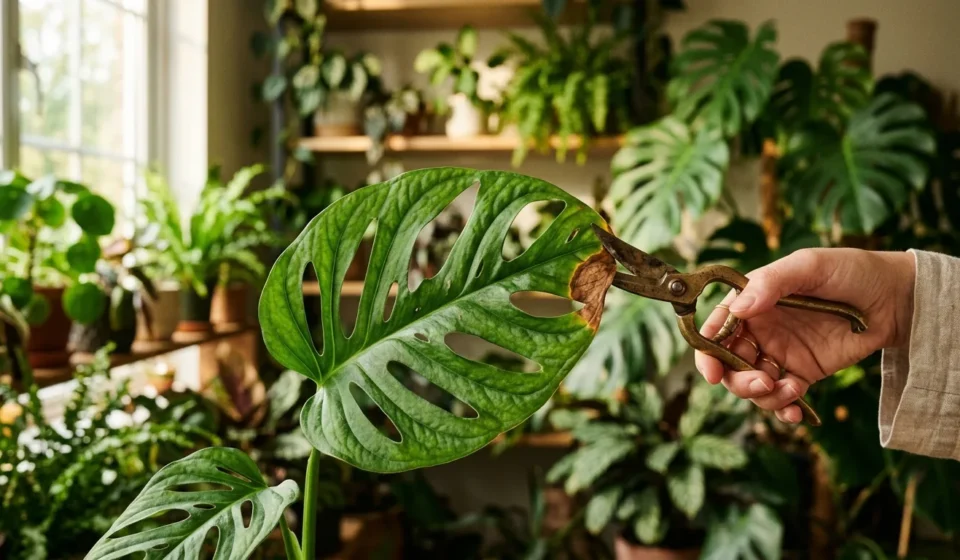
First things first: deal with the existing brown tips. Trimming them off won’t heal the underlying issue, but it will make your plant look better and prevent it from wasting energy on dead tissue. Use a pair of sharp, clean scissors or pruning shears. Cut along the natural shape of the leaf, leaving a tiny sliver of brown if you want to avoid cutting into the healthy green tissue. Always sterilize your tools with rubbing alcohol between plants to prevent the spread of any potential issues.
Step 2: Re-evaluate Your Watering Routine
This is often the most critical adjustment. Forget rigid schedules; instead, learn to water based on your plant’s needs and the soil’s dryness. The golden rule for most houseplants is to water thoroughly when the top 1-2 inches of soil feel dry to the touch. You can check this by sticking your finger into the soil or using a moisture meter, which I highly recommend for beginners. When you do water, soak the soil until water drains out of the bottom of the pot. This ensures the entire root ball gets hydrated and helps flush out excess mineral salts.
To be fair, different plants have different preferences. A succulent might need its soil to dry out completely, while a fern prefers consistently moist (but not soggy) soil. Understand your specific plant’s needs. For instance, if you have a Monstera deliciosa, its general rule of thumb is to let the top couple of inches dry out. If you’ve been waiting until the soil is bone dry all the way through, that’s almost certainly contributing to your plant care dilemma.
Step 3: Boost Humidity Levels
If low humidity is the issue, there are several easy ways to increase it around your plants:
- Pebble Trays: Place a tray filled with pebbles and water beneath your plant’s pot. As the water evaporates, it creates a localized humid microclimate around the plant. Ensure the pot isn’t sitting directly in the water.
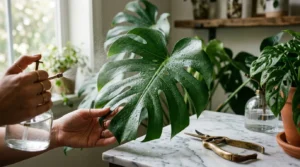
- Misting: While misting offers a temporary humidity boost, it can be effective for plants that enjoy it. Just be mindful of fungal issues if water sits on leaves too long, especially in low light. Mist in the mornings so leaves dry out during the day.
- Group Plants Together: Plants naturally release moisture through their leaves, so grouping them creates a mini-ecosystem with higher humidity.
- Humidifier: For serious humidity lovers like Calatheas or Ferns, an electric humidifier is the most effective solution, especially in dry climates or during winter.
Choose a method that fits your lifestyle and the needs of your particular plants. Consistency is key here; a sporadic misting won’t make a lasting difference.
Step 4: Address Water Quality and Mineral Buildup
If you suspect mineral buildup from tap water or fertilizer, here’s what to do:
- Flush the Soil: Every few months, take your plant to a sink or shower and water it thoroughly for several minutes, allowing water to drain continuously from the bottom. This flushes out accumulated salts.
- Use Filtered or Distilled Water: Consider using filtered water, rainwater, or distilled water, especially for sensitive plants.
- Let Tap Water Sit: If using tap water, let it sit out in an open container for 24 hours before watering. This allows chlorine to dissipate, although it won’t remove fluoride or other minerals.
Honestly, this step can make a huge difference for plants that are particularly fussy about water quality, like the Calathea orbifolia.
Step 5: Review Your Fertilization Habits
When it comes to fertilizer, my motto is “less is more.” If you’re seeing brown tips on houseplants, it’s often better to err on the side of under-fertilizing than over-fertilizing. During the active growing season (spring and summer), use a balanced liquid fertilizer (like a 10-10-10 or 20-20-20, diluted to half or even quarter strength) once every 4-6 weeks. Avoid fertilizing during the dormant winter months when plants aren’t actively growing. If you’ve recently fertilized heavily and now have brown tips, immediately flush the soil as described in Step 4 to remove excess salts.
Common Mistakes to Avoid When Dealing with Brown Tips
Even with the best intentions, it’s easy to make a few missteps when trying to fix your plants. Here are some common pitfalls I’ve observed:
Mistake 1: Over-Trimming or Tearing Leaves
While trimming is helpful, avoid being too aggressive. Don’t tear the leaves, and use clean, sharp tools to make precise cuts. Damaging healthy tissue can stress the plant further or open it up to infection. Focus on just the brown, crispy parts.
Mistake 2: Assuming Only One Cause
Sometimes, brown tips are a result of a combination of factors. What if you’ve fixed your watering, but the tips are still browning? It might be low humidity combined with tap water issues. Take a holistic view and consider all the potential problems, rather than latching onto just one solution that doesn’t fully resolve the issue. An easy houseplant care approach means being observant and flexible.
Mistake 3: Panicking and Over-Correcting
When you see brown tips, it’s natural to want to fix it immediately. However, suddenly making drastic changes to watering, humidity, and fertilization all at once can shock your plant. Make one or two adjustments, give your plant a week or two to respond, and then assess before making further changes. Remember, patience is a plant parent’s best friend.
Mistake 4: Ignoring Drainage
Good drainage is paramount for healthy roots. If your plant is sitting in poorly draining soil or a pot without drainage holes, the roots can suffocate and rot, which leads to similar symptoms as underwatering. Always ensure your pots have drainage holes and that you’re using a well-draining soil mix, such as a blend of potting mix, perlite, and orchid bark.
Quick “What to Do This Week” Takeaway
Alright, let’s distill all this information into immediate, actionable steps you can take this week to start tackling those brown tips:
- Trim the Brown Bits: Grab your clean shears and carefully remove any existing brown, crispy tips.
- Check Soil Moisture Daily: Stick your finger into the soil or use a moisture meter. Only water when the top 1-2 inches feel dry.
- Boost Humidity: Add a pebble tray under your plant, group it with other plants, or consider a small humidifier, especially for tropical varieties like a Calathea orbifolia.
- Mind Your Water: If possible, use filtered water or let tap water sit out overnight before watering.
- Hold Off on Fertilizer: If you’ve recently fertilized or suspect mineral buildup, skip your next fertilization cycle and consider a soil flush.
Brown tips don’t have to be a death sentence for your houseplants. They’re just a signpost, guiding you to better care. By systematically addressing the likely causes and implementing these straightforward solutions, you’ll not only fix the current browning but also build a stronger, healthier environment for your plants to thrive. Happy growing, and remember, Easy Houseplant Care is always here to help you cultivate your indoor jungle with confidence!
Frequently Asked Questions
Why do houseplants get brown tips on their leaves?
Brown tips on houseplants are usually a symptom of environmental stress or improper care, often related to moisture issues in the air or soil. This can be due to underwatering, low humidity, or mineral buildup in the soil. By identifying the root cause, you can take targeted steps to address the issue and restore your plant's health.
How does underwatering affect houseplants?
Underwatering or inconsistent watering can cause houseplants to develop brown tips on their leaves. When a plant doesn't receive enough water, its roots struggle to supply moisture to all parts of the plant, leading to dryness and browning at the leaf tips. Regular and consistent watering is essential to prevent this issue.
What role does humidity play in houseplant health?
Low humidity can cause houseplants to lose moisture too quickly, leading to brown tips on their leaves. Many popular houseplants originate from tropical climates with high humidity, and dry indoor environments can be challenging for them. Using a humidifier or grouping plants together can help maintain a healthier humidity level.
Can fertilizing my houseplants cause brown tips?
Yes, over-fertilizing can cause brown tips on houseplants. Excessive fertilizer can lead to fertilizer burn, where high salt concentrations in the soil draw moisture out of the plant's roots, resulting in root damage and brown tips. It's essential to follow fertilizer instructions carefully and avoid over-fertilizing to prevent this issue.
Can pests or diseases cause brown tips on houseplants?
While less common, pests like spider mites or certain fungal diseases can cause leaf damage that appears as browning, often accompanied by other symptoms like webbing, discoloration, or stunted growth. Regularly inspecting your plants for pests or diseases is crucial to identify and address any potential issues promptly.