Brown Tips Begone! How to Fix and Prevent Crispy Leaves on Your Houseplants

Ever noticed those unsightly brown tips appearing on your otherwise beautiful houseplants?
It’s a common sight for many plant parents, from beginners to seasoned enthusiasts, and frankly, it can be a bit disheartening. Those crispy, discolored leaf edges can make an otherwise thriving plant look sad and neglected. But here’s the good news: brown tips are almost always a cry for help from your plant, and once you understand what it’s trying to tell you, fixing the problem is often surprisingly simple.
Table Of Content
- Ever noticed those unsightly brown tips appearing on your otherwise beautiful houseplants?
- Unmasking the Culprits: Why Are Your Plant Leaves Turning Brown?
- Dehydration & Inconsistent Watering
- Low Humidity
- Mineral Buildup & Over-Fertilization
- Other Less Common Factors
- Your Action Plan: How to Fix Brown Tips Now
- Prune with Precision
- Master Your Watering Routine
- Boost That Humidity
- Prevention is Key: Keeping Crispy Leaves Away for Good
- Choose the Right Potting Mix
- Rethink Your Fertilizer Strategy
- Monitor Light & Temperature
- Common Mistakes to Avoid (and How to Fix Them)
- Quick “What to Do This Week” Takeaway
As your trusted plant parent here at Easy Houseplant Care, I’ve seen my fair share of crispy leaves over the years. I know how frustrating it can be to watch your greenery lose its vibrant appeal. This article will walk you through the real reasons behind those brown tips and, more importantly, give you clear, actionable steps to turn things around. Get ready to reclaim your plant’s lush, healthy look!
Unmasking the Culprits: Why Are Your Plant Leaves Turning Brown?
Before we can fix the problem, we need to understand its roots. Brown tips on houseplants aren’t random; they’re a symptom, a visible signal that something in your plant’s environment or care routine isn’t quite right. Let’s break down the most common reasons.
Dehydration & Inconsistent Watering
This is, in my opinion, the most frequent offender. When a plant doesn’t get enough water, or its watering schedule is erratic, the furthest parts of its leaves – the tips – are the first to suffer. The plant simply can’t transport enough moisture all the way to those extremities, causing the cells there to dry out and die, leading to those classic crispy brown edges.
Inconsistent watering is just as bad. Imagine this situation: you let the soil dry out completely for too long, then you drench it. This boom-and-bust cycle stresses the plant, making it difficult for it to regulate its moisture levels effectively. For example, a Calathea or a Peace Lily, which prefer consistently moist soil, will quickly develop brown tips if left to dry out too much between waterings.
Low Humidity
Many of our beloved houseplants, especially those with large, thin leaves like Monsteras, Fiddle Leaf Figs, or many types of ferns, are originally from tropical rainforests. In their natural habitat, the air is thick with moisture, or what we call humidity. Indoor environments, especially during winter months with heating or in dry climates, often have much lower humidity levels than these plants are accustomed to.
When the air around a plant is too dry, it loses moisture through its leaves faster than its roots can take it up from the soil. This process, called transpiration, goes into overdrive. Just like with underwatering, the tips are the first to dehydrate and turn brown because they’re the furthest from the water source.
Mineral Buildup & Over-Fertilization
Sometimes, the problem isn’t a lack of water, but rather what’s in the water or soil. Tap water can contain various salts and minerals, like chlorine or fluoride, which can accumulate in the soil over time. Similarly, over-fertilizing your plants can lead to a buildup of nutrient salts.
These accumulated salts can actually draw moisture out of your plant’s roots, essentially burning them. The plant then struggles to absorb water, leading to tip burn. This is particularly common in plants that are sensitive to chemicals, like Dracaenas and Spider Plants, which often show fluoride sensitivity with brown leaf tips.
Other Less Common Factors
While less frequent, other issues can contribute to crispy brown tips. Direct, intense sunlight can scorch delicate leaves, causing brown patches or tips, especially on plants that prefer bright indirect light (think bright but filtered sun, like near a north-facing window or a few feet from a south-facing one). Sudden temperature fluctuations or cold drafts can also shock a plant, leading to browning. Lastly, while not a primary cause, severe pest infestations can weaken a plant to the point where it can’t maintain healthy foliage, sometimes manifesting as crispy tips.
Your Action Plan: How to Fix Brown Tips Now
Okay, we’ve identified the suspects. Now, let’s get down to business and give you some concrete steps to revive your plants and prevent future crispiness.
Prune with Precision
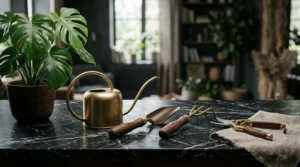
First things first: those existing brown tips won’t magically turn green again. You can safely remove them for aesthetic reasons. Use a pair of sharp, clean scissors or pruning shears. Follow the natural shape of the leaf, cutting just into the green part to ensure you remove all the dead tissue. Don’t worry, this won’t hurt the plant; it’s like giving it a haircut!
Remember, trimming is a cosmetic fix, not a cure. The real work is in addressing the underlying cause. Once you’ve pruned, it’s time to tackle the root of the problem.
Master Your Watering Routine
Honestly, this is often the big one, folks! Most brown tips are a direct result of improper watering. Forget strict schedules and focus on your plant’s needs. The golden rule for most houseplants is to water thoroughly when the top 2 inches of soil feel dry to the touch.
How to water correctly: Take your plant to a sink or tub and water it slowly until water drains out of the bottom of the pot. Let it sit there for about 10-15 minutes to ensure it’s fully drained before returning it to its spot. This prevents soggy roots which can lead to root rot. For plants like a Pothos or ZZ Plant, allowing the soil to dry out a bit more between waterings is fine. However, plants like a Boston Fern or a Stromanthe will prefer their soil to remain consistently moist, not soggy, so check them more frequently.
To be fair, tap water can also be an issue. If you suspect mineral buildup, try using filtered water or simply letting your tap water sit out in an open container for 24 hours before watering. This allows chlorine and other volatile chemicals to evaporate. A simple moisture meter can also be a game-changer, giving you an accurate reading of soil moisture deep within the pot.
Boost That Humidity
If you have tropical plants, humidity is paramount. Here are a few easy ways to increase it:
- Pebble Trays: Place a tray filled with pebbles and water beneath your plant pot. Ensure the pot sits on the pebbles, not directly in the water, to prevent root rot. As the water evaporates, it increases local humidity.
- Humidifier: For a more significant boost, especially if you have many humidity-loving plants like Calatheas, Prayer Plants, or even a large Monstera deliciosa, a small room humidifier can work wonders.
- Group Plants: Plants naturally release moisture into the air. Grouping several plants together can create a mini-microclimate of higher humidity.
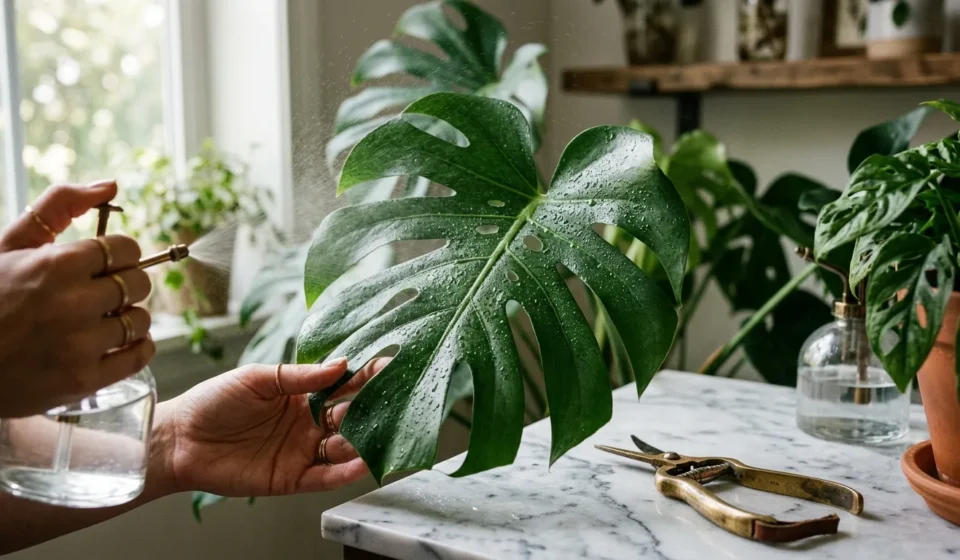
- Misting: While it offers a temporary boost, misting isn’t a long-term solution as the effect wears off quickly. However, it can provide a quick pick-me-up for plants that appreciate it.
Prevention is Key: Keeping Crispy Leaves Away for Good
Once you’ve addressed the immediate issue, it’s time to set up your plants for long-term success. Prevention is always easier than a cure!
Choose the Right Potting Mix
A good foundation starts with the soil. Most houseplants thrive in a well-draining soil mix. This means a mix that holds some moisture but doesn’t become waterlogged, allowing excess water to flow out easily. A standard all-purpose potting mix often benefits from amendments to improve drainage and aeration. For example, a great DIY aroid mix (for plants like Philodendrons, Pothos, Monsteras) could be: 50% high-quality potting mix + 30% perlite + 20% orchid bark.
Always ensure your pot has drainage holes. Without them, water collects at the bottom, leading to root rot and, yes, brown tips.
Rethink Your Fertilizer Strategy
Less is often more when it comes to fertilizer. Over-fertilizing is a common mistake that causes salt buildup and tip burn. During the active growing season (spring and summer), use a balanced liquid fertilizer (e.g., 5-5-5 or 10-10-10) at half the recommended strength, every 4-6 weeks. Skip fertilizing entirely in fall and winter when most plants are dormant.
To prevent salt buildup, occasionally “flush” your soil. Every few months, water your plant thoroughly until water drains from the bottom, then let it drain for a good 30 minutes, and then water it again. This helps wash away accumulated salts.
Monitor Light & Temperature
Every plant has its preferred light and temperature range. Ensure your plants are getting the right amount of light – generally, most houseplants prefer bright indirect light. Avoid placing delicate plants in direct, scorching sun, especially during the hottest parts of the day. Similarly, protect your plants from sudden temperature drops or drafts from open windows and air conditioning vents. A Snake Plant ‘Laurentii’ might tolerate lower light conditions, but even it will appreciate consistent, moderate temperatures to prevent stress.
Common Mistakes to Avoid (and How to Fix Them)
It’s easy to fall into traps when troubleshooting. But what would you do in this situation? You see brown tips, you assume it’s thirsty, and you water more, only to make things worse if the problem was actually low humidity or mineral buildup. Here are some common missteps:
- Overwatering after seeing brown tips: Assuming all brown tips mean underwatering can lead to root rot. Always check soil moisture first!
- Ignoring water quality: If you live in an area with hard water or chlorinated tap water, it might be the silent killer of your plant tips. Filter or let water sit.
- Fertilizing a stressed plant: Never fertilize a plant that is already struggling or showing signs of stress. It can do more harm than good.
- Not checking soil moisture before watering: This is the cardinal sin! A schedule is a guide, but your finger in the soil is the ultimate judge.
Quick “What to Do This Week” Takeaway:
This week, make it a point to:
- Check your soil moisture religiously: Stick your finger 2 inches deep. Only water if it feels dry.
- Mist your humidity-loving plants: Give them a quick spritz daily if you don’t have a humidifier or pebble tray.
- Trim any existing brown tips: Give your plant a fresh, clean look.
- Observe: Pay attention to your plant’s response to these changes. It will tell you what it needs!
There you have it! Those crispy brown tips don’t have to be a permanent feature of your indoor jungle. With a little observation, some simple adjustments to your watering, humidity, and feeding routines, you can help your houseplants recover and truly thrive. Remember, every plant is a living being trying its best to communicate with you. By listening to its signals, like those brown leaf tips, you’re on your way to becoming an even more intuitive and successful plant parent. Keep learning, keep growing, and enjoy your beautiful, happy plants!