
Watering Your Houseplants Made Easy: The Ultimate Guide

Understanding Your Plant’s Thirst: Why “One Size Fits All” Doesn’t Work
Watering is often considered the trickiest part of houseplant care, and honestly, it’s where most beginners stumble. But what if I told you it doesn’t have to be complicated? The key isn’t a rigid schedule, but rather understanding your plant’s individual needs. Think of it like this: a cactus from the desert won’t drink the same amount or as often as a fern from a rainforest. Every plant has a unique rhythm, and our job as plant parents is to learn to listen to it.
Table Of Content
- Understanding Your Plant’s Thirst: Why “One Size Fits All” Doesn’t Work
- The Art of Watering: How to Do It Right Every Time
- The “Soak and Dry” Method
- Bottom Watering
- Tools of the Trade
- Beyond the Basics: When, How Much, and With What?
- Timing is Everything: Seasonal Adjustments
- Water Quality Matters</h3< Believe it or not, the type of water you use can make a difference. Most tap water is fine, but if you have particularly hard water (high mineral content) or water with chlorine/chloramines, it can accumulate in the soil and affect sensitive plants over time. Leaving tap water out in an open container overnight allows chlorine to dissipate. Alternatively, using filtered water or even collected rainwater can be beneficial for fussier plants like Calatheas or Ferns. Drainage, Drainage, Drainage!
- Troubleshooting Watering Woes: Common Mistakes and Solutions
- The Perils of Overwatering
- The Stress of Underwatering
- Quick “What to Do This Week” Takeaway
The biggest mistake people make is watering on a fixed calendar schedule, like “every Wednesday.” This approach ignores crucial factors such as humidity levels in your home, the season, the type of pot, and even the size of your plant. Instead, we need to learn to assess soil moisture. For instance, succulents like the Snake Plant (‘Laurentii’) or ZZ Plant prefer their soil to dry out completely between waterings, while tropical beauties like a Calathea orbifolia or Pothos prefer consistently moist (but never soggy) soil, meaning they’ll need water when the top inch or two feels dry.
So, how do you know when? The simplest, most reliable method is the finger test. Stick your finger about two inches deep into the soil. If it feels dry, it’s probably time to water. If it feels damp, wait a few more days and check again. This tactile approach, combined with visual cues from your plant, will become your most valuable tool.
The Art of Watering: How to Do It Right Every Time
Once you’ve determined your plant is thirsty, the next step is applying the water correctly. There are a couple of primary methods that work wonders, each with its own benefits. Getting the technique right prevents problems like root rot, a common issue caused by roots sitting in stagnant, overly wet soil, leading to decay.
The “Soak and Dry” Method
This is my go-to for most houseplants. When it’s time to water, take your plant to a sink or bathtub. Water thoroughly from the top until water starts to drain out of the pot’s drainage holes. Don’t be shy with the water; you want to ensure the entire root ball gets saturated. Let the pot sit and drain for about 10-15 minutes, allowing excess water to escape. This ensures all parts of the soil are moistened and salts are flushed out, preventing buildup that can harm roots.
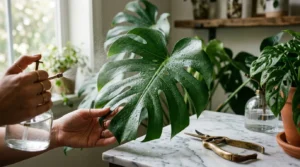
For example, imagine you have a Monstera deliciosa. You check the soil, and it’s dry two inches down. Take it to the tub, give it a good soak, watching the water pour out the bottom. Leave it to drain fully before returning it to its spot. This “soak and dry” approach encourages healthy root development as roots stretch to find moisture, rather than lingering at the surface.
Bottom Watering
Bottom watering is fantastic for plants that are particularly sensitive to having wet leaves (like African Violets or some Calatheas), or for plants whose soil has become so dry it’s pulling away from the edges of the pot and resisting top watering. To do this, place your potted plant (with drainage holes!) into a tray, tub, or sink filled with a few inches of water. The plant will absorb water through its drainage holes.
Let it sit for 20-30 minutes, or until the top layer of soil feels damp. You might even see the soil surface visibly darken as it absorbs moisture. Once done, remove the plant and let any excess water drain out completely before returning it to its spot. This method encourages deeper root growth and helps prevent fungal issues on foliage.
Tools of the Trade
While your finger is a great tool, a moisture meter can be a game-changer, especially for beginners or those with many plants. You simply insert the probe into the soil, and it gives you a reading from dry to wet. I often recommend a simple, inexpensive moisture meter to new plant parents because it takes the guesswork out of it. It’s like having a little plant assistant! A good watering can with a long, slender spout is also essential for precise watering without disturbing the foliage or splashing soil everywhere.
Beyond the Basics: When, How Much, and With What?
So far, we’ve covered the fundamental “how-to” of watering. Now let’s get to the really critical points that separate thriving plants from merely surviving ones. It’s not just about the method, but the bigger picture of your plant’s environment.
Timing is Everything: Seasonal Adjustments
Plants, like us, have seasons of activity. During the growing season (typically spring and summer), plants are actively producing new leaves and roots, so they’ll need more frequent watering. Their metabolism is in high gear! Conversely, during dormancy (fall and winter for most), growth slows down significantly, and they require less water. Adjust your watering frequency accordingly – checking the soil every 7-10 days might become every 2-3 weeks in winter. The amount of light your plant receives also heavily influences its watering needs; a plant in bright indirect light will dry out faster than one in low light.
Water Quality Matters</h3<
Believe it or not, the type of water you use can make a difference. Most tap water is fine, but if you have particularly hard water (high mineral content) or water with chlorine/chloramines, it can accumulate in the soil and affect sensitive plants over time. Leaving tap water out in an open container overnight allows chlorine to dissipate. Alternatively, using filtered water or even collected rainwater can be beneficial for fussier plants like Calatheas or Ferns.
Drainage, Drainage, Drainage!
This cannot be stressed enough: drainage holes are non-negotiable. A pot without drainage is a death trap for most houseplants, leading directly to root rot. Always ensure your pots have holes at the bottom to allow excess water to escape. Furthermore, using a well-draining soil mix is crucial. A typical recipe I often recommend is 50% high-quality potting mix, 30% perlite (for aeration), and 20% orchid bark (for chunky drainage). This combination ensures air pockets in the soil, preventing compaction and waterlogging.
Troubleshooting Watering Woes: Common Mistakes and Solutions
Even with the best intentions, things can go awry. Understanding the symptoms of incorrect watering is your first step to saving a struggling plant. Don’t worry, we’ve all been there!
The Perils of Overwatering
This is the number one killer of houseplants. Symptoms include yellowing leaves (especially lower ones), mushy stems or leaf bases, stunted growth, and a general droopy appearance even when the soil is wet. If you gently unpot the plant, you might see dark, mushy roots – a clear sign of root rot. To fix this, immediately stop watering, let the soil dry out, and consider repotting into fresh, dry soil after trimming any rotted roots.
The Stress of Underwatering
While less common than overwatering, underwatering can also harm your plants. Symptoms include drooping or wilting leaves (which might perk up after watering), crispy or brittle leaf edges, slow growth, and dry, compacted soil that pulls away from the pot edges. The good news is, underwatered plants are often easier to revive. Give your plant a thorough soak using the “soak and dry” method, or bottom water it until the soil is fully rehydrated. It might take a few hours or even a day, but many plants bounce back beautifully.
But what if you’re not sure which it is? A moisture meter is your best friend here. If the meter reads “wet” and the plant is droopy, it’s likely overwatering. If it reads “dry” and the plant is droopy, it’s underwatering. Simple, right?
Quick “What to Do This Week” Takeaway
- Check Soil Moisture: Stick your finger two inches deep into the soil of all your plants. If it feels dry, proceed to water.
- Water Thoroughly: Use the “soak and dry” method, watering until water drains from the bottom. Let it drain completely.
- Observe Your Plants: Look for any yellowing, drooping, or crispy leaves. These are your plant’s signals!
- Consider a Moisture Meter: If you’re still unsure, grab an inexpensive moisture meter for foolproof readings.
Watering doesn’t have to be a source of anxiety. By understanding your plant’s needs, using proper techniques, and paying attention to its signals, you’ll develop an intuitive sense for when and how much to water. This guide on Easy Houseplant Care | Simple Indoor Plant Tips is designed to empower you, transforming watering from a chore into a confident act of nurture. So go ahead, trust your instincts, and enjoy watching your indoor garden flourish!