Why Are My Plant’s Leaves Turning Yellow? Your Quick Troubleshooting Guide

There’s nothing quite like the sight of a vibrant, healthy houseplant adding life to your home. But then, you spot it: a dreaded yellow leaf. For many plant parents, this can feel like an emergency, a sign that something is terribly wrong. Honestly, I’ve been there dozens of times, inspecting every inch of a leaf, wondering what I did wrong!
Table Of Content
- The Water Dance: Are You Overwatering or Underwatering?
- Overwatering: The Silent Killer
- Underwatering: Thirsty Leaves
- The Light Spectrum: Are You Shining Bright Enough (or Too Much)?
- Insufficient Light: Reaching for the Sun
- Too Much Light/Sunburn: Bleached Out
- Hungry or Overfed? Nutrient Imbalances
- Nutrient Deficiency: Missing Meals
- Nutrient Burn/Excess: Too Much of a Good Thing
- Uninvited Guests & Environmental Stress
- Pests & Diseases
- Environmental Shock & Repotting Stress
- Quick What-To-Do This Week Takeaway
- Frequently Asked Questions
- What are the common reasons for yellowing leaves in houseplants?
- How can I tell if my plant is overwatered or underwatered?
- What is the fix for overwatered plants?
- Can underwatering also cause yellow leaves?
- How can I provide the right amount of light for my plant?
The good news is that yellowing leaves, while a clear signal, are often a symptom of a common, easily fixable issue. Your plant is simply trying to communicate! On Easy Houseplant Care, our goal is to help you understand these signals without the stress. This guide will walk you through the most frequent culprits behind yellowing leaves, helping you diagnose the problem and get your green companions back to their best.
The Water Dance: Are You Overwatering or Underwatering?
Watering is arguably the trickiest part of houseplant care because it’s so easy to get wrong. Both too much and too little water can lead to yellow leaves, but they present slightly different clues.
Overwatering: The Silent Killer
This is probably the most common reason for yellow leaves. When you overwater, your plant’s roots sit in soggy soil, which deprives them of oxygen. Without oxygen, the roots can’t properly absorb water and nutrients, leading to root rot. Root rot is a fungal disease that literally causes the roots to decay.
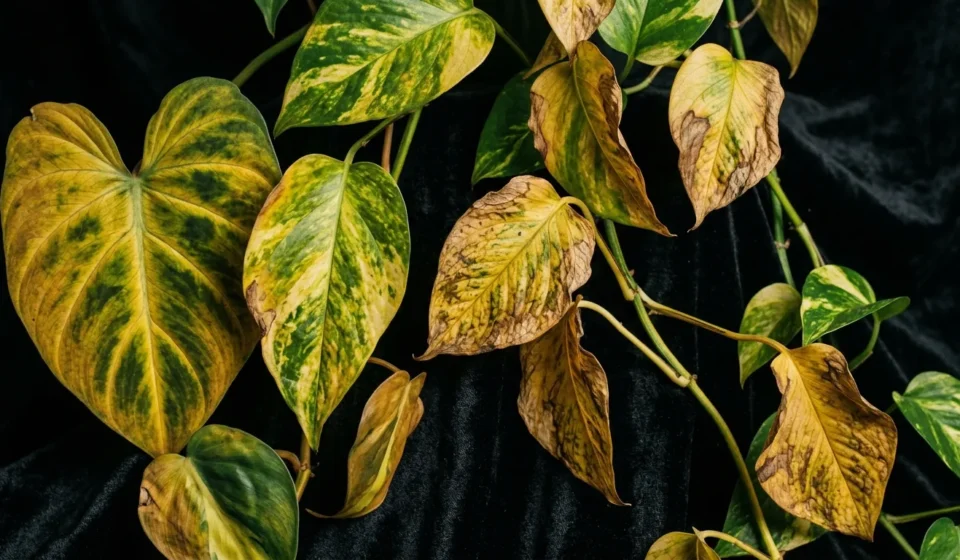
- Signs: Leaves turn yellow, often starting from the bottom of the plant, and may feel soft or mushy. Stems might also feel soft or squishy, and the soil stays wet for a long time. You might even notice a foul smell.
- The Fix: First, check the soil moisture with your finger or a moisture meter. If it’s soaking wet, let it dry out significantly. If the situation is severe, you might need to repot your plant into fresh, well-draining soil (a mix that allows water to pass through easily, preventing waterlogging). Trim off any mushy, brown, or black roots before repotting. Always ensure your pot has drainage holes!
A good rule of thumb is to water only when the top 2-3 inches of soil feel dry to the touch. For many plants, this could be every 7-10 days, but it varies wildly based on plant type, pot size, and environmental conditions.
Underwatering: Thirsty Leaves
While less common than overwatering, underwatering can also stress a plant to the point of yellowing. If a plant isn’t getting enough water, it can’t perform basic functions, and leaves will suffer.
- Signs: Leaves turn yellow, often starting from the tips or edges, and may become crispy or dry before eventually turning brown. The plant might look droopy or wilted, and the soil will be bone dry.
- The Fix: Give your plant a thorough watering until water drains from the bottom of the pot. For severely dry plants, you can even let the pot sit in a tray of water for 30 minutes to allow the soil to rehydrate from the bottom up. Establish a consistent watering schedule based on your plant’s needs and environmental conditions.
For example, imagine this situation: You’ve just brought home a beautiful Monstera deliciosa, and a week later, the lower leaves start turning yellow and crispy. You check the soil, and it’s rock-hard dry. Bingo! It’s likely thirsty. A good soak should bring it back to life.
The Light Spectrum: Are You Shining Bright Enough (or Too Much)?
Light is food for plants, and like humans, they need the right amount. Too little or too much light can cause stress and lead to yellowing.
Insufficient Light: Reaching for the Sun
Plants need light for photosynthesis, the process where they convert light energy into chemical energy. If a plant isn’t getting enough light, it can’t produce enough chlorophyll (the pigment that makes leaves green), leading to pale or yellow leaves.
- Signs: Leaves become pale yellow or lime green, often on older leaves, and new growth might be stunted or leggy (stretched out with large spaces between leaves). Plants like Pothos might lose their variegation.
- The Fix: Move your plant to a location with bright indirect light – a spot that receives plenty of light but isn’t directly exposed to harsh sunbeams (like a few feet from a south- or west-facing window, or right next to an east-facing window). Consider supplementing with a grow light during darker winter months.
Too Much Light/Sunburn: Bleached Out
Just as too little light is bad, too much direct, intense sunlight can also be harmful, especially for plants that prefer shadier conditions.
- Signs: Leaves develop bleached-out yellow or white patches, often with crispy brown edges. This usually appears on the leaves directly exposed to the sun.
- The Fix: Move your plant further away from the window or use a sheer curtain to diffuse the light. Plants like Calathea orbifolia are particularly sensitive to direct sun and will quickly show signs of stress.
Think of it this way: a Snake Plant (‘Laurentii’ cultivar) can tolerate lower light but will thrive in brighter indirect light. Put it in a dark corner, and it might get pale. Put a Calathea in direct afternoon sun, and you’ll see those beautiful patterns fade and crisp.
Hungry or Overfed? Nutrient Imbalances
Plants, like all living things, need nutrients to grow. A deficiency or an excess of certain nutrients can manifest as yellowing leaves.
Nutrient Deficiency: Missing Meals
Over time, plants can deplete the nutrients in their potting mix. Nitrogen deficiency is a common culprit for general yellowing, especially in older leaves, as nitrogen is crucial for chlorophyll production.
- Signs: General yellowing of older leaves, sometimes with veins remaining green. Specific deficiencies can show different patterns (e.g., iron deficiency often shows yellowing between veins on new growth).
- The Fix: Fertilize your plant with a balanced liquid houseplant fertilizer (like a 10-10-10 or 20-20-20, diluted to half strength) every 2-4 weeks during the growing season (spring and summer). For a quick boost, consider a foliar feed.
Nutrient Burn/Excess: Too Much of a Good Thing
It’s easy to think more fertilizer equals more growth, but in reality, too much fertilizer can burn the roots and lead to yellowing.
- Signs: Yellowing and browning leaf tips or margins, often accompanied by a white crust on the soil surface (salt buildup).
- The Fix: Flush the soil by pouring a large amount of plain water through it (2-3 times the pot volume) to wash away excess salts. Reduce your fertilizing frequency or strength.
Uninvited Guests & Environmental Stress
Beyond water, light, and nutrients, other factors can cause your plant’s leaves to turn yellow. Let me add something here: sometimes it’s not just one thing, but a combination, which makes observation key.
Pests & Diseases
Tiny invaders can suck the life out of your plant. Spider mites, mealybugs, and scale insects feed on plant sap, weakening the plant and causing yellow spots or overall yellowing.
- Signs: Tiny yellow stippling on leaves, sticky residue (honeydew), visible pests, webbing (spider mites), or fuzzy white spots (mealybugs).
- The Fix: Isolate the plant. Use neem oil spray or insecticidal soap. For larger infestations, you might need to prune affected areas. Inspect new plants carefully before introducing them to your home!
Environmental Shock & Repotting Stress
Plants don’t like sudden changes. A drastic drop in temperature, a cold draft, very low humidity, or the stress of repotting can all lead to yellowing leaves.
- Signs: Sudden, widespread yellowing and leaf drop after a change in environment or recent repotting.
- The Fix: Provide a stable environment with consistent temperatures (ideally 65-75°F / 18-24°C). Increase humidity around humidity-loving plants (Calathea, Ferns) with a pebble tray or humidifier. After repotting, be patient; your plant needs time to adjust.
A common mistake I see is panic-repoting a plant with yellow leaves when the issue is actually watering or light. To be fair, it’s easy to jump to conclusions, but that just adds more stress to an already struggling plant. Never make multiple changes at once! Change one variable, wait a week or two, and then assess.
Quick What-To-Do This Week Takeaway
Feeling overwhelmed? Here’s your quick checklist to troubleshoot those yellow leaves right now:
- Check Soil Moisture: Stick your finger 2-3 inches deep. Is it soaking wet (overwatering) or bone dry (underwatering)? Adjust your watering schedule immediately.
- Assess Light: Is your plant getting direct sun when it prefers indirect, or is it in a dark corner? Move it to a more appropriate spot.
- Inspect for Pests: Look closely under leaves and along stems for any tiny critters or sticky residue. If found, treat with neem oil.
- Consider Fertilization: If you haven’t fertilized in months (and it’s growing season), consider a diluted feed. If you’ve fertilized recently, flush the soil.
- Review Environment: Has there been a sudden temperature change or low humidity? Try to stabilize conditions.
Yellow leaves are a natural part of a plant’s life cycle – sometimes, older leaves simply die off. But if you’re seeing widespread or sudden yellowing, it’s a clear cry for help. By systematically checking these common causes, you’ll be well on your way to understanding your plant’s needs and helping it thrive. Remember, every yellow leaf is a learning opportunity, and with a little detective work, you can turn those sad yellows back to vibrant greens. Happy growing!
Frequently Asked Questions
What are the common reasons for yellowing leaves in houseplants?
The most common reasons for yellowing leaves in houseplants are overwatering and underwatering. Overwatering can cause root rot, while underwatering can stress the plant and prevent it from performing basic functions. Both can lead to yellow leaves, but they present slightly different clues. It's essential to identify the cause to provide the right solution for your plant.
How can I tell if my plant is overwatered or underwatered?
To determine if your plant is overwatered or underwatered, check the soil moisture with your finger or a moisture meter. If the soil is soaking wet, it may be overwatered. If the soil is bone dry, it may be underwatered. Look for other signs such as soft or mushy leaves and stems, or crispy and dry leaves. You can also check for a foul smell, which can indicate root rot.
What is the fix for overwatered plants?
If your plant is overwatered, the first step is to let the soil dry out significantly. If the situation is severe, you may need to repot your plant into fresh, well-draining soil. Trim off any mushy, brown, or black roots before repotting. Always ensure your pot has drainage holes to prevent waterlogging. A good rule of thumb is to water only when the top 2-3 inches of soil feel dry to the touch.
Can underwatering also cause yellow leaves?
Yes, underwatering can also stress a plant and cause yellow leaves. If a plant isn't getting enough water, it can't perform basic functions, and leaves will suffer. Signs of underwatering include yellow leaves that start from the tips or edges and become crispy or dry before eventually turning brown. The plant may also look droopy or wilted, and the soil will be bone dry.
How can I provide the right amount of light for my plant?
Light is essential for plants, and the right amount can vary depending on the plant species. Insufficient light can cause pale or yellow leaves, while too much light can also stress the plant. Move your plant to a location with bright, indirect light, and avoid direct sunlight, which can cause burning. Some plants, like Pothos, can thrive in low-light conditions, while others may require more light to photosynthesize and produce chlorophyll.