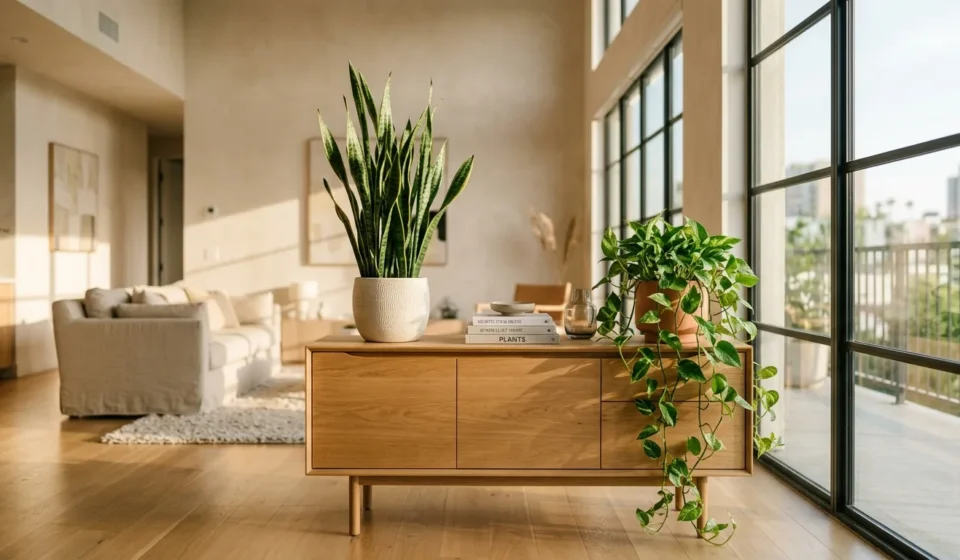
10 Resilient Houseplants for Busy Beginners to Easily Thrive With

Ever dreamed of a home filled with lush, vibrant greenery but felt overwhelmed by the thought of complicated care routines? You’re not alone. Many aspiring plant parents hesitate, fearing they lack a “green thumb” or simply don’t have enough time. But what if I told you that having a thriving indoor jungle doesn’t require hours of dedication or a horticulture degree? It’s absolutely possible to enjoy the beauty and benefits of houseplants, even with the busiest of schedules. The secret lies in choosing the right plants – those that are incredibly forgiving, resilient, and practically thrive on a bit of neglect.
Table Of Content
- Why Low-Maintenance Plants Are Your Best Green Investment
- The Top 10 Unfussy Houseplants That Practically Care for Themselves
- 1. Snake Plant (Sansevieria trifasciata)
- 2. ZZ Plant (Zamioculcas zamiifolia)
- 3. Pothos (Epipremnum aureum)
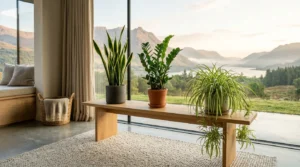
- 4. Spider Plant (Chlorophytum comosum)
- 5. Peace Lily (Spathiphyllum)
- 6. Cast Iron Plant (Aspidistra elatior)
- 7. Aloe Vera (Aloe barbadensis miller)
- 8. Chinese Evergreen (Aglaonema)
- 9. Dracaena (various species like Marginata, Lisa, Lemon Lime)
- 10. Heartleaf Philodendron (Philodendron hederaceum)
- General Care Tips for Long-Term Success (Even with Easy Plants)
- Understanding Light Requirements
- The Golden Rule of Watering
- Choosing the Right Soil Mix
- Fertilizing for a Boost, Not a Burden
- Common Pitfalls to Avoid (Even with These Easy Plants)
- Overwatering is the #1 Killer
- Ignoring Lighting Cues
- Skipping Drainage Holes
- Your Quick “What to Do This Week” Takeaway
- Frequently Asked Questions
- What are the benefits of having low-maintenance houseplants?
- How often should I water my Snake Plant?
- What makes the ZZ Plant so drought-tolerant?
- How do I care for my Pothos plant?
- Why are Spider Plants a great choice for indoor gardening?
Here at Easy Houseplant Care, we believe everyone deserves the joy of indoor plants. That’s why I’ve curated a list of 10 powerhouse plants that are perfect for beginners, apartment dwellers, office workers, or anyone looking for maximum green impact with minimal effort. These aren’t just pretty faces; they’re nature’s ultimate low-maintenance superstars, ready to transform your space without demanding your constant attention.
Why Low-Maintenance Plants Are Your Best Green Investment
Life moves fast, and adding another chore to your already packed schedule can feel daunting. This is precisely where low-maintenance houseplants shine. They don’t just tolerate a bit of forgetfulness; in many cases, they prefer it! For example, imagine this situation: you’ve had an unexpectedly hectic week, and you completely forgot to water your plants. A fussy plant might already be staging a dramatic wilt, but a resilient one will likely shrug it off, patiently waiting for your return.
Choosing plants that don’t demand constant vigilance reduces stress and prevents that sinking feeling of “plant parent guilt.” These plants are typically adaptable to various light conditions, can go longer between waterings, and aren’t prone to every pest under the sun. This means less troubleshooting, less worrying, and more simply enjoying the beauty they bring to your environment. Honestly, based on my experience, starting with these easy-going varieties is the best way to build confidence and truly enjoy your journey into indoor gardening.
The Top 10 Unfussy Houseplants That Practically Care for Themselves
Ready to meet your new low-maintenance best friends? These plants are selected for their incredible resilience and forgiving nature, making them perfect for even the most forgetful plant parent.
1. Snake Plant (Sansevieria trifasciata)
Often called “Mother-in-Law’s Tongue,” the Snake Plant is the undisputed champion of neglect. It can tolerate incredibly low light conditions, although it will grow faster and more vibrantly in medium to bright indirect light. The key to its care is infrequent watering; allow the soil to dry out completely between waterings, typically every 2-4 weeks. Overwatering is its only real enemy.
2. ZZ Plant (Zamioculcas zamiifolia)
The ZZ Plant is another incredibly tough contender, known for its thick, waxy leaves that store water, making it extremely drought-tolerant. It thrives in low to bright indirect light and can go for weeks, even a month or more, without water. Its rhizomes, which are underground stems that store water, are key to its survival. A well-draining soil mix is crucial, perhaps a blend of 50% potting mix and 50% perlite, to prevent root rot.
3. Pothos (Epipremnum aureum)
Pothos is a classic for a reason – it’s incredibly versatile and forgiving. It tolerates a wide range of light conditions, from low to bright indirect light, and its trailing vines look fantastic in hanging baskets or climbing shelves. Water when the top 2-3 inches of soil feel dry to the touch, which might be every 7-10 days depending on your environment. It’s also super easy to propagate from cuttings, making it perfect for sharing!
4. Spider Plant (Chlorophytum comosum)
Spider Plants are renowned for their ease of care and air-purifying qualities. They prefer bright indirect light but can adapt to lower light levels. They’ll tell you when they’re thirsty by their leaves looking a bit dull, but they bounce back quickly after a good drink. The “spiderettes” (baby plants) they produce are a fun bonus, easily rooted in water or soil to create new plants.
5. Peace Lily (Spathiphyllum)
While often associated with medium light, Peace Lilies are fantastic for beginners because they are incredibly communicative. When they need water, their leaves will dramatically droop, practically begging for a drink. Give them a good soak, and they’ll perk right up within an hour or two! They prefer consistent moisture but will forgive occasional dryness. Keep them in medium to bright indirect light for the best blooms.
6. Cast Iron Plant (Aspidistra elatior)
Living up to its name, the Cast Iron Plant is one of the toughest houseplants you can find. It tolerates low light, neglectful watering, wide temperature fluctuations, and even dust. If you’re someone who genuinely forgets about plants for extended periods, this is your champion. Water sparingly, only when the soil is completely dry.
7. Aloe Vera (Aloe barbadensis miller)
Not just a pretty face, Aloe Vera is also a medicinal marvel. As a succulent, it stores water in its fleshy leaves, making it very drought-tolerant. It thrives in bright, indirect light and needs infrequent watering, allowing the soil to dry out completely between sessions. A well-draining succulent soil mix is ideal for happy roots.
8. Chinese Evergreen (Aglaonema)
These beautiful foliage plants come in a stunning array of colors and patterns, and they are incredibly adaptable. Chinese Evergreens tolerate low to medium indirect light and prefer their soil to dry out slightly between waterings. They’re quite forgiving if you miss a watering here and there, making them a stylish yet low-stress choice.
9. Dracaena (various species like Marginata, Lisa, Lemon Lime)
There are many varieties of Dracaena, all known for their architectural forms and relative ease of care. They appreciate medium to bright indirect light but can tolerate lower light. Water when the top few inches of soil are dry. Be mindful that Dracaenas can be sensitive to fluoride in tap water, so using filtered water or letting tap water sit out overnight can be beneficial.
10. Heartleaf Philodendron (Philodendron hederaceum)
Similar to Pothos in its care requirements, the Heartleaf Philodendron features lovely heart-shaped leaves and a trailing habit. It’s incredibly forgiving of missed waterings and thrives in a range of light conditions, from low to bright indirect. It’s another excellent choice for beginners and very easy to propagate in water, allowing you to quickly expand your plant collection.
General Care Tips for Long-Term Success (Even with Easy Plants)
Even though these plants are superstars of self-sufficiency, a few basic principles will ensure they don’t just survive but truly flourish. These simple guidelines will help you build good habits without adding complexity to your routine.
Understanding Light Requirements
When we talk about “bright indirect light,” think of a spot near a window that gets plenty of light throughout the day, but where the sun’s rays don’t directly hit the plant’s leaves. Direct, harsh sunlight can scorch the leaves of many indoor plants. “Medium light” means a spot a bit further from the window, or a north-facing window. “Low light” means a corner or room with minimal natural light, but remember, no plant truly thrives in zero light – they still need *some* light to photosynthesize.
The Golden Rule of Watering
Forget strict schedules like “water every 7 days.” The absolute best way to determine when to water is to feel the soil. Stick your finger about 2 inches deep into the pot. If it feels dry, it’s time to water. If it still feels damp, wait a few more days. I always recommend a moisture meter as a beginner-friendly tool for less guesswork. When you do water, water thoroughly until it drains out the bottom – this ensures the entire root ball gets hydrated. Always use pots with drainage holes; this is non-negotiable for healthy roots!
Choosing the Right Soil Mix
For most of these low-maintenance plants, a general well-draining potting mix is sufficient. “Well-draining soil mix” refers to a soil that allows excess water to pass through quickly, preventing the roots from sitting in soggy conditions, which leads to root rot. If you want to go a step further, consider amending your potting mix with perlite or orchid bark (about 20-30% of the total volume) to improve aeration and drainage, especially for succulents like Aloe Vera or drought-lovers like ZZ Plants.
Fertilizing for a Boost, Not a Burden
Low-maintenance plants generally don’t need much fertilizer. During their active growing season (spring and summer), you can feed them with a balanced liquid fertilizer, like a 10-10-10 or 20-20-20, diluted to half strength, once every 4-6 weeks. Skip fertilizing entirely during fall and winter when most plants are dormant and not actively growing. Less is definitely more here!
Common Pitfalls to Avoid (Even with These Easy Plants)
Even the toughest plants can suffer from a few common mistakes. Knowing these pitfalls will help you keep your plants happy and healthy with minimal effort.
Overwatering is the #1 Killer
This is by far the most frequent mistake. When in doubt, don’t water! It’s much easier to revive an underwatered plant than an overwatered one with root rot. Always check the soil moisture before watering.
Ignoring Lighting Cues
While these plants are adaptable, pushing their limits too much can cause issues. A “low light tolerant” plant will still look sad and leggy in a completely dark room. Pay attention to your plant’s growth – if it’s stretching towards the light or its leaves are losing vibrancy, it might need a brighter spot.
Skipping Drainage Holes
As mentioned, pots without drainage holes are a recipe for disaster. If you love a decorative pot without drainage, simply keep your plant in a slightly smaller nursery pot with holes, and place it inside the decorative planter. This allows for easy removal for watering and drainage.
Your Quick “What to Do This Week” Takeaway
This week, choose one of these fantastic low-maintenance plants to bring into your home. Place it in a spot with appropriate light, and before you water, remember the golden rule: stick your finger into the soil. Water only if the top 2 inches are dry. That’s it! You’ve successfully started your journey to becoming a confident plant parent.
You don’t need a perfectly green thumb or endless free time to enjoy the beauty and tranquility that houseplants bring. By choosing these resilient, easy-going varieties and following a few simple, actionable steps, you’ll be well on your way to a thriving indoor oasis. These plants truly are the perfect companions for busy beginners, proving that beautiful greenery can indeed be simple and stress-free. Welcome to the wonderful world of easy houseplant care!
Frequently Asked Questions
What are the benefits of having low-maintenance houseplants?
Low-maintenance houseplants are perfect for busy individuals as they reduce stress and prevent 'plant parent guilt.' They are adaptable to various light conditions, can go longer between waterings, and aren't prone to pests, making them a great choice for those new to indoor gardening. With these plants, you can enjoy the beauty and benefits of having plants in your home without the hassle of complicated care routines. They are also a great way to build confidence and start your journey into indoor gardening.
How often should I water my Snake Plant?
The Snake Plant is incredibly resilient and can tolerate infrequent watering. It's recommended to allow the soil to dry out completely between waterings, which is typically every 2-4 weeks. Overwatering is the only real enemy of the Snake Plant, so it's better to err on the side of caution and underwater slightly. This makes it a great choice for busy individuals or those who tend to forget to water their plants.
What makes the ZZ Plant so drought-tolerant?
The ZZ Plant is extremely drought-tolerant due to its thick, waxy leaves that store water. Its rhizomes, which are underground stems, also store water, making it possible for the plant to go for weeks or even a month or more without water. A well-draining soil mix is crucial to prevent root rot, and a blend of 50% potting mix and 50% perlite is recommended. This makes the ZZ Plant a great choice for those who tend to forget to water their plants or have a busy schedule.
How do I care for my Pothos plant?
Pothos is a versatile and forgiving plant that tolerates a wide range of light conditions, from low to bright indirect light. Water your Pothos when the top 2-3 inches of soil feel dry to the touch, which is typically every 7-10 days depending on your environment. It's also easy to propagate from cuttings, making it perfect for sharing with friends and family. With its trailing vines, Pothos looks fantastic in hanging baskets or climbing shelves, making it a great addition to any room.
Why are Spider Plants a great choice for indoor gardening?
Spider Plants are renowned for their ease of care and air-purifying qualities, making them a great choice for indoor gardening. They prefer bright indirect light but can adapt to lower light levels, and they're easy to care for. Spider Plants are also great air purifiers, making them a fantastic addition to any room. With their easy-to-care-for nature and numerous benefits, Spider Plants are a great choice for anyone looking to start their indoor gardening journey.