Pet-Friendly Plants: Cultivating a Safe Indoor Oasis for Your Furry Friends

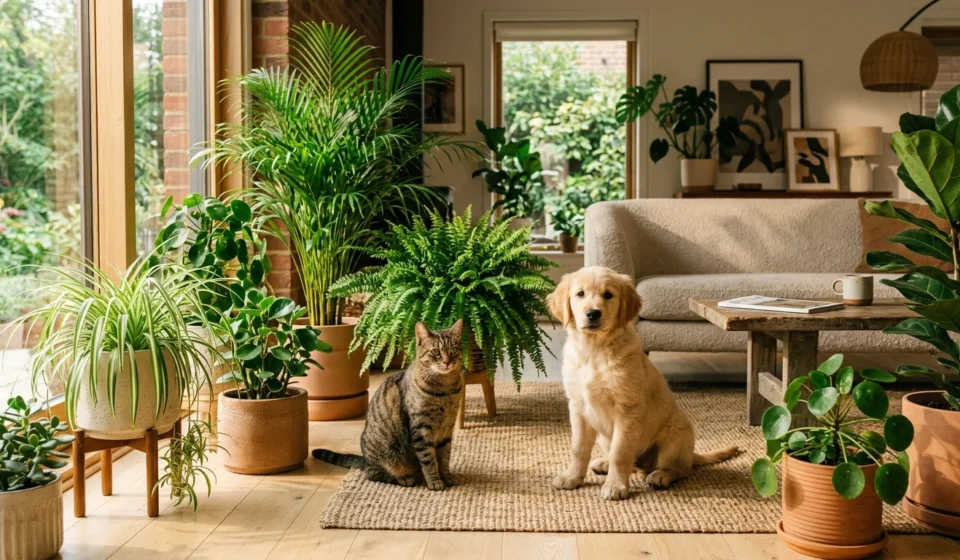
As a seasoned plant parent and animal lover, I know the joy of a home filled with vibrant greenery and the unconditional love of a pet. But I also know the anxiety that can bubble up when your curious cat eyes your new Fiddle Leaf Fig or your playful pup decides to ‘taste’ a leaf. It’s a common dilemma: how do you create that lush indoor jungle without putting your beloved companions at risk? The good news is, you absolutely can have both! With a little knowledge and thoughtful selection, your home can be a safe, green haven for everyone.
Table Of Content
- Understanding Plant Toxicity: What Does “Pet-Friendly” Really Mean?
- Top Picks for a Paw-Safe Paradise: Our Favorite Non-Toxic Houseplants
- Spider Plant (Chlorophytum comosum)
- Boston Fern (Nephrolepis exaltata)
- Prayer Plant (Maranta leuconeura) & Calatheas
- Areca Palm (Dypsis lutescens)
- African Violet (Saintpaulia)
- Christmas Cactus (Schlumbergera bridgesii)
- Haworthia (Haworthia fasciata/attenuata)
- Money Tree (Pachira aquatica)
- Creating a Safe Environment: Beyond Just Choosing the Right Plant
- Placement is Key
- Deterrents and Distractions
- Understanding Symptoms
- Common Mistakes & Misconceptions to Avoid
- Frequently Asked Questions
- What does 'pet-friendly' mean in the context of houseplants?
- Why are pets drawn to plants?
- What are some non-toxic houseplants that are perfect for homes with pets?
- How can I create a safe indoor oasis for my pets and plants?
- What factors can affect how my pet reacts to ingesting a plant?
Here at Easy Houseplant Care | Simple Indoor Plant Tips, we believe that enjoying houseplants should be stress-free, especially when it comes to your pets. This guide is designed to give you peace of mind, helping you choose truly pet-friendly plants and create an environment where both your plants and pets can thrive safely.
Understanding Plant Toxicity: What Does “Pet-Friendly” Really Mean?
Before we dive into specific plant recommendations, let’s clarify what “pet-friendly” really signifies. When we say a plant is pet-friendly, we mean it’s generally considered non-toxic to common household pets like cats and dogs. This doesn’t necessarily mean it’s a gourmet snack for them, but rather that accidental ingestion of a small amount is unlikely to cause severe illness or death. Most non-toxic plants might only cause mild gastrointestinal upset (like a bit of vomiting) if eaten in large quantities, simply because pets aren’t designed to digest plant matter.
However, it’s crucial to understand that “toxicity” can range from mild irritants causing mouth or stomach upset to systemic poisons affecting organs. Some plants contain calcium oxalates, which cause immediate irritation and pain in the mouth and throat if chewed, while others contain compounds that are metabolized into harmful substances after ingestion. Your pet’s size, the amount of plant ingested, and their individual sensitivities can all play a role in how they react.
Honestly, pets are often drawn to plants out of boredom, curiosity, or sometimes even an upset stomach. They might bat at dangling leaves, chew on something new, or try to get some roughage. Knowing your pet’s habits is key. Is your cat a notorious leaf nibbler? Does your dog chew on everything? This will inform not only which plants you choose but also where you place them. So, how do we navigate this green minefield to ensure safety?
Top Picks for a Paw-Safe Paradise: Our Favorite Non-Toxic Houseplants
Thankfully, there are dozens of beautiful, low-maintenance plants that are completely non-toxic and perfect for any home with pets. Here are some of my top recommendations, based on years of personal experience and research, that will add beauty without the worry:
-
Spider Plant (Chlorophytum comosum)
These classic houseplants are not only incredibly easy to care for but also completely safe for cats and dogs. Their arching foliage and “spiderettes” (baby plants) are fun for pets to bat at, but you won’t have to worry if they take a nibble. Spider plants thrive in bright, indirect light and prefer their soil to dry out slightly between waterings. They’re excellent air purifiers too!
-
Boston Fern (Nephrolepis exaltata)
With their lush, feathery fronds, Boston Ferns bring a vibrant, tropical feel to any room and are happily non-toxic. They love high humidity and bright, indirect light, making them perfect for bathrooms or kitchens. Just keep their soil consistently moist, but never soggy, and mist them regularly to keep them happy.
-
Prayer Plant (Maranta leuconeura) & Calatheas
These beauties are famous for their stunning leaf patterns and the way their leaves “pray” by folding up at night. Both Prayer Plants and most Calathea species are safe for pets. They prefer medium to bright indirect light and consistent moisture, along with high humidity. Their dramatic foliage makes them a focal point without any health concerns for your furry friends.
-
Areca Palm (Dypsis lutescens)
Want to add a touch of the tropics? The elegant Areca Palm is a fantastic choice. It’s safe for pets and can grow quite large, making a statement piece. Areca Palms prefer bright, indirect light and consistently moist soil. Just be sure to provide good drainage to prevent root rot.
-
African Violet (Saintpaulia)
For a splash of color, you can’t go wrong with African Violets. These charming, compact flowering plants are non-toxic and surprisingly easy to care for. They prefer bright, indirect light and should be watered from the bottom to avoid getting water on their fuzzy leaves. Their delicate blooms come in a rainbow of colors!
-
Christmas Cactus (Schlumbergera bridgesii)
Flowering succulents are always a treat, and the Christmas Cactus is a favorite, especially for its festive blooms. It’s completely safe for pets and relatively low-maintenance, enjoying bright, indirect light and a good soak when the top inch or two of soil is dry. They’re incredibly resilient and can live for decades!
-
Haworthia (Haworthia fasciata/attenuata)
Often mistaken for Aloe Vera (which is toxic!), Haworthia plants are compact, spiky succulents with beautiful patterns. They are very easy to care for, tolerant of lower light conditions (though they prefer bright indirect), and best of all, perfectly safe for your pets. Water them thoroughly when the soil is completely dry.
-
Money Tree (Pachira aquatica)
Known for its braided trunk and charming foliage, the Money Tree is considered non-toxic to cats and dogs. It’s also believed to bring good luck! These plants prefer bright, indirect light and consistent moisture, allowing the top inch or two of soil to dry out between waterings. They make a wonderful addition to any pet-friendly home.
Now that you know which plants are safe, let’s get to the really critical point: how do you ensure they *stay* safe, and what about those tempting but dangerous ones you already own?
Creating a Safe Environment: Beyond Just Choosing the Right Plant
Even with non-toxic plants, some pets might still be inclined to chew, and while it won’t be life-threatening, it can damage your plant. If you have any toxic plants you just can’t part with, careful placement and deterrence are essential. Based on my experience, proactive steps save a lot of headaches (and vet bills!).
Placement is Key
The most effective way to protect your pets (and your plants!) is to keep toxic plants completely out of reach. Think high shelves, hanging baskets, or rooms that pets can’t access. For example, imagine this situation: you have a beautiful Monstera (mildly toxic) and a new kitten who loves to climb. Placing the Monstera on the floor is an open invitation. Instead, consider a sturdy plant stand that’s too tall for jumping or, even better, a hanging planter where curious paws can’t reach. Remember, cats are particularly adept at scaling heights, so “out of reach” for a cat often means “on the ceiling.”
Deterrents and Distractions
Sometimes, even with the best placement, a determined pet might find a way. This is where deterrents come in handy. A bitter apple spray applied lightly to plant leaves can make them unappealing. Some people use aluminum foil or gravel on top of the soil to discourage digging. But what would you do in this situation if your pet is just plain bored? Provide them with safe alternatives! Cat grass (a mix of oat, wheat, or barley grass) is a fantastic, healthy, and safe option for cats to munch on, diverting their attention from your prized houseplants. Dog toys that encourage chewing can also help.
Understanding Symptoms
Despite all precautions, accidents can happen. It’s vital to know what to look for if you suspect your pet has ingested a toxic plant. Symptoms can vary widely but often include vomiting, diarrhea, lethargy, excessive drooling, mouth irritation (pawing at the mouth), difficulty breathing, or changes in appetite. If you witness your pet eating a potentially toxic plant or observe any of these symptoms, contact your veterinarian immediately. Having the plant’s common and scientific name ready will greatly assist them in diagnosis and treatment.
Common Mistakes & Misconceptions to Avoid
Even the most well-meaning plant and pet parents can make mistakes. Let me add something here: don’t beat yourself up if you’ve made one of these; it’s all part of learning!
- Assuming a plant is safe because a friend has it: Always double-check reputable sources like the ASPCA’s plant list. What’s safe for one pet might not be for another, and sometimes common names are misleading.
- Forgetting about fallen leaves or propagation cuttings: Even if the plant is out of reach, a dropped leaf or a cutting rooting in water can be an accessible (and potentially toxic) snack. Keep your plant areas tidy.
- Not considering all your pets: A plant safe for a cat might not be safe for a bird or a rabbit. Always research toxicity for all species in your home.
- Underestimating a pet’s determination: A plant on a “high shelf” might be a challenge for a curious cat. They can jump higher than you think!
- Relying solely on common names: Always use the plant’s scientific name when checking for toxicity. Common names can refer to multiple different plants, some toxic and some not.
Quick “what to do this week” takeaway: Take 15 minutes to review every plant in your home. Cross-reference them with a reliable pet toxicity list (like the ASPCA’s database). Relocate any toxic plants to inaccessible areas or consider rehoming them. Then, pick up a new pet-friendly plant from our list!
Cultivating an indoor garden shouldn’t come with a side of worry, especially when your beloved pets are involved. By thoughtfully choosing non-toxic varieties and implementing smart placement strategies, you can effortlessly create a beautiful, lush home that’s safe and welcoming for every member of your family, furry ones included. Embrace the joy of green living, knowing your companions are protected and thriving right alongside your plants. Happy planting!
Frequently Asked Questions
What does 'pet-friendly' mean in the context of houseplants?
When we say a plant is pet-friendly, we mean it's generally considered non-toxic to common household pets like cats and dogs. This doesn't necessarily mean it's a gourmet snack for them, but rather that accidental ingestion of a small amount is unlikely to cause severe illness or death. Most non-toxic plants might only cause mild gastrointestinal upset if eaten in large quantities.
Why are pets drawn to plants?
Pets are often drawn to plants out of boredom, curiosity, or sometimes even an upset stomach. They might bat at dangling leaves, chew on something new, or try to get some roughage. Knowing your pet's habits is key to choosing the right plants and placing them safely in your home.
What are some non-toxic houseplants that are perfect for homes with pets?
Some top picks for a paw-safe paradise include Spider Plant, Boston Fern, Prayer Plant, and Calatheas. These plants are not only beautiful and low-maintenance but also completely non-toxic to cats and dogs. They can add beauty to your home without the worry of harming your pets.
How can I create a safe indoor oasis for my pets and plants?
To create a safe indoor oasis, it's essential to choose pet-friendly plants and place them in a way that minimizes the risk of accidental ingestion. You can also take steps to keep your pets away from plants, such as using plant covers or placing plants out of reach. With a little knowledge and thoughtful selection, your home can be a safe, green haven for everyone.
What factors can affect how my pet reacts to ingesting a plant?
Your pet's size, the amount of plant ingested, and their individual sensitivities can all play a role in how they react to ingesting a plant. Some plants can cause immediate irritation and pain, while others can be metabolized into harmful substances. It's crucial to understand the potential risks and take steps to prevent accidental ingestion.