Living Room Plant Ideas: Your Guide to Choosing the Perfect Greenery

Stepping into a living room filled with lush, vibrant houseplants isn’t just a treat for the eyes; it’s a breath of fresh air for your soul. Plants instantly elevate any space, adding natural beauty, reducing stress, and even purifying the air. But with countless options out there, how do you choose the right ones for your living room? It’s not just about what looks good in the store; it’s about matching plants to your specific environment and lifestyle to ensure they don’t just survive, but truly thrive.
Table Of Content
- Decoding Your Living Room’s Environment: The Foundation of Success
- Light Levels: The Ultimate Decider
- Humidity & Temperature
- Space & Layout: How Much Room Do You Really Have?
- Matching Plants to Your Lifestyle: Effortless Greenery
- The Low-Maintenance Champions
- Pet-Friendly Options for Peace of Mind
- The Statement Makers: Plants with a Presence
- Practical Plant Pairing & Placement for Impact
- Creating Visual Interest with Variety
- Potting & Presentation
- Common Pitfalls to Sidestep for Happy Plants
- Ignoring Light Requirements
- Overwatering: The Silent Killer
- Choosing for Looks Alone
- Neglecting Acclimation
- Your Quick “What To Do This Week” Takeaway
As an experienced plant parent who’s navigated the jungle of choices many times, I can tell you that a little planning goes a long way. This guide from Easy Houseplant Care will walk you through everything you need to know, helping you pick the perfect green companions that will make your living room a true oasis without demanding complicated routines. Let’s make your plant dreams a reality!
Decoding Your Living Room’s Environment: The Foundation of Success
Before you even think about plant names or pretty pots, the most crucial step is to understand the conditions within your living room. Think of it like a plant compatibility test; if the environment doesn’t match the plant’s needs, it’s an uphill battle from day one.
Light Levels: The Ultimate Decider
Light is arguably the single most important factor for houseplant health. Ignoring it is, in my opinion, the biggest mistake new plant parents make. Different plants have vastly different light requirements, and understanding what kind of light your living room offers will narrow down your choices significantly.
There are generally three categories of indoor light: bright indirect light, medium light, and low light. Bright indirect light means your plant receives plenty of bright light, but the sun’s rays don’t directly hit its leaves, which can cause scorching. Think of a spot near a south or west-facing window, but a few feet back, or next to an east-facing window where the morning sun is softer. Medium light is typically a few more feet from a bright window or in a room with a north-facing window. Low light means your plant is in a shadier corner, far from any windows, or in a room with very little natural light. For precise measurement, I often recommend a simple light meter; it takes the guesswork out and makes a huge difference!
Humidity & Temperature
While light is king, humidity and temperature also play a role. Most houseplants prefer temperatures between 65-75°F (18-24°C), which happily aligns with typical indoor living room temperatures. Humidity, however, can be a trickier beast, especially in homes with central heating or air conditioning that dry out the air. Tropical plants like Calatheas or Ferns thrive in higher humidity, while succulents and Cacti prefer drier conditions. If your living room is consistently dry, you’ll either need to choose humidity-tolerant plants or be prepared to supplement with a plant humidifier or pebble trays.
Space & Layout: How Much Room Do You Really Have?
Consider the physical space. Do you have an expansive living room with high ceilings, or a cozy apartment nook? This will dictate whether you can accommodate a towering Fiddle Leaf Fig or if a charming Pothos trailing from a shelf is more suitable. Think about floor space for large potted plants, tabletops for medium-sized beauties, and shelves or hanging hooks for smaller, trailing varieties. Don’t forget to factor in how the plant will grow; a small plant today could be a sprawling giant in a year or two!
Matching Plants to Your Lifestyle: Effortless Greenery
Once you know your living room’s conditions, it’s time to consider your plant parenting style. Honestly, some of us are dedicated daily waterers, while others prefer a “set it and forget it” approach. Neither is wrong, but choosing plants that align with your available time and enthusiasm is key to long-term success.
The Low-Maintenance Champions
If you’re an apartment dweller, a busy homeowner, or an office worker who wants green without the fuss, these plants are your best friends. They forgive missed waterings and tolerate a range of light conditions, making them ideal for beginners and those with hectic schedules.
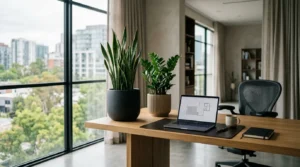
- Snake Plant (Sansevieria trifasciata): Virtually indestructible. Thrives in bright indirect to low light and can go weeks without water. Varieties like ‘Laurentii’ or ‘Zeylanica’ add sculptural elegance.
- ZZ Plant (Zamioculcas zamiifolia): Drought-tolerant, low-light champion. Its glossy, dark green leaves make a strong statement. You can literally forget about this plant for a month and it will still be happy.
- Pothos (Epipremnum aureum): Trailing vines that are incredibly versatile. Tolerates medium to low light and signals thirst by drooping slightly. Great for shelves or hanging baskets.
- Spider Plant (Chlorophytum comosum): Easy to care for and produces “spiderettes” that can be propagated. Prefers medium to bright indirect light.
For example, imagine this situation: you’re a busy professional, constantly traveling for work, and your previous plant attempts ended in crispy leaves. Instead of giving up, you choose a ZZ Plant and a Snake Plant. You water them once a month, ensuring the soil is completely dry before watering again. You place them in a corner that gets medium light. When you return from a trip, they’re still vibrant and healthy. This is the power of choosing plants that fit your routine, not the other way around.
Pet-Friendly Options for Peace of Mind
If you share your living space with furry friends, choosing non-toxic plants is a must. Many common houseplants can be irritating or even harmful if ingested by pets. Always double-check a plant’s toxicity before bringing it home.
- Areca Palm (Dypsis lutescens): A beautiful, airy palm that adds a tropical touch and is non-toxic to cats and dogs. Requires bright indirect light.
- Prayer Plant (Maranta leuconeura): Known for its striking foliage that folds up at night. Safe for pets, but prefers higher humidity and medium light.
- Boston Fern (Nephrolepis exaltata): A classic, lush fern that’s safe for pets. Needs consistent moisture and high humidity.
- Haworthia (Haworthia fasciata): A small, succulent-like plant with interesting textures, non-toxic, and very low maintenance.
The Statement Makers: Plants with a Presence
For those who want their plants to be a focal point, these larger, more dramatic specimens are perfect. They often require more specific care but reward you with stunning visual impact.
- Monstera deliciosa (Swiss Cheese Plant): Famous for its iconic split leaves. Needs bright indirect light and loves humidity. Can grow quite large!
- Fiddle Leaf Fig (Ficus lyrata): A perennial favorite for its large, violin-shaped leaves. Demands bright, consistent light and can be a bit finicky, but incredibly rewarding when happy.
- Bird of Paradise (Strelitzia nicolai): With its huge, banana-like leaves, this plant brings a true tropical vibe. Requires very bright light and consistent watering.
Practical Plant Pairing & Placement for Impact
So far we’ve covered the individual plant choices. Now let’s get to the really critical point: how to arrange them to create a cohesive and visually appealing living room oasis. It’s about more than just placing a pot; it’s about crafting an experience.
Creating Visual Interest with Variety
Don’t just line up plants of the same size. Think about varying heights, textures, and colors to create a dynamic display. Place a tall floor plant like an Areca Palm in a corner, complement it with a medium-sized ZZ Plant on a side table, and add a trailing Pothos from a nearby shelf. Combine plants with smooth, glossy leaves (like a ZZ) with those that have textured or variegated foliage (like a Prayer Plant or a variegated Pothos ‘Marble Queen’). This layering adds depth and interest to your living room.
Potting & Presentation
The pot itself is an extension of your decor. Choose pots that complement your living room’s style – whether it’s modern ceramic, rustic terracotta, or elegant metallic. Always ensure your pots have drainage holes; this is non-negotiable for preventing root rot. For busy plant parents, consider self-watering pots, which can significantly extend the time between waterings and reduce stress. To be fair, they aren’t for every plant, but for many common houseplants, they’re a lifesaver.
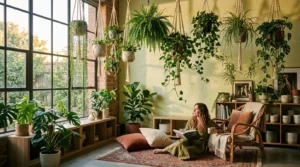
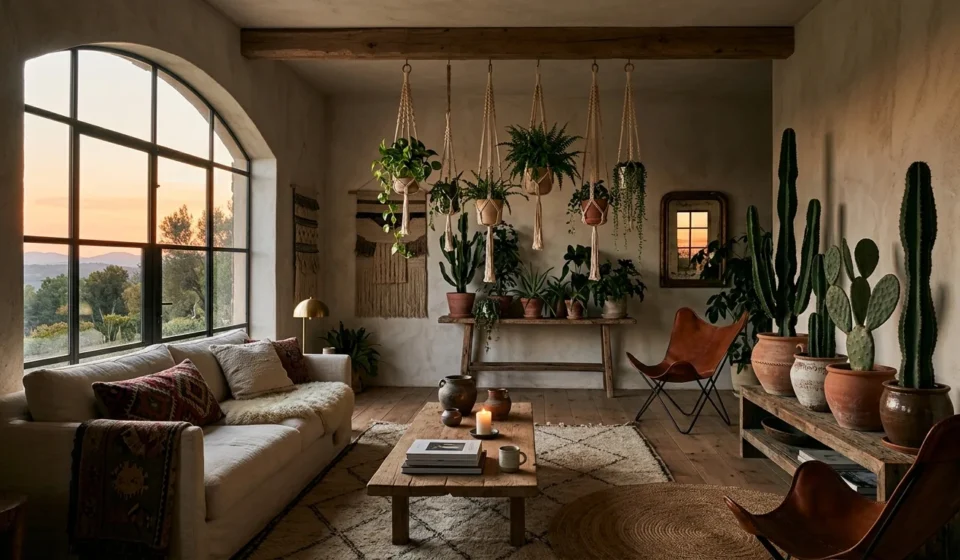
But what if your living room is small, and you still dream of lush greenery? Utilize vertical space! Hanging planters (for plants like Pothos, Spider Plants, or String of Pearls) or wall-mounted shelves can maximize greenery without sacrificing precious floor space. A small grouping of different sized plants on a coffee table can also create a powerful visual impact without overwhelming a compact area.
Common Pitfalls to Sidestep for Happy Plants
Even with the best intentions, it’s easy to make mistakes. Based on my experience, these are the most common blunders that lead to sad plants, and how you can avoid them.
Ignoring Light Requirements
This is by far the most common mistake. Don’t try to force a plant that needs bright indirect light into a dark corner, no matter how perfect it looks there. Plants are living beings that need specific conditions to photosynthesize and thrive. Always choose plants suitable for your available light, rather than trying to adapt the light to a plant that won’t be happy.
Overwatering: The Silent Killer
More houseplants die from overwatering than underwatering. Constantly soggy soil suffocates roots, leading to root rot. Always check the soil moisture before watering. A good rule of thumb for most plants is to water when the top 2 inches of soil are dry to the touch. A simple moisture meter can be a wise investment here, giving you an accurate reading of the soil’s dampness.
Choosing for Looks Alone
It’s tempting to grab the prettiest plant at the nursery, but if it’s a high-maintenance plant and you’re a low-maintenance person, it’s a recipe for disappointment. Always research a plant’s care needs before bringing it home. A stunning Calathea orbifolia might catch your eye, but if you can’t provide the consistent humidity and specific watering it demands, you’re better off with a more forgiving Prayer Plant.
Neglecting Acclimation
When you bring a new plant home, it’s entering a completely new environment. Don’t expect it to immediately look perfect. Give it a week or two to acclimate to its new light levels, humidity, and temperature. Place it in a spot that matches its ideal conditions, and resist the urge to repot immediately unless absolutely necessary. This transition period is crucial for its long-term health.
Your Quick “What To Do This Week” Takeaway
- Assess Your Light: Spend 5 minutes observing your living room’s light throughout the day. Which windows get direct sun, and for how long? Which areas are bright indirect, medium, or truly low light?
- Identify Your Plant Parent Style: Are you hands-on or hands-off? Do you have pets? This will guide your plant choices.
- Pick 1-2 Plants: Start small! Choose 1 or 2 plants that perfectly match your living room’s environment and your lifestyle.
- Get the Right Gear: Ensure you have the right size pot with drainage holes and a quality well-draining potting mix for your chosen plant. A bag of all-purpose potting mix combined with some perlite for extra drainage is often a great start.
Creating a beautiful, green living room doesn’t have to be complicated. By understanding your space, matching plants to your lifestyle, and avoiding common mistakes, you’ll be well on your way to enjoying a thriving indoor oasis. Remember, every plant journey starts with a single step, and the joy of watching your chosen greenery flourish is truly unmatched. Happy planting, and here’s to a greener, happier living room!