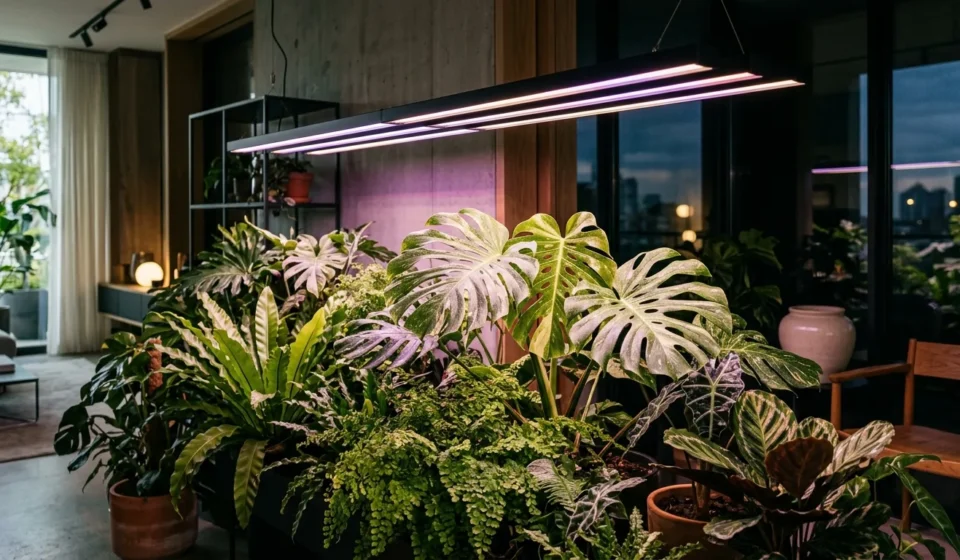
Unlock Thriving Growth: Your Guide to Choosing the Best Grow Lights for Indoor Plants

Is Your Indoor Plant Missing Out? Why Grow Lights Are a Game-Changer
Ever gazed at your beloved houseplants, wishing they were just a little greener, a little fuller, or producing those elusive blooms? The truth is, while our homes are cozy for us, they often fall short in one crucial area for plants: light. Even the brightest windows can’t always replicate the intensity and duration of natural sunlight, especially during darker winter months or in rooms with limited sun exposure. This often leads to common plant problems like leggy growth, pale leaves, or a general lack of vigor.
Table Of Content
- Is Your Indoor Plant Missing Out? Why Grow Lights Are a Game-Changer
- The Undeniable Benefits of Bringing Grow Lights Indoors
- Understanding Grow Light Science (No Jargon, I Promise!)
- The Importance of Light Spectrum
- Intensity: PAR and Lumens Explained
- Types of Grow Lights for Home Use
- Choosing the Right Grow Light for Your Plants
- Assess Your Plant’s Needs
- Consider Your Space and Aesthetics
- Key Features to Look For
- Setting Up and Using Your Grow Light for Success
- Placement and Distance: The Goldilocks Zone
- Light Duration: Let There Be Day (and Night!)
- Monitoring Your Plants
- Common Mistakes to Avoid
- Quick “What to Do This Week” Takeaway
But what would you do if your favorite Monstera started stretching desperately towards that tiny window? Or if your herbs just refused to thrive in your kitchen? The answer, my friend, is often a grow light. These fantastic devices provide the specific light spectrum plants need for photosynthesis – the magical process where they convert light energy into food. Adding a grow light isn’t about creating a complicated routine; it’s about giving your plants a consistent, reliable source of the energy they crave, ensuring they don’t just survive, but truly flourish.
The Undeniable Benefits of Bringing Grow Lights Indoors
So, why exactly should you consider bringing a grow light into your home? The benefits extend far beyond just keeping your plants alive. They empower your plants to reach their full potential, regardless of your home’s natural light conditions.
- Consistent, Vigorous Growth: Grow lights provide a stable light source, meaning your plants get the energy they need day in and day out. This prevents the stunted or leggy (etiolated) growth you often see when plants are stretching for insufficient light. Photosynthesis is optimized, leading to stronger stems, larger leaves, and overall healthier plants.
- Vibrant Colors and More Blooms: Have you noticed your variegated Pothos losing its creamy splashes, or your Calathea’s patterns looking dull? Adequate light is key to maintaining those stunning colors. For flowering plants like orchids or African Violets, a grow light can be the secret to encouraging abundant, long-lasting blooms, even off-season.
- Overwintering Success: Many of our favorite houseplants are tropical by nature. As the days shorten and light intensity drops in fall and winter, these plants struggle. A grow light effectively extends their “summer,” helping them navigate the colder months without going dormant or suffering severe stress.
- Unleash Placement Flexibility: Imagine you’ve got a beautiful Fiddle Leaf Fig, but your living room only gets indirect light a few hours a day. Or perhaps you’re trying to grow herbs in a kitchen with north-facing windows. With a grow light, your plants aren’t confined to only window sills. You can place plants in almost any corner of your home, transforming a dim entryway or a shadowy office into a lush, green oasis.
Understanding Grow Light Science (No Jargon, I Promise!)
So far we’ve uncovered the ‘why’ behind grow lights. Now, let’s dive into the ‘what’ and ‘how’ – understanding the magic behind these lights without getting lost in overly technical jargon. Don’t worry, you don’t need a degree in botany to grasp this!
The Importance of Light Spectrum
When we talk about “light spectrum,” we’re simply referring to the different colors of light that a grow light emits. Just like a rainbow, light is made up of various colors, and plants use specific ones for different stages of growth. For example, blue light is crucial for vegetative growth, promoting strong stems and lush foliage. Red light is vital for flowering and fruiting, encouraging blooms and seed production. Many modern grow lights, especially LEDs, offer a full spectrum, which mimics natural sunlight by providing a balanced blend of all these colors, making them ideal for all stages of plant growth and a wide variety of houseplants.
Intensity: PAR and Lumens Explained
You might see terms like “lumens” or “PAR” when shopping for grow lights. Lumens measure the brightness of light as perceived by the human eye, which isn’t always helpful for plants. What plants *really* care about is PAR (Photosynthetically Active Radiation). PAR measures the amount of light that’s actually useful for photosynthesis. The higher the PAR, the more energy your plant can convert into food. This is why a grow light specifically designed for plants (even if it doesn’t look super bright to your eyes) is far more effective than a regular desk lamp.
Types of Grow Lights for Home Use
While there are several types of grow lights out there, for the average indoor gardener, two main types stand out:
- LED (Light Emitting Diode) Grow Lights: Honestly, for most indoor gardeners, I believe full-spectrum LED grow lights are the undisputed champion. They are incredibly energy-efficient, have a long lifespan, produce very little heat (reducing the risk of burning plants), and offer a customizable spectrum. They come in various forms, from small clip-on lights to sleek bars and larger panels.
- Fluorescent Grow Lights (especially T5s): These are a good, budget-friendly option, particularly for starting seeds or for plants with lower light requirements. T5 fluorescents are more efficient than older T8 or T12 bulbs and provide a decent full spectrum, though they typically aren’t as powerful or long-lasting as LEDs.
Choosing the Right Grow Light for Your Plants
With so many options, how do you even begin to pick one from the sea of options out there? It comes down to understanding your plants’ needs and your living space.
Assess Your Plant’s Needs
First, consider the light requirements of the plants you intend to place under the light. Different plants have different appetites for light:
- Low-Light Plants (e.g., ZZ Plant, Snake Plant, Pothos, Peace Lily): These plants can tolerate lower light levels but will still benefit from a grow light set further away or on a lower intensity. A simple, less powerful LED or fluorescent might suffice.
- Medium-Light Plants (e.g., Monstera deliciosa, Fiddle Leaf Fig, Prayer Plants): Most common houseplants fall into this category. They thrive with bright indirect light and will appreciate a full-spectrum LED grow light for 12-14 hours a day.
- High-Light Plants (e.g., Succulents, Cacti, Fruiting Herbs, Citrus): These sun-lovers need intense light to prevent stretching and encourage compact growth or fruit production. They’ll require a more powerful LED grow light placed closer to the foliage, often for 14-16 hours daily.
Consider Your Space and Aesthetics
Think about where the grow light will go. Do you need a discreet light for an office desk (a small clip-on or desk lamp style LED)? Are you looking to illuminate a whole shelf of plants (LED light bars or under-shelf lights)? For larger collections, a floor-standing grow light or a panel might be more suitable. Consider the size, design, and how it blends with your existing decor. Many modern grow lights are quite stylish and designed to be unobtrusive.
Key Features to Look For
When shopping, keep an eye out for these practical features:
- Full Spectrum: As discussed, this is generally the best choice for a variety of houseplants, promoting balanced growth.
- Dimmable Settings: This allows you to adjust the intensity for different plant needs or stages of growth. It’s especially useful if you have a mix of high and low-light plants.
- Built-in Timer: Crucial for consistency! A timer ensures your plants get the right amount of light every day without you having to remember to turn it on and off.
- Adjustable Height: Lights with adjustable stands or hangers are incredibly versatile, allowing you to easily change the distance between the light and your plants as they grow.
Setting Up and Using Your Grow Light for Success
Once you’ve chosen your grow light, proper setup is key to unlocking its full potential. This isn’t rocket science, but a little attention to detail goes a long way.
Placement and Distance: The Goldilocks Zone
This is perhaps the most critical aspect. The distance between your grow light and your plant’s foliage directly impacts the light intensity your plant receives. Too close, and you risk light burn (scorched, bleached leaves). Too far, and your plant won’t get enough energy, leading to leggy growth. For most common LED grow lights, a good starting point is 6-12 inches (15-30 cm) above the plant canopy. However, always observe your plants! If leaves start to look bleached or crispy, move the light up. If they’re stretching, move it closer. This is where dimmable features and adjustable height really shine.
Light Duration: Let There Be Day (and Night!)
Plants need both light and darkness. During the light cycle, they perform photosynthesis. During darkness, they carry out respiration and other vital processes. Leaving a grow light on 24/7 can stress plants. For most indoor plants, aim for 12-16 hours of light per day. Set your timer and forget it! A consistent schedule is far better than sporadic lighting.
Monitoring Your Plants
Your plants will tell you if they’re happy! Keep an eye out for signs of too much or too little light. Yellowing or browning leaves at the top of the plant can indicate too much intensity. Pale, stretched-out growth with small leaves points to insufficient light. Adjust as needed!
Common Mistakes to Avoid
- Ignoring Natural Light: Grow lights supplement, they don’t always replace. Don’t put a grow light on a plant that’s already getting plenty of natural light, as this could be too much.
- Placing the Light Too Far Away: The intensity of light drops off dramatically with distance. A light that’s too far away is largely ineffective.
- Leaving the Light On 24/7: Plants need a period of darkness to rest and process.
- Not Adjusting as Plants Grow: As your plant gets taller, you’ll need to adjust the light’s height to maintain the optimal distance.
- Buying the Wrong Spectrum: A cheap shop light might be bright, but if it doesn’t offer the right spectrum, it won’t be as effective for plant growth as a dedicated grow light.
Quick “What to Do This Week” Takeaway
This week, consider where your plants are struggling due to lack of light. Research the specific light needs of those plants. If a grow light seems like a good solution, start exploring full-spectrum LED options with a built-in timer and adjustable height. Measure your space and envision where a light would fit best. With a little planning, you can transform your dim corners into thriving green havens.
Adding a grow light to your indoor gardening toolkit isn’t just an upgrade; it’s an investment in the health and happiness of your plant collection. It liberates you from the constraints of natural light, allowing you to cultivate a wider variety of plants and enjoy lush, vibrant foliage year-round. Don’t let dim rooms hold back your green thumb any longer. Embrace the power of grow lights and watch your indoor jungle truly come to life!