Paws-itively Safe: The Best Pet-Friendly Houseplants for Your Home

Bringing Greenery Home: A Pet Parent’s Guide to Safe Plants
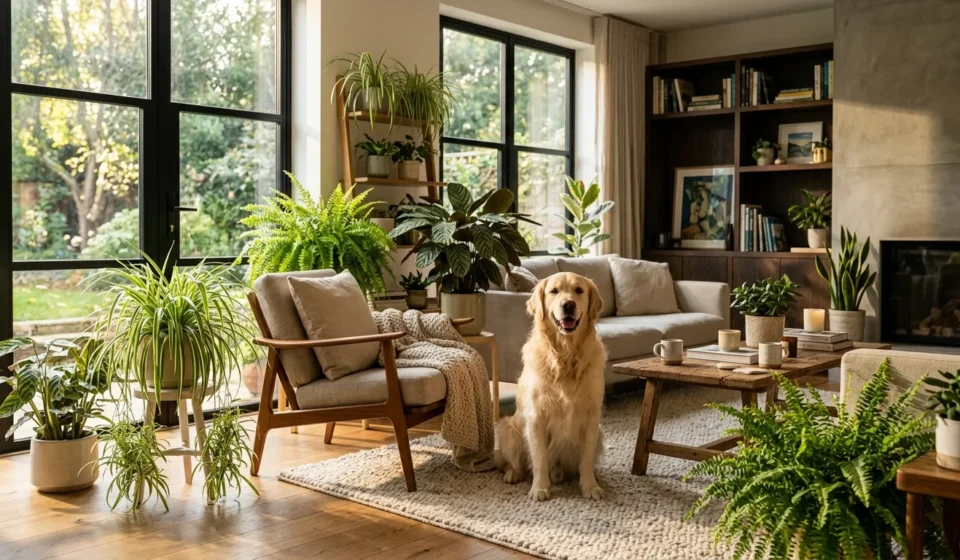
As devoted plant parents and pet guardians, we often face a dilemma: how can we fill our homes with lush, vibrant greenery without putting our beloved furry friends at risk? It’s a question I’ve pondered many times myself, watching a curious kitten bat at a trailing vine or a playful pup sniff intently at a potted fern. The good news is, you absolutely can have a thriving indoor jungle that’s also a safe haven for your pets. It just takes a little knowledge and mindful selection.
Table Of Content
- Bringing Greenery Home: A Pet Parent’s Guide to Safe Plants
- Understanding Plant Toxicity: What You Need to Know
- Top Picks: Your Go-To Pet-Friendly Houseplants
- 1. The Mighty & Majestic Money Tree (Pachira aquatica)
- 2. The Easy-Going Prayer Plant (Maranta leuconeura)
- 3. The Iconic Boston Fern (Nephrolepis exaltata ‘Bostoniensis’)
- 4. The Charming Christmas Cactus (Schlumbergera bridgesii)
- 5. The Resilient Spider Plant (Chlorophytum comosum)
- 6. The Sleek & Striking Parlor Palm (Chamaedorea elegans)
- 7. The Whimsical Polka Dot Plant (Hypoestes phyllostachya)
- Creating a Pet-Safe Plant Environment
- Common Mistakes and How to Avoid Them
- Quick “What To Do This Week” Takeaway
- Frequently Asked Questions
- What does it mean for a plant to be toxic to pets?
- How can I ensure my pets and houseplants coexist peacefully?
- What are some examples of pet-friendly houseplants?
- How do I care for a Money Tree?
- Why is it important to understand plant toxicity?
Here at Easy Houseplant Care, we believe that simple, actionable advice makes all the difference. This comprehensive guide will walk you through understanding plant toxicity, introduce you to a wonderful world of pet-friendly plants, and provide practical tips to ensure your green oasis and animal companions coexist peacefully. Forget the complicated routines; let’s get you confidently choosing plants that are beautiful, easy to care for, and, most importantly, paws-itively safe!
Understanding Plant Toxicity: What You Need to Know
Before we dive into the good stuff, let’s briefly touch on what “toxic” really means for pets. When we talk about a plant being toxic, it means ingesting parts of it can cause adverse reactions, ranging from mild gastrointestinal upset (like vomiting or diarrhea) to more severe issues affecting the heart, kidneys, or nervous system. The severity depends on the plant species, the amount ingested, and your pet’s individual sensitivity and size.
It’s crucial to understand that not all “toxic” plants are deadly; many are merely irritants. For example, some plants contain calcium oxalates, which cause immediate irritation and burning in the mouth and throat, often deterring pets from eating more than a nibble. Others, however, contain compounds that can be truly dangerous. Always err on the side of caution. If you’re unsure about a plant’s toxicity, it’s best to research it thoroughly or avoid it if you have a particularly curious or persistent pet. Knowing your pet’s habits is key here; some will ignore plants entirely, while others see every leaf as a potential snack.
Top Picks: Your Go-To Pet-Friendly Houseplants
Now for the exciting part! Here are some of my all-time favorite, tried-and-true pet-friendly houseplants. These beauties are not only safe but also generally low-maintenance, making them perfect for beginners and busy plant parents alike. We’ll cover their basic needs so you can pick the perfect plant for your space.
1. The Mighty & Majestic Money Tree (Pachira aquatica)
- Why it’s safe: Non-toxic to cats and dogs.
- Care: Prefers bright, indirect light. Water when the top 2 inches of soil are dry. A well-draining soil mix is essential. They love humidity, so occasional misting or a pebble tray can help.
- Why we love it: Its braided trunk and lush, palmate leaves add a touch of tropical elegance. Believed to bring good luck and prosperity!
2. The Easy-Going Prayer Plant (Maranta leuconeura)
- Why it’s safe: Non-toxic to cats and dogs.
- Care: Thrives in medium to low indirect light. Keep soil consistently moist but not soggy; avoid letting it dry out completely. They appreciate high humidity.
- Why we love it: Its stunning foliage with intricate patterns and its unique habit of folding its leaves up at night, like hands in prayer, is captivating.
3. The Iconic Boston Fern (Nephrolepis exaltata ‘Bostoniensis’)
- Why it’s safe: Non-toxic to cats and dogs.
- Care: Needs bright, indirect light and high humidity. Keep the soil consistently moist. Avoid direct sun, which can scorch its delicate fronds.
- Why we love it: Its feathery, arching fronds bring a classic, lush green feel to any room. Perfect for hanging baskets where pets might be less likely to reach.
4. The Charming Christmas Cactus (Schlumbergera bridgesii)
- Why it’s safe: Non-toxic to cats and dogs.
- Care: Enjoys bright, indirect light. Water thoroughly when the top inch of soil is dry, allowing excess to drain. Less water is needed after blooming.
- Why we love it: Its vibrant, bell-shaped flowers bloom in winter, adding a cheerful splash of color when other plants are dormant.
5. The Resilient Spider Plant (Chlorophytum comosum)
- Why it’s safe: Non-toxic to cats and dogs. (Some cats are attracted to them due to mild hallucinogenic properties, but they are not toxic).
- Care: Tolerates a range of light conditions from medium to bright indirect light. Water when the top 1-2 inches of soil are dry. Very forgiving!
- Why we love it: Easy to care for, produces “spiderettes” (baby plants) perfect for propagation, and looks fantastic in hanging baskets.
6. The Sleek & Striking Parlor Palm (Chamaedorea elegans)
- Why it’s safe: Non-toxic to cats and dogs.
- Care: Prefers medium to low indirect light. Keep soil lightly moist, allowing the top to dry out slightly between waterings.
- Why we love it: A classic, elegant palm that brings a touch of the tropics indoors. It’s compact and slow-growing, ideal for smaller spaces.
7. The Whimsical Polka Dot Plant (Hypoestes phyllostachya)
- Why it’s safe: Non-toxic to cats and dogs, though large quantities might cause mild digestive upset.
- Care: Needs bright, indirect light to maintain its vibrant leaf colors. Keep soil consistently moist, but not waterlogged.
- Why we love it: Its eye-catching foliage with splashes of pink, white, or red adds a playful pop of color.
Creating a Pet-Safe Plant Environment
Even with pet-friendly plants, a little proactive planning goes a long way. Let me add something here: just because a plant is non-toxic doesn’t mean your pet should be munching on it like a salad bar. Ingesting too much plant material of any kind can still lead to an upset stomach. So, the goal is to deter them from making a habit of it.
Consider placement: hang plants in baskets, place them on high shelves, or use plant stands that are difficult for your pets to access. For example, imagine this situation: you’ve just brought home a beautiful Boston Fern. Instead of placing it on the floor where your curious puppy might investigate, hang it by a window or place it on a sturdy, tall plant stand. You can also make plants less appealing by sprinkling a bit of cayenne pepper or lemon peel around the soil – most pets dislike the smell and taste. Always ensure your pets have plenty of their own appropriate toys and mental stimulation so they’re less likely to turn to your plants for entertainment. A well-exercised and engaged pet is less likely to become a plant vandal.
Common Mistakes and How to Avoid Them
Even with the best intentions, mistakes happen. Here are a few common pitfalls I’ve seen plant parents make, and how you can easily avoid them:
- Assuming a plant is safe: Never assume! Always verify a plant’s toxicity before bringing it home. A quick search on resources like ASPCA’s plant list or Easy Houseplant Care’s guides can save you a lot of worry.
- Not knowing your pet’s habits: Some cats are notorious leaf chewers, while some dogs love to dig. Tailor your plant choices and placement to your pet’s specific personality. Honestly, if you have a known plant-eater, even non-toxic plants might be better kept out of reach.
- Ignoring signs of ingestion: If you suspect your pet has eaten a plant (even a non-toxic one) and they start showing symptoms like vomiting, lethargy, or diarrhea, contact your vet immediately. It’s always better to be safe than sorry.
- Forgetting about plant runoff: When watering, make sure no toxic fertilizer or dirty water runs into an area where your pet might drink it. Use saucers and empty them promptly.
Quick “What To Do This Week” Takeaway
This week, take a moment to assess your current houseplant collection. First, identify any potentially toxic plants you own (e.g., Lilies, Pothos, Philodendron, ZZ Plant). For these, consider relocating them to pet-inaccessible areas or, if that’s not possible, finding them a new home. Next, browse our list of pet-friendly plants and pick one or two that suit your lighting conditions and lifestyle. Visit your local nursery or favorite online plant shop and bring home some beautiful, worry-free greenery. Remember, a balanced 10-10-10 liquid fertilizer diluted to half strength every 4-6 weeks during the growing season (spring and summer) will keep your new pet-safe plants thriving. Enjoy the peace of mind that comes with a harmonious, green, and pet-safe home!
Cultivating an indoor garden shouldn’t come with a side of anxiety, especially when it comes to our furry family members. With the right knowledge and a bit of thoughtful planning, you can absolutely enjoy the beauty and benefits of houseplants while keeping your pets safe and sound. Happy planting, and here’s to many joyful moments with your plants and pets!
Frequently Asked Questions
What does it mean for a plant to be toxic to pets?
When a plant is considered toxic, it means that ingesting parts of it can cause adverse reactions in pets, ranging from mild gastrointestinal upset to more severe issues affecting the heart, kidneys, or nervous system. The severity depends on the plant species, the amount ingested, and the pet's individual sensitivity and size.
How can I ensure my pets and houseplants coexist peacefully?
To ensure your pets and houseplants coexist peacefully, it's essential to choose pet-friendly plants and understand their basic needs. You should also be aware of your pet's habits and individual sensitivity to plants. Always err on the side of caution and research a plant's toxicity before bringing it into your home.
What are some examples of pet-friendly houseplants?
Some examples of pet-friendly houseplants include the Money Tree, Prayer Plant, Boston Fern, and Christmas Cactus. These plants are non-toxic to cats and dogs and are relatively low-maintenance, making them perfect for beginners and busy plant parents alike.
How do I care for a Money Tree?
To care for a Money Tree, provide it with bright, indirect light and water when the top 2 inches of soil are dry. Use a well-draining soil mix and maintain a humid environment by occasional misting or using a pebble tray. This will help your Money Tree thrive and add a touch of tropical elegance to your space.
Why is it important to understand plant toxicity?
Understanding plant toxicity is crucial to protect your pets from potential harm. Not all toxic plants are deadly, but some can cause severe reactions. By knowing which plants are toxic and taking necessary precautions, you can create a safe and pet-friendly environment in your home and enjoy the benefits of having plants without putting your pets at risk.