Is It Time to Repot? A Simple Guide to Stress-Free Houseplant Repotting

Introduction to Repotting
Repotting can be a daunting task for many houseplant enthusiasts, but it’s a crucial step in maintaining the health and happiness of your plants. But what would you do in this situation: your once-thriving houseplant has stopped growing, and you’re not sure what’s going on? For example, imagine this situation: you’ve had your Snake Plant ‘Laurentii’ for a few years, and it’s been doing great, but lately, it’s been looking a bit stagnant. You’ve been watering it regularly, providing it with bright indirect light, and fertilizing it every 4 weeks with a balanced 10-10-10 fertilizer. However, the plant has outgrown its pot and needs to be repotted.
Table Of Content
- Introduction to Repotting
- Why Repot Your Houseplants?
- Choosing the Right Time to Repot
- Preparing for Repotting
- The Repotting Process
- Common Mistakes to Avoid
- What to Do This Week
- Frequently Asked Questions
- Why is repotting necessary for houseplants?
- When is the best time to repot houseplants?
- What are the common signs that a houseplant needs to be repotted?
- How do I choose the right pot size for repotting?
- What are the basic steps involved in the repotting process?
In my opinion, repotting is an essential part of houseplant care, and it’s not as complicated as it seems. With a few simple steps and some basic knowledge, you can repot your houseplants with confidence. So, let’s get started and explore the world of repotting.
Why Repot Your Houseplants?
There are several reasons why you should repot your houseplants. One of the main reasons is that the plant has outgrown its pot and needs more room to expand its roots. If the plant is too big for its pot, it can become root-bound, which can lead to poor growth and even death. Another reason is that the soil may be depleted of nutrients, and repotting gives you the opportunity to refresh the soil and provide your plant with a nutrient-rich environment.
To be fair, repotting can be a bit stressful for plants, so it’s essential to do it correctly to minimize the stress. But with the right techniques and a bit of practice, you can repot your houseplants like a pro.
Choosing the Right Time to Repot
The best time to repot your houseplants depends on the type of plant and its growth cycle. Generally, it’s best to repot in the spring or summer when the plant is actively growing. This allows the plant to establish itself in its new pot before the dormant season. For example, if you have a Monstera deliciosa, it’s best to repot it in the spring when it’s producing new growth.
But what if you’re not sure when to repot? Honestly, it’s always better to err on the side of caution and wait until the plant is showing signs that it needs to be repotted. Some common signs include:
- The plant has outgrown its pot and needs more room to expand its roots.
- The soil is depleted of nutrients and needs to be refreshed.
- The plant is showing signs of poor growth, such as yellowing leaves or slow growth.
Let me add something here: it’s also essential to consider the size of the new pot. You don’t want to pot your plant in a pot that’s too big, as this can cause the soil to become too wet and lead to root rot. A good rule of thumb is to choose a pot that is only 1-2 sizes larger than the original pot.
Preparing for Repotting
Before you start repotting, it’s essential to prepare everything you need. This includes:
- A new pot that is only 1-2 sizes larger than the original pot.
- Fresh potting soil that is well-draining and rich in nutrients.
- A balanced fertilizer, such as a 10-10-10 fertilizer.
- A pair of gloves to protect your hands from the soil and any potential pests.
To be fair, repotting can be a bit messy, so it’s a good idea to lay down some old sheets or newspapers to protect your floor or table.
The Repotting Process
Now that you’ve prepared everything, it’s time to start repotting. Here’s a step-by-step guide to help you through the process:
- Water the plant thoroughly the day before repotting to make the soil easier to handle.
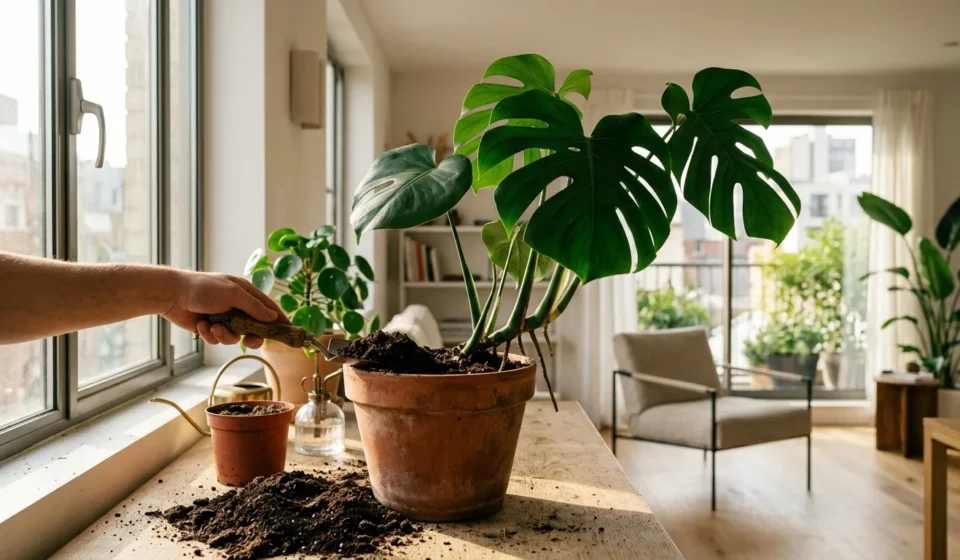
- Remove the plant from its pot and gently loosen the roots with your fingers or a blunt instrument.
- Inspect the roots for any signs of damage or disease and trim them back if necessary.
- Place a layer of fresh potting soil in the new pot, followed by the plant and more soil.
- Water the plant thoroughly and provide it with bright indirect light to help it establish itself in its new pot.
In my experience, the key to successful repotting is to handle the roots with care and to provide the plant with the right amount of water and light. With a bit of practice, you’ll be repotting like a pro in no time.
Common Mistakes to Avoid
While repotting can be a bit tricky, there are some common mistakes to avoid to ensure the success of your plants. Some of these mistakes include:
- Repotting too often, which can cause the plant to become stressed and lead to poor growth.
- Using a pot that is too big, which can cause the soil to become too wet and lead to root rot.
- Not providing enough water or light, which can cause the plant to become stressed and lead to poor growth.
Honestly, it’s always better to err on the side of caution and do plenty of research before repotting your plants. With the right techniques and a bit of practice, you can repot your houseplants with confidence and help them thrive.
What to Do This Week
So far we’ve covered the basics of repotting, including why it’s necessary, how to choose the right time, and the step-by-step process. Now it’s time to put your knowledge into practice. Take a few minutes to inspect your plants and see if any of them need to be repotted. Make a list of the materials you need and start preparing for the repotting process. With a bit of practice and patience, you’ll be a pro at repotting in no time.
Frequently Asked Questions
Why is repotting necessary for houseplants?
Repotting is necessary for houseplants because it allows them to grow and thrive by providing more room for their roots to expand. If a plant becomes root-bound, it can lead to poor growth and even death. Additionally, repotting gives you the opportunity to refresh the soil and provide your plant with a nutrient-rich environment.
When is the best time to repot houseplants?
The best time to repot houseplants depends on the type of plant and its growth cycle. Generally, it's best to repot in the spring or summer when the plant is actively growing. This allows the plant to establish itself in its new pot before the dormant season. Look for signs that your plant needs to be repotted, such as the plant outgrowing its pot or the soil being depleted of nutrients.
What are the common signs that a houseplant needs to be repotted?
Common signs that a houseplant needs to be repotted include the plant outgrowing its pot and needing more room to expand its roots, the soil being depleted of nutrients, and the plant showing signs of poor growth, such as yellowing leaves or slow growth. If you notice any of these signs, it's likely time to repot your plant.
How do I choose the right pot size for repotting?
When choosing a new pot for repotting, it's essential to select a pot that is only 1-2 sizes larger than the original pot. This will prevent the soil from becoming too wet and reduce the risk of root rot. A pot that is too big can be detrimental to your plant's health, so it's better to err on the side of caution and choose a slightly larger pot.
What are the basic steps involved in the repotting process?
The basic steps involved in the repotting process include watering the plant thoroughly the day before repotting, removing the plant from its pot and gently loosening the roots, inspecting the roots for any signs of damage or disease, and placing the plant in a new pot with fresh potting soil. It's also essential to handle the roots with care and provide the plant with bright indirect light to help it establish itself in its new pot.