Top 10 Most Popular Houseplants for Indoor Spaces

Transform Your Space with the Best Indoor Plants
Imagine stepping into a room that instantly feels calmer, fresher, and more vibrant. That’s the magic houseplants bring – turning any corner of your apartment, office, or home into a lush, living sanctuary. But if you’ve ever felt overwhelmed by the sheer variety of indoor plants, wondering where to even begin, you’re not alone. I’ve certainly been there, staring blankly at rows of unfamiliar foliage, wishing for a cheat sheet.
Table Of Content
- Transform Your Space with the Best Indoor Plants
- Why Popularity Matters: The Benefits of Low-Maintenance Indoor Plants
- The Top 10 Most Popular Houseplants & How to Care for Them
- 1. Snake Plant (Sansevieria trifasciata)
- 2. ZZ Plant (Zamioculcas zamiifolia)
- 3. Pothos (Epipremnum aureum)
- 4. Spider Plant (Chlorophytum comosum)
- 5. Peace Lily (Spathiphyllum wallisii)
- 6. Monstera deliciosa
- 7. Heartleaf Philodendron (Philodendron hederaceum)
- 8. Succulents (e.g., Aloe Vera, Echeveria, Haworthia)
- 9. Dracaena (e.g., Dracaena fragrans ‘Mass Cane’, Dracaena marginata)
- 10. Calathea (e.g., Calathea orbifolia, Calathea ‘Medallion’)
- Essential Tools and Practices for Success with Your Popular Picks
- Choosing the Right Pot and Soil
- Mastering Watering and Lighting
- Fertilizing and Repotting for Growth
- Common Mistakes Even Experienced Plant Parents Make (and How to Avoid Them)
- The Perils of Overwatering
- Ignoring Light Conditions
- Neglecting Acclimation and Immediate Repotting
- Fertilizing Incorrectly
- Not Researching Specific Needs
- What to Do This Week
- Frequently Asked Questions
- What are the benefits of having popular houseplants?
- How do I choose the right houseplant for my space?
- What is the best way to care for a Snake Plant?
- Why are some houseplants more popular than others?
- What are the advantages of having a low-maintenance houseplant?
The good news? There’s a reason certain plants rise to the top of everyone’s “must-have” list. These aren’t just beautiful; they’re often incredibly resilient, adaptable, and surprisingly easy to care for, even if your thumb is more brown than green. They’re the superstars of the indoor plant world, beloved by beginners and seasoned plant parents alike for their ability to thrive with minimal fuss.
Here at easyhouseplantcare.com, we believe that nurturing indoor greenery should be a source of joy, not stress. That’s why we’ve put together this comprehensive guide to the top 10 most popular houseplants. We’ll not only introduce you to these fantastic plants but also arm you with the specific, actionable knowledge you need to help them flourish in your home. Get ready to discover your next leafy companion!
Why Popularity Matters: The Benefits of Low-Maintenance Indoor Plants
Ever wonder why some plants seem to be everywhere, gracing Instagram feeds and office desks alike? It’s not just a trend; it’s a testament to their inherent qualities that make them ideal for indoor living. “Popularity” in the houseplant world often translates directly to “ease of care” and “adaptability.” These plants are often forgiving of missed waterings, tolerant of varied light conditions, and generally less susceptible to common pests, making them perfect for anyone looking to add life without adding a complicated chore list.
Beyond their low-maintenance appeal, popular houseplants offer a wealth of benefits. They are natural air purifiers, filtering out common toxins like formaldehyde and benzene, contributing to a healthier indoor environment. Studies have also shown that the presence of plants can reduce stress, boost mood, and even increase productivity. Choosing a popular plant means you’re selecting a species that has already proven its mettle in diverse indoor settings, offering a higher chance of success and a rewarding experience for you.
The key to success with any houseplant, especially when starting out, is to match the plant’s needs with your environment and lifestyle. Do you travel frequently? A drought-tolerant ZZ Plant might be your best friend. Is your space bathed in bright, indirect light? A Monstera could be the statement piece you’re looking for. Let’s dive into the specifics of these proven winners.
The Top 10 Most Popular Houseplants & How to Care for Them
Here are the plants that consistently win hearts and thrive in homes, along with practical advice to ensure their success.
1. Snake Plant (Sansevieria trifasciata)
- Why it’s Popular: Also known as “Mother-in-Law’s Tongue,” this plant is virtually indestructible, tolerating neglect and a wide range of conditions. It’s also an excellent air purifier, even at night.
- Light: Highly adaptable. Thrives in bright, indirect light but can tolerate low light conditions, making it perfect for dimmer rooms. Avoid direct, intense sun which can scorch its leaves.
- Watering: The biggest mistake with Snake Plants is overwatering. Allow the soil to dry out completely between waterings. In warmer months, this might be every 2-4 weeks; in winter, as infrequently as once a month or two. When in doubt, wait.
- Soil: A well-draining soil mix is crucial to prevent root rot. A good blend is 50% standard potting mix, 30% perlite or pumice, and 20% coarse sand.
- Fertilization: Feed sparingly. A balanced liquid houseplant fertilizer (e.g., 10-10-10 or 20-20-20 diluted to half strength) once during the spring and once in the summer is sufficient.
- Pro-Tip: Wipe down its broad leaves with a damp cloth periodically to remove dust and help with photosynthesis.
2. ZZ Plant (Zamioculcas zamiifolia)
- Why it’s Popular: The ZZ Plant is a true champion of resilience, famous for its ability to thrive on neglect. Its waxy, dark green leaves and upright growth habit make it a stylish addition to any space.
- Light: Prefers medium to bright indirect light but is incredibly tolerant of low light conditions, even thriving in office settings with fluorescent lighting. Avoid direct sun.
- Watering: Water thoroughly only when the soil has completely dried out, usually every 3-4 weeks in the growing season, and even less frequently in winter (every 6-8 weeks). Its thick rhizomes store water, making it very drought-tolerant.
- Soil: A fast-draining potting mix is essential. Use a succulent or cactus mix, or create your own with 60% potting mix and 40% perlite.
- Fertilization: Fertilize sparingly, if at all. A diluted balanced liquid fertilizer once or twice during the growing season (spring/summer) is plenty.
- Pro-Tip: Don’t be alarmed if it goes a long time without water; it’s built for survival!
3. Pothos (Epipremnum aureum)
- Why it’s Popular: Pothos is one of the most versatile and forgiving houseplants. Its trailing vines look stunning in hanging baskets or climbing on shelves, and it comes in various cultivars like ‘Golden,’ ‘Marble Queen,’ and ‘Neon.’ It’s also incredibly easy to propagate.
- Light: Adapts to low to bright indirect light. Brighter light brings out the variegation in patterned varieties, while low light can make leaves greener. Avoid direct sunlight.
- Watering: Water when the top 2-3 inches of soil feel dry to the touch, typically every 7-10 days. Pothos will tell you it’s thirsty by slightly drooping its leaves.
- Soil: A standard well-draining indoor potting mix works well. A mix of 70% potting mix and 30% perlite provides excellent drainage.
- Fertilization: Feed with a balanced liquid fertilizer (e.g., 5-5-5 or 10-10-10 diluted to half strength) every 2-4 weeks during spring and summer.
- Pro-Tip: Pothos cuttings root easily in water. Simply snip a vine below a node (where a leaf meets the stem) and place it in a glass of water!
4. Spider Plant (Chlorophytum comosum)
- Why it’s Popular: With its arching, variegated leaves and charming “spiderettes” (baby plants) that dangle from the mother plant, the Spider Plant is a classic for a reason. It’s an excellent air purifier and incredibly easy to care for and propagate.
- Light: Prefers bright, indirect light. It can tolerate lower light, but its variegation might become less pronounced. Direct sun can scorch leaves.
- Watering: Water when the top inch of soil feels dry. Keep the soil consistently moist but never soggy. Typically, this means watering every 7-10 days.
- Soil: A standard peat-based potting mix with good drainage is ideal.
- Fertilization: Feed with a balanced liquid houseplant fertilizer (e.g., 10-10-10 diluted to half strength) every 2-4 weeks during the active growing season (spring and summer).
- Pro-Tip: Remove the “spiderettes” when they are about 2-3 inches long and have small roots. Plant them directly into soil or root them in water for new plants!
5. Peace Lily (Spathiphyllum wallisii)
- Why it’s Popular: Known for its elegant white “flowers” (which are actually modified leaves called spathes) and lush dark green foliage, the Peace Lily is a beautiful and effective air purifier. It’s also famous for dramatically drooping when thirsty, making its watering needs very clear.
- Light: Prefers medium to low indirect light. Avoid direct sunlight, which can burn its leaves. It rarely blooms in very low light.
- Watering: Water thoroughly when the top 1-2 inches of soil are dry, or when the plant starts to droop slightly. Don’t let it sit in standing water. Usually every 5-7 days.
- Soil: A rich, well-draining potting mix that retains some moisture is best. A blend of 60% potting mix, 20% coco coir, and 20% perlite works well.
- Fertilization: Fertilize every 4-6 weeks during the spring and summer with a balanced liquid fertilizer diluted to half strength, especially if you want to encourage blooms.
- Pro-Tip: If your Peace Lily is drooping, give it a good drink of water. It usually perks up within hours, a truly satisfying sight!
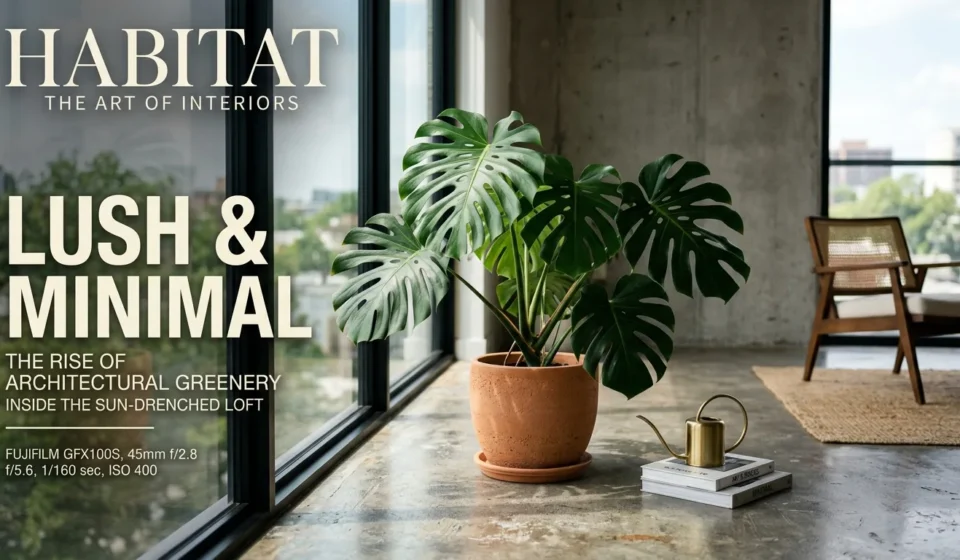
6. Monstera deliciosa
- Why it’s Popular: The “Swiss Cheese Plant” is a true statement piece, beloved for its large, glossy, heart-shaped leaves that develop iconic natural splits (fenestrations) as they mature. It brings a tropical jungle vibe to any interior.
- Light: Prefers bright, indirect light. While it can tolerate medium light, its growth will be slower, and leaves might not develop as many fenestrations. Direct sun can scorch leaves.
- Watering: Water thoroughly when the top 2-3 inches of soil are dry, typically every 7-14 days depending on light and temperature. Monsteras appreciate slightly more consistent moisture than succulents.
- Soil: A chunky, well-draining, and airy soil mix is key. Try a blend of 50% potting mix, 30% orchid bark, and 20% perlite or pumice.
- Fertilization: Feed every 2-4 weeks during the growing season (spring through early fall) with a balanced liquid fertilizer diluted to half strength.
- Pro-Tip: Provide a moss pole or stake for support as it grows. The aerial roots will attach, encouraging larger, more mature leaves.
7. Heartleaf Philodendron (Philodendron hederaceum)
- Why it’s Popular: Often confused with Pothos, the Heartleaf Philodendron is equally easy-care and boasts charming heart-shaped, glossy green leaves on trailing vines. It’s perfect for adding a cascade of greenery to shelves or hanging baskets.
- Light: Very adaptable, thriving in low to medium indirect light. Brighter indirect light encourages faster growth. Avoid direct sunlight.
- Watering: Water when the top 1-2 inches of soil are dry to the touch, usually every 7-10 days. It prefers to dry out slightly between waterings.
- Soil: A standard well-draining potting mix is suitable. Adding some perlite (e.g., 70% potting mix, 30% perlite) can improve drainage.
- Fertilization: Fertilize every 2-4 weeks during the growing season (spring and summer) with a balanced liquid houseplant fertilizer diluted to half strength.
- Pro-Tip: Like Pothos, it’s incredibly easy to propagate from stem cuttings in water.
8. Succulents (e.g., Aloe Vera, Echeveria, Haworthia)
- Why it’s Popular: This broad category includes a vast array of unique shapes, textures, and colors, all sharing a common trait: they store water in their leaves, making them extremely drought-tolerant. They are perfect for sunny windowsills and require minimal attention.
- Light: Require very bright light, preferably direct sunlight for several hours a day, especially for Echeverias and most flowering succulents. A south or west-facing window is ideal.
- Watering: This is where most people go wrong. Water thoroughly only when the soil is completely dry, which can be every 2-4 weeks in summer and even less often (once a month or two) in winter. Err on the side of underwatering.
- Soil: Absolutely critical for succulents is a fast-draining soil mix. Use a specific succulent/cactus mix or combine 50% potting mix with 50% perlite or coarse sand.
- Fertilization: Fertilize very sparingly, if at all. A highly diluted (quarter strength) balanced liquid fertilizer once in spring is usually enough.
- Pro-Tip: Good drainage is paramount. Always use pots with drainage holes and never let succulents sit in standing water.
9. Dracaena (e.g., Dracaena fragrans ‘Mass Cane’, Dracaena marginata)
- Why it’s Popular: Dracaenas offer architectural appeal with their upright, often cane-like stems and sword-shaped or strap-like leaves. They are excellent for adding vertical interest to a space and are known for their air-purifying qualities. Varieties like ‘Mass Cane’ and ‘Marginata’ are especially popular.
- Light: Prefers medium to bright indirect light. They can tolerate lower light, but growth will be slower. Direct sun can burn the leaf tips.
- Watering: Water when the top 2-3 inches of soil are dry. Dracaenas are sensitive to fluoride and chlorine in tap water, which can cause brown leaf tips; using filtered water or letting tap water sit overnight can help.
- Soil: A well-draining potting mix that retains some moisture is ideal. A mix of 70% potting mix and 30% perlite works well.
- Fertilization: Fertilize every 4-6 weeks during the growing season (spring and summer) with a balanced liquid fertilizer diluted to half strength.
- Pro-Tip: If the plant gets too tall or leggy, you can “cane” it by cutting the stem. New growth will emerge below the cut, and the top section can often be rooted in water or soil.
10. Calathea (e.g., Calathea orbifolia, Calathea ‘Medallion’)
- Why it’s Popular: While slightly more demanding than some on this list, Calatheas are incredibly popular for their stunning, often intricately patterned foliage and unique “prayer plant” movement, where leaves fold up at night and unfurl in the morning. They add unparalleled beauty and drama.
- Light: Prefers medium to bright indirect light. Direct sun will bleach and burn their delicate leaves. They thrive in consistent, diffused light.
- Watering: Keep the soil consistently moist but never soggy. Water when the top inch of soil is just starting to dry out, usually every 5-7 days. They are sensitive to hard water, so use filtered or rainwater if possible.
- Soil: Requires a well-draining, moisture-retentive mix. A blend of 50% potting mix, 20% orchid bark, 20% perlite, and 10% coco coir is excellent.
- Fertilization: Feed every 2-4 weeks during the growing season with a balanced liquid fertilizer diluted to quarter strength. They are light feeders.
- Pro-Tip: Calatheas love high humidity. Consider placing them near a humidifier, grouping them with other plants, or placing their pot on a pebble tray filled with water.
Essential Tools and Practices for Success with Your Popular Picks
Even the easiest plants benefit from a few foundational practices and the right tools. Think of these as your basic plant parent toolkit to ensure your popular picks truly thrive.
Choosing the Right Pot and Soil
Drainage is non-negotiable for almost all houseplants. Always choose a pot with drainage holes to prevent waterlogging and root rot. Terracotta pots are excellent for plants that prefer drier conditions (like succulents and Snake Plants) because they allow moisture to evaporate through their porous sides. Plastic pots retain moisture longer, which can be good for plants that like consistent dampness, but ensure good drainage.
The right soil mix is equally vital. For most of the popular plants listed above, a well-draining, airy mix is key. A good general recipe is a blend of 50% good quality indoor potting mix, 30% perlite or pumice (for aeration), and 20% orchid bark or coco coir (for moisture retention and drainage, especially beneficial for aroids like Monstera and Philodendron). Avoid dense garden soil, which compacts easily and suffocates roots indoors.
Mastering Watering and Lighting
Understanding your plant’s light needs is crucial. “Bright indirect light” means the plant sees the sky and gets plenty of light, but no direct sunbeams hit its leaves. Think a few feet away from a sunny window or near an east-facing window. “Medium light” is a bit further from a window, and “low light” means it can survive in a shadier corner, though it won’t necessarily thrive there. Observe your space throughout the day to identify these zones.
Watering is often the trickiest part, but it doesn’t have to be. The “finger test” is your best friend: stick your finger 1-2 inches into the soil. If it feels dry, it’s time to water. For more precision, a simple moisture meter can be incredibly helpful, giving you a clear reading of the soil’s dampness. Remember, it’s generally better to underwater slightly than to overwater, which leads to root rot.
Fertilizing and Repotting for Growth
Plants need nutrients to grow, especially during their active growing season (typically spring and summer). A balanced liquid fertilizer, such as a 10-10-10 or 5-5-5 formula, diluted to half or quarter strength, applied every 2-4 weeks, is a good general guideline. Always fertilize on moist soil to prevent root burn, and reduce or stop fertilizing entirely during the fall and winter when most plants enter a dormant phase.
Repotting is necessary when your plant becomes “root-bound,” meaning its roots have filled the current pot and are circling the bottom or growing out of drainage holes. This usually happens every 1-2 years. When repotting, choose a pot that is only 1-2 inches larger in diameter than the current one. Too large a pot can lead to excess soil retaining too much moisture, increasing the risk of root rot.
Common Mistakes Even Experienced Plant Parents Make (and How to Avoid Them)
Even with the most popular and forgiving plants, mistakes happen. I’ve learned these lessons the hard way more times than I care to admit! Recognizing these pitfalls can save you a lot of heartache and keep your plants thriving.
The Perils of Overwatering
This is arguably the number one killer of houseplants. Overwatering suffocates the roots by depriving them of oxygen, leading to root rot. Symptoms include yellowing leaves, mushy stems, and a foul smell from the soil. Always check the soil moisture before watering, and ensure your pot has adequate drainage holes. When in doubt, wait another day or two.
Ignoring Light Conditions
Placing a low-light loving plant in scorching direct sun will lead to scorched, crispy leaves. Conversely, a bright-light lover stuck in a dark corner will become leggy, pale, and won’t grow properly. While many popular plants are adaptable, pushing their limits too far will cause stress. Take time to assess your light conditions and choose plants that match, or be prepared to supplement with a grow light if natural light is insufficient.
Neglecting Acclimation and Immediate Repotting
Bringing a new plant home is exciting, but resist the urge to immediately repot it or drastically change its environment. Plants need time to adjust to their new surroundings (temperature, humidity, light). Give them a week or two to acclimate before considering any major changes like repotting. This reduces shock and helps them settle in better.
Fertilizing Incorrectly
More is not always better when it comes to fertilizer. Over-fertilizing can burn roots and damage your plant. Always dilute liquid fertilizers to half or quarter strength, especially for sensitive plants. Also, avoid fertilizing during the plant’s dormant period (fall and winter), as it won’t be actively growing and can’t utilize the nutrients, leading to a harmful buildup in the soil.
Not Researching Specific Needs
While this list provides excellent general care, each plant is an individual. A Calathea’s needs are different from a Snake Plant’s. Taking a few minutes to research the specific requirements of your chosen plant once you bring it home can make all the difference. Understanding its natural habitat often provides clues to its preferred indoor conditions.
What to Do This Week
Ready to bring some vibrant life into your home? This week, take a moment to assess the light conditions in your space – which windows get direct sun, which areas are bright indirect, and where are the shadier spots? With this knowledge, revisit our list of the top 10 popular houseplants.
Choose one or two plants that resonate with you and seem to fit your lifestyle and home’s environment. Do a quick deep dive into their specific care needs – focusing on light, watering, and soil. Then, head to your local nursery or online store to pick up your new leafy friend. Remember, even with the easiest plants, a little attention goes a long way. You’ll be amazed at the joy and beauty they bring!
Frequently Asked Questions
What are the benefits of having popular houseplants?
Popular houseplants are often low-maintenance, adaptable, and forgiving of missed waterings, making them perfect for indoor living. They are also natural air purifiers, filtering out common toxins, and can reduce stress, boost mood, and increase productivity. Choosing a popular plant means you're selecting a species that has already proven its mettle in diverse indoor settings, offering a higher chance of success and a rewarding experience for you.
How do I choose the right houseplant for my space?
The key to success with any houseplant, especially when starting out, is to match the plant's needs with your environment and lifestyle. Consider factors such as light conditions, watering needs, and your travel schedule to select a plant that thrives in your space. For example, a drought-tolerant ZZ Plant might be perfect for frequent travelers, while a Monstera could be ideal for spaces with bright, indirect light.
What is the best way to care for a Snake Plant?
The Snake Plant is virtually indestructible and can tolerate neglect and a wide range of conditions. To care for it, provide bright, indirect light, but avoid direct, intense sun. Allow the soil to dry out completely between waterings, and use a well-draining soil mix to prevent root rot. Fertilize sparingly, using a balanced liquid houseplant fertilizer during the spring and summer months.
Why are some houseplants more popular than others?
Some houseplants are more popular due to their inherent qualities that make them ideal for indoor living. These plants are often forgiving of missed waterings, tolerant of varied light conditions, and less susceptible to common pests. Their popularity also translates to ease of care and adaptability, making them perfect for anyone looking to add life to their space without adding a complicated chore list.
What are the advantages of having a low-maintenance houseplant?
Low-maintenance houseplants are perfect for busy individuals or those new to plant parenthood. They are often forgiving of mistakes, such as overwatering or underwatering, and can thrive in a variety of conditions. This means you can enjoy the benefits of having plants, such as air purification and stress reduction, without the added stress of complicated care requirements.