Easy Plants for Beginners: Your Stress-Free Guide to Thriving Indoor Greenery

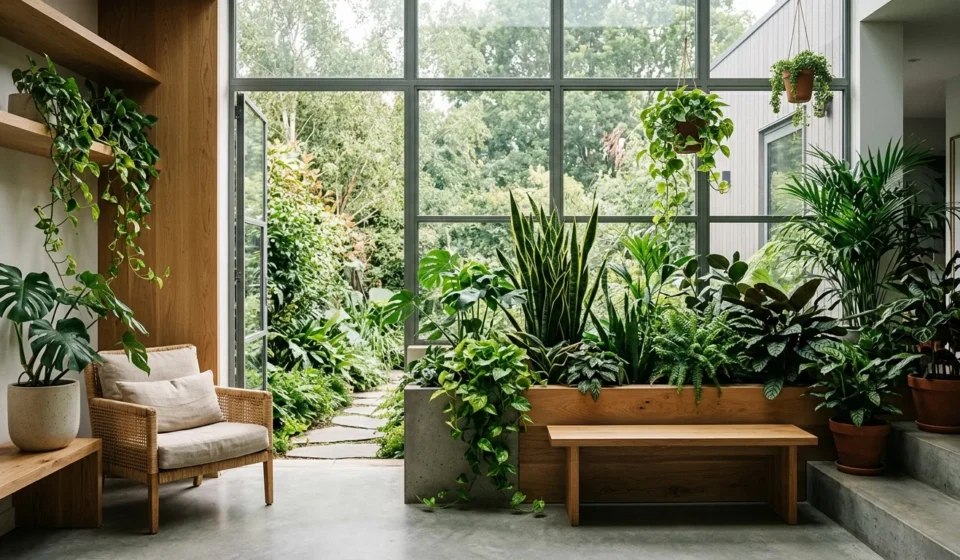
Ever walked into a room filled with lush, green houseplants and thought, “I wish my home looked like that, but I have a black thumb”? Or perhaps you’ve tried once or twice, only to end up with a sad, wilting plant that quickly gave up the ghost. Well, let me tell you, it’s not your fault! Starting your indoor plant journey can feel overwhelming with all the conflicting advice out there. But what if I told you there are beautiful, resilient plants just waiting to brighten your space, even if you’re a complete novice?
Table Of Content
- Why Start with Super Easy Houseplants?
- Our Top Picks for Beginner-Friendly Houseplants
- 1. Snake Plant (Sansevieria trifasciata)
- 2. ZZ Plant (Zamioculcas zamiifolia)
- 3. Pothos (Epipremnum aureum)</h3; Why it’s great: The Pothos is a classic for a reason. Its trailing vines with heart-shaped leaves come in many variegated forms (like ‘Golden’ with yellow splashes or ‘Marble Queen’ with white). It’s super easy to grow and propagate. Light: Adaptable to various light levels, but medium to bright indirect light will encourage the best growth and variegation. It can survive in low light, but its growth might slow down and variegation might fade. Watering: Water when the top 2-3 inches of soil feel dry to the touch. This might be every 7-10 days depending on your home’s conditions. It will tell you it’s thirsty by slightly drooping its leaves, a clear signal that it needs a drink! 4. Spider Plant (Chlorophytum comosum)
- Essential Care Basics for Your New Green Friends
- Light: The Sunshine Factor
- Watering: The Golden Rule
- Soil & Potting: The Foundation
- Troubleshooting Common Beginner Blunders
- Your First Week with a New Plant: A Simple Checklist
- Frequently Asked Questions
- What is the main goal of the Easy Houseplant Care guide?
- Why should beginners start with super easy houseplants?
- What are some key characteristics of the Snake Plant?
- How often should the ZZ Plant be watered?
- What are the lighting requirements for the Pothos plant?
Here at Easy Houseplant Care, we believe everyone deserves the joy of thriving indoor greenery without complicated routines. This guide is designed to cut through the noise, offering you practical, no-fuss advice on choosing and caring for the ultimate easy-to-grow houseplants. Get ready to transform your living space into a green oasis, effortlessly!
Why Start with Super Easy Houseplants?
You might be tempted to jump straight into owning a delicate Fiddle Leaf Fig or a finicky Calathea, but based on my experience, that’s a fast track to disappointment. Starting with easy care plants builds confidence, teaches you fundamental plant care principles, and helps you understand the rhythm of your home environment. These resilient beauties forgive minor mistakes, bounce back quickly, and still offer all the aesthetic and air-purifying benefits of their fussier cousins.
Think of it like learning to drive a car. You don’t start with a race car; you begin with a reliable, easy-to-handle model. The same goes for your journey as a plant parent. Once you master the basics with these forgiving plants, you’ll feel much more prepared to tackle more challenging species, should you choose to. Plus, honestly, who wants extra stress? We’re aiming for joy and relaxation here!
Our Top Picks for Beginner-Friendly Houseplants
Ready to meet your new green companions? These are the real MVPs of the houseplant world – tough, beautiful, and incredibly forgiving. I’ve personally seen these plants thrive in countless homes, from sunny apartments to dimly lit office corners.
1. Snake Plant (Sansevieria trifasciata)
- Why it’s great: Almost indestructible. Tolerates neglect like a champ, purifies air, and looks super stylish with its upright, sword-like leaves. Varieties like ‘Laurentii’ or ‘Zeylanica’ are popular.
- Light: Very versatile. Thrives in bright indirect light (think near a window but not in direct sun) but can tolerate low light conditions beautifully. Just don’t put it in a dark closet!
- Watering: The key is infrequent watering. Allow the soil to dry out completely between waterings, usually every 2-4 weeks. When in doubt, wait another week. Overwatering is its only real enemy.
2. ZZ Plant (Zamioculcas zamiifolia)
- Why it’s great: Another champion of neglect, the ZZ Plant boasts glossy, dark green leaves that look almost artificial. It’s incredibly drought-tolerant thanks to its rhizomes (underground stems that store water).
- Light: Similar to the Snake Plant, it prefers bright indirect light but can happily exist in low light conditions, making it perfect for those darker corners.
- Watering: Water only when the soil is completely dry, often every 3-4 weeks. If you forget for a month, it will likely still be fine! Less is definitely more with this one.
3. Pothos (Epipremnum aureum)</h3;
- Why it’s great: The Pothos is a classic for a reason. Its trailing vines with heart-shaped leaves come in many variegated forms (like ‘Golden’ with yellow splashes or ‘Marble Queen’ with white). It’s super easy to grow and propagate.
- Light: Adaptable to various light levels, but medium to bright indirect light will encourage the best growth and variegation. It can survive in low light, but its growth might slow down and variegation might fade.
- Watering: Water when the top 2-3 inches of soil feel dry to the touch. This might be every 7-10 days depending on your home’s conditions. It will tell you it’s thirsty by slightly drooping its leaves, a clear signal that it needs a drink!
4. Spider Plant (Chlorophytum comosum)
- Why it’s great: Known for its arching leaves and adorable “spiderettes” (baby plants) that dangle from its stems, the Spider Plant is a fantastic air purifier and a breeze to care for. It’s also super easy to propagate those little spiderettes!
- Light: Prefers bright to medium indirect light. Direct sun can scorch its leaves, while very low light can make it lose its vibrant variegation.
- Watering: Keep the soil consistently moist but never soggy. Water when the top inch or two of soil feels dry. For example, imagine this situation: if you typically water every 7 days, try checking the soil around day 5. If it’s still damp, wait a day or two more.
Essential Care Basics for Your New Green Friends
Even the easiest plants need a little love. Don’t worry, these basics are truly simple and will set your plants up for success.
Light: The Sunshine Factor
Understanding light is crucial. Bright indirect light means your plant can see the sky, but the sun’s rays don’t hit its leaves directly. Think a few feet away from a south or west-facing window, or right by an east-facing window. Medium light is a bit further from a window, where the light is noticeably softer. Low light means a room corner that receives some ambient light but no direct view of the sky. For beginners, err on the side of brighter indirect light, as most plants struggle more with too little light than slightly too much.
Watering: The Golden Rule
This is where most beginners go wrong, usually by overwatering. Always use pots with drainage holes – non-negotiable! When you water, do so thoroughly until water comes out the bottom of the pot. Then, let the soil dry out as recommended for your specific plant. A moisture meter is an excellent, inexpensive tool that takes the guesswork out of watering, telling you exactly when your plant needs a drink. I highly recommend them for new plant parents!
Soil & Potting: The Foundation
Most of these easy plants will be happy in a standard well-draining potting mix. This typically means a mix that retains some moisture but allows excess water to escape quickly, preventing root rot. You can often improve a basic potting mix by adding 20-30% perlite, which enhances drainage and aeration. When choosing a pot, make sure it’s not too big for your plant; a pot that’s too large holds too much moisture, again leading to root rot. A general rule is to only go up one pot size (e.g., from a 4-inch to a 6-inch pot) when repotting.
Troubleshooting Common Beginner Blunders
Even with easy plants, things can occasionally go awry. Don’t panic! Most problems are fixable.
- Yellow Leaves: This is often a sign of overwatering, especially if the leaves are soft and mushy. Check the soil moisture deeply. If it’s constantly wet, reduce watering frequency. It could also mean underwatering if the leaves are dry and crispy, particularly on lower leaves.
- Drooping Leaves: For Pothos or Peace Lilies, this is a classic sign of thirst. Give them a good drink, and they should perk up within hours. For other plants, it can sometimes indicate overwatering if the soil is soggy.
- Brown, Crispy Leaf Tips: This usually points to low humidity or inconsistent watering. While many easy plants are tolerant, a pebble tray with water beneath the pot (don’t let the pot sit in the water!) can help, or simply try to be more consistent with your watering schedule.
Remember, a plant is a living thing, and sometimes it just needs a little adjustment to its environment. Don’t be afraid to experiment a bit with placement or watering frequency until you find what works best for your specific plant in your specific home.
Your First Week with a New Plant: A Simple Checklist
Bringing a new plant home is exciting! Here’s a quick guide to ensure a smooth transition and a happy beginning for your beginner houseplant.
- Unpack & Inspect: Gently remove your plant from its packaging. Check for any signs of pests (tiny bugs, sticky residue, fine webbing) or damage. If you spot pests, isolate the plant and treat it immediately with an insecticidal soap or neem oil spray.
- Choose Its Spot: Place your plant in an appropriate location based on its light requirements. For instance, put that new Snake Plant in a medium to bright indirect light spot, away from drafts or extreme temperature changes.
- Check Moisture: Feel the soil. Is it wet, damp, or dry? If it feels very dry, give it a good drink. If it’s still damp, wait. Don’t just water because you brought it home!
- Monitor & Observe: For the first week, pay attention to your plant. How does it look? Are the leaves perky? Is it showing any signs of stress? This helps you learn its language.
- Resist Repotting (for now): Unless the plant is severely root-bound (roots circling aggressively out the bottom), wait a few weeks or even months before repotting. Let it acclimate to its new home first.
And there you have it! Your comprehensive guide to starting your houseplant journey on the right foot. With these robust, beautiful low-maintenance indoor plants and a few simple care habits, you’re well on your way to enjoying the countless benefits of indoor greenery. Remember, every plant parent started somewhere, and with the right choices and a bit of patience, you’ll be a confident green thumb in no time. Happy planting!
Frequently Asked Questions
What is the main goal of the Easy Houseplant Care guide?
The main goal of the Easy Houseplant Care guide is to provide practical, no-fuss advice on choosing and caring for easy-to-grow houseplants, helping beginners to create a thriving indoor greenery without complicated routines. This guide aims to cut through the noise and offer confidence-building, fundamental plant care principles. By starting with easy care plants, individuals can understand the rhythm of their home environment and eventually move on to more challenging species.
Why should beginners start with super easy houseplants?
Starting with easy care plants builds confidence, teaches fundamental plant care principles, and helps understand the rhythm of the home environment. These resilient plants forgive minor mistakes, bounce back quickly, and offer aesthetic and air-purifying benefits. This approach allows beginners to master the basics before moving on to more challenging species, making the plant parenting journey less stressful and more enjoyable.
What are some key characteristics of the Snake Plant?
The Snake Plant is almost indestructible, tolerates neglect, purifies air, and has stylish, upright, sword-like leaves. It thrives in bright indirect light but can tolerate low light conditions, and requires infrequent watering, allowing the soil to dry out completely between waterings. Overwatering is its only real enemy, making it a great choice for busy people or those new to plant care.
How often should the ZZ Plant be watered?
The ZZ Plant should be watered only when the soil is completely dry, often every 3-4 weeks. If forgotten for a month, it will likely still be fine, as it is incredibly drought-tolerant thanks to its rhizomes. This makes the ZZ Plant a low-maintenance option for those who tend to forget to water their plants or have a busy schedule.
What are the lighting requirements for the Pothos plant?
The Pothos plant is adaptable to various light levels, but medium to bright indirect light will encourage the best growth and variegation. It can survive in low light, but its growth might slow down and variegation might fade. Placing the Pothos in a spot with bright indirect light will help it thrive and maintain its beautiful, trailing vines with heart-shaped leaves.