
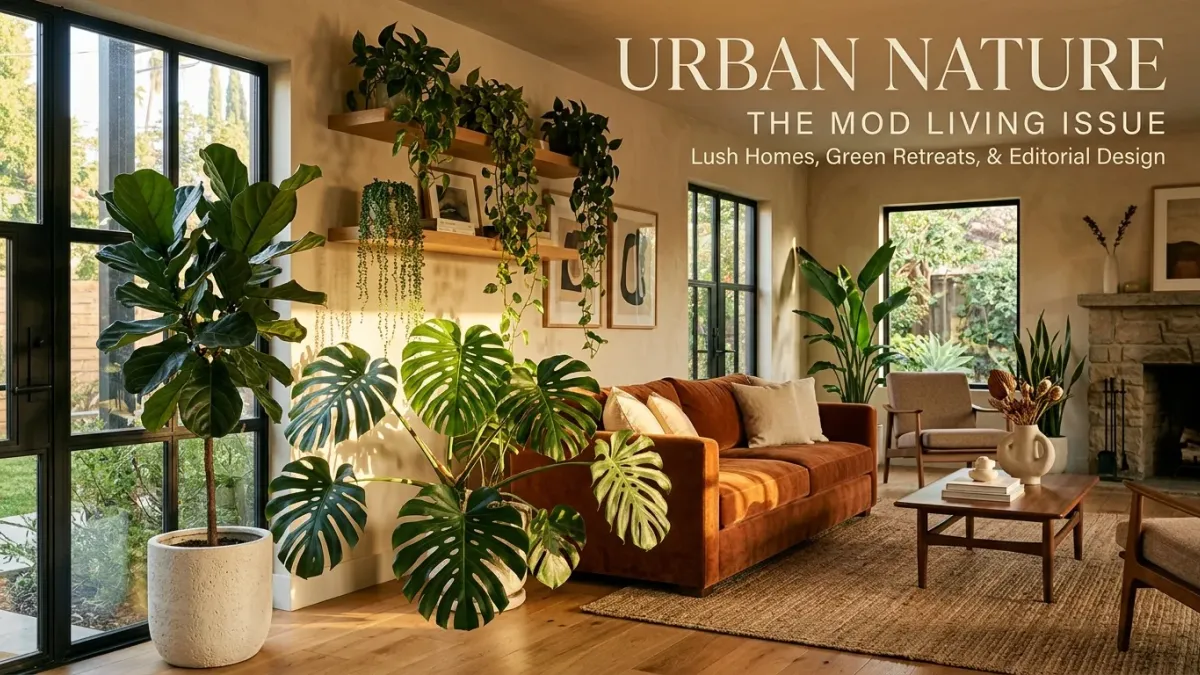
Transforming your living room into a lush, green sanctuary doesn't have to be a complicated affair. With the right guidance, anyone can cultivate beautiful indoor greenery that thrives and enhances their home's atmosphere. Choosing the perfect plants for your living room is about more than just aesthetics; it's about understanding your space, your lifestyle, and the unique needs of each plant.
Before You Buy: Understanding Your Living Room's Environment
Before you even think about which plants catch your eye, take a moment to really get to know your living room. It's like finding a roommate: you wouldn't just pick someone based on how they look, right? You'd consider their habits and needs. The same goes for your future living room plants.
Light Levels: The Plant's Most Crucial Need
This is, honestly, the number one factor for plant success. Most houseplants prefer bright indirect light—meaning they get plenty of brightness but aren't scorched by direct sunbeams for hours. Think of a spot near a window that gets good light but is shaded by a sheer curtain, or a few feet away from an east or north-facing window. A south or west-facing window often provides strong, direct light, which can be too intense for many plants, leading to scorched leaves.
To put it simply:
- Bright Direct Light: Unfiltered sunbeams hitting the plant for several hours (south or west-facing window). Suitable for cacti and succulents.
- Bright Indirect Light: Plenty of light, but no direct sunbeams. The ideal for most tropical houseplants (a few feet from a south/west window, or near an east/north window).
- Medium Light: A bit further from a bright window, or in a room with a window but no direct view of it. Still enough to read comfortably.
- Low Light: A dimly lit corner, or a room with only a small window. Plants will survive, but rarely thrive or grow much.
Space and Scale: Fitting Plants to Your Room
How much space do you have? Are you looking for a grand statement plant to fill an empty corner, or a collection of smaller plants for shelves and tabletops? Consider both the current size of the plant and its potential mature size. A tiny Monstera deliciosa can eventually become a sprawling, magnificent beast that needs significant room. Don't forget vertical space too – hanging planters can utilize otherwise unused areas and add a dynamic touch.
Temperature & Humidity: Subtle but Significant
Most living rooms maintain a comfortable temperature range (65-75°F or 18-24°C) which is generally fine for indoor greenery. However, humidity can be a silent killer. Many tropical houseplants hail from humid jungles and appreciate moisture in the air. Dry indoor air, especially in winter with heating systems, can lead to crispy leaf tips or pest issues. You don't need a greenhouse, but grouping plants, using pebble trays, or a small humidifier can make a big difference for humidity-loving species like Calatheas or Ferns.
Matching Plants to Your Lifestyle & Aesthetic
Now that you've assessed your room, let's think about you! What kind of plant parent are you, or do you want to be? Are you a "water once a month and forget it" kind of person, or do you enjoy a daily plant check-in? Your lifestyle greatly influences which easy houseplants will bring you joy, not stress.
For the Low-Maintenance Lover
If you're a beginner or simply short on time, focusing on low-maintenance plants is key. These plants are forgiving of missed waterings and don't demand constant attention. They are the workhorses of the plant world, happy to just exist and look good without much fuss. Honestly, these are where most people should start their indoor plant journey.
Making a Statement: Eye-Catching Centerpieces
Looking for a plant that makes people say "wow!"? A large, architectural plant can anchor a room and draw the eye. These are often larger species that command attention through their unique foliage, size, or growth habit. They can create a focal point and add a touch of drama to your decor.
Pet Parents, Take Note!
If you have furry friends, choosing pet-friendly plants is non-negotiable. Many common houseplants are toxic if ingested by cats or dogs, causing anything from mild stomach upset to more serious issues. Always double-check a plant's toxicity before bringing it home if you have pets who might munch on leaves. A quick search on ASPCA's plant list is always a good idea.
Top Living Room Plant Recommendations
Alright, with your living room's conditions and your personal preferences in mind, let's dive into some concrete plant suggestions. This is where the fun really begins – envisioning your space with these vibrant additions!
Bright Indirect Light Stars
These plants absolutely thrive with plenty of bright, filtered light, making them perfect for rooms with good natural illumination.
- Monstera deliciosa: The ultimate statement plant! Known for its large, fenestrated (holey) leaves. Needs space to grow, a moss pole for support, and consistent watering when the top 2-3 inches of soil are dry.
- Fiddle Leaf Fig (Ficus lyrata): A challenging but rewarding plant with huge, glossy violin-shaped leaves. Needs consistent light, hates drafts, and prefers to dry out almost completely between waterings. Can be a bit dramatic, I'll admit, but stunning when happy.
- Bird of Paradise (Strelitzia nicolai): Large, banana-like leaves give a tropical vibe. Can grow quite tall. Needs consistent moisture and a good amount of light to prevent leggy growth.
- Pothos (Epipremnum aureum): Incredibly versatile and low-maintenance. Its trailing vines look fantastic on shelves or in hanging baskets. Tolerates a range of light but thrives in bright indirect. Water when the top inch or two of soil is dry.
Medium to Low Light Heroes
Don't have a super bright living room? No problem! These plants can still bring life and color to less illuminated corners.
- Snake Plant (Sansevieria trifasciata): Practically indestructible! Tolerates very low light and is extremely drought-tolerant. A fantastic low-maintenance plant, especially varieties like 'Laurentii' with its striking yellow edges. Water only when the soil is completely dry.
- ZZ Plant (Zamioculcas zamiifolia): Another champion of neglect. Its waxy, dark green leaves are incredibly resilient. Thrives in low to medium light and needs infrequent watering – serious drought tolerance here. Overwatering is its only enemy.
- Cast Iron Plant (Aspidistra elatior): As its name suggests, this plant is tough! It handles deep shade, inconsistent watering, and varying temperatures with grace. Perfect for truly challenging spots.
- Peace Lily (Spathiphyllum): Known for its elegant white spathes and ability to droop dramatically when thirsty, signaling exactly when it needs water. Prefers medium to low light and consistently moist soil. Note: Toxic to pets.
Here's a quick comparison of some popular living room choices:
| Plant Name | Light Requirement | Watering Frequency | Pet-Friendly? | Key Feature |
|---|---|---|---|---|
| Monstera deliciosa | Bright Indirect | When top 2-3" dry | No | Large, fenestrated leaves |
| snake plant | Low to Bright Indirect | When soil completely dry | No | Extremely low-maintenance |
| Pothos | Low to Bright Indirect | When top 1-2" dry | No | Trailing, versatile |
| ZZ Plant | Low to Medium | When soil completely dry | No | Drought tolerant, glossy leaves |
| Spider Plant | Medium to Bright Indirect | When top 1" dry | Yes | Easy care, air purifying |
| Prayer Plant | Medium Indirect | Keep consistently moist | Yes | Foliage moves with light |
Essential Care Tips for Your Living Room Jungle
Once you've chosen your living room plants, basic care is paramount to their long-term health. Don't worry, it's not rocket science! I've been there, thinking I needed a complicated routine, but simple consistency is truly the secret sauce.
Watering Wisely: The Golden Rule
The most common killer of houseplants is overwatering. Always check the soil moisture before watering. For most plants, sticking your finger 2 inches deep into the soil is a good test. If it feels dry, it's likely time to water. A moisture meter can take the guesswork out of it, providing precise readings.
When you do water, water thoroughly until you see water draining from the bottom of the pot. Discard any excess water from the saucer to prevent root rot. This method ensures the entire root ball is hydrated. For example, imagine this situation: you just watered your Fiddle Leaf Fig, and an hour later, there's still a puddle in the saucer. What would you do? You'd dump that excess water out immediately!
Nourishing Growth: Fertilizing Fundamentals
Plants need nutrients, especially during their active growing season (spring and summer). A balanced liquid fertilizer, like a 10-10-10, diluted to half strength and applied every 4-6 weeks, is a great starting point. Reduce or stop fertilizing in fall and winter when growth slows down. Remember, more isn't always better when it comes to fertilizer; over-fertilizing can burn roots.
Repotting & Pruning: Keeping Them Happy
As your plants grow, they'll eventually become root-bound, meaning their roots have filled the pot. Repotting into a slightly larger pot (usually 1-2 inches wider) with fresh well-draining soil mix (e.g., 50% potting mix + 30% perlite + 20% orchid bark for aroids) gives them room to expand. This is typically needed every 1-2 years. Pruning can help maintain shape, encourage bushier growth, and remove any yellow or damaged leaves, keeping your plants looking their best.
Common Mistakes and How to Fix Them
Even experienced plant parents make mistakes! It's part of the learning process. The key is to recognize them and adjust your approach. Based on my experience, these are the top pitfalls.
Overwatering Woes
As mentioned, this is the most frequent issue. Signs include yellowing leaves, mushy stems, and a persistent musty smell from the soil.
The Fix: Let the soil dry out more thoroughly between waterings. Use a moisture meter. Ensure your pot has drainage holes. If the plant is really struggling, you might need to repot it into fresh, dry soil and trim off any rotted roots.
Ignoring Light Requirements
Placing a plant that needs bright light in a dim corner, or vice-versa, is a recipe for disaster. Low light will lead to leggy growth, pale leaves, and lack of vibrancy. Too much direct sun causes scorched, crispy leaves.
The Fix: Observe your plant. If it's stretching towards a window (etiolation) or its colors are fading, it needs more light. If leaves are browning and crispy, move it further from intense sun. Reassess the specific bright indirect light requirements of your plant.
Skipping Pest Checks
Tiny invaders like spider mites, mealybugs, and fungus gnats can quickly decimate a healthy plant. Ignoring them allows them to multiply.
The Fix: Regularly inspect your plants, especially the undersides of leaves. If you spot pests, act quickly. Isolate the affected plant and treat with neem oil spray or insecticidal soap according to product instructions. Consistent vigilance is your best defense.
Frequently Asked Questions
What are the easiest living room plants?
The easiest living room plants are typically Snake Plants, ZZ Plants, and Pothos. They tolerate a wide range of light conditions, are forgiving of inconsistent watering, and don't require high humidity.
How often should I water my living room plants?
There's no universal schedule; it depends on the plant, pot size, and environmental conditions. Always check the soil moisture first. Many plants prefer to dry out partially between waterings, usually when the top 1-2 inches of soil are dry.
Can I put any plant in my living room?
While you can technically place any plant there, not all will thrive. Your living room's specific light, temperature, and humidity levels dictate which plants will be happy. Always match the plant's needs to your environment for the best results.
Bringing indoor greenery into your living room is an incredibly rewarding experience that adds beauty, improves air quality, and creates a more inviting atmosphere. By understanding your space and choosing plants that align with your lifestyle, you’re setting yourself up for success. So go ahead, pick a plant, embrace the learning curve, and watch your living room come alive with vibrant life. Happy planting!