Crafting the Perfect Potting Mix: DIY Recipes for Thriving Houseplants

Have you ever brought home a beautiful new houseplant, full of life and vibrant green, only to watch it slowly decline despite your best efforts? Or perhaps you’ve struggled with plants that just never seem to thrive, no matter how perfectly you water or how much light they get? The secret, my friend, often lies beneath the surface – literally! It’s all about the potting mix.
Table Of Content
- Why Your Houseplants Deserve Custom Soil (and Not Just Any Bagged Mix)
- The Essential Ingredients for Your DIY Potting Mix Arsenal
- Tried-and-True DIY Potting Mix Recipes for Common Houseplant Types
- 1. General Purpose Aroid/Tropical Mix (for Pothos, Philodendron, Monstera, ZZ Plant, Snake Plant, Peace Lily)
- 2. Succulent & Cactus Mix (for Cacti, Echeveria, Haworthia, Aloe, Jade Plant)
- 3. Moisture-Loving Mix (for Calathea, Ferns, Fittonia, Prayer Plants)
- Mixing, Potting, and Troubleshooting Your New Soil
- How to Mix Your Soil
- Common Mistakes to Avoid
- Quick “What to Do This Week” Takeaway
- Frequently Asked Questions
- Why do houseplants often decline despite proper watering and lighting?
- What are the biggest issues with generic potting soil mixes?
- What are the essential ingredients for a DIY potting mix?
- Why is custom potting soil important for houseplants?
- How can I create a custom potting mix for my houseplants?
Honestly, I’ve been there. For years, I just grabbed whatever bag of ‘all-purpose’ potting soil was on sale, thinking soil was soil. But what I learned, through many yellowing leaves and sadly departed plants, is that a generic mix just doesn’t cut it for the diverse needs of our indoor green companions. Custom potting mixes are a game-changer, giving your plants exactly what they need to flourish. On Easy Houseplant Care, we’re all about making plant care simple and effective, and crafting your own soil is one of the most impactful steps you can take.
Why Your Houseplants Deserve Custom Soil (and Not Just Any Bagged Mix)
Think about it: in nature, plants grow in incredibly varied environments, from arid deserts to dense rainforests. Each type of plant has evolved to thrive in a specific soil composition. A cactus, for instance, would rot in the rich, moisture-retentive soil a fern adores, and vice versa. Most bagged potting soils are designed as a “one-size-fits-all” solution, which often means they’re a “good-for-nothing-special” solution for your specific plants.
The biggest issues with generic mixes are often drainage and aeration. Well-draining soil allows excess water to quickly flow out of the pot, preventing the roots from sitting in soggy conditions, which leads to root rot – the silent killer of many houseplants. Aeration refers to the air pockets within the soil, crucial for roots to breathe and absorb nutrients. Dense, compacted soil suffocates roots, leading to stunted growth and unhealthy plants. Generic mixes often become dense and compacted over time, starving roots of precious oxygen.
For example, imagine this situation: you’ve lovingly watered your Monstera, but a few days later, the soil is still soaking wet. The leaves start to yellow, then turn mushy. This is a classic sign of root rot caused by poor drainage and lack of aeration in the soil. If you had used a custom, airy mix, that water would have flowed through, leaving just the right amount of moisture for the roots to thrive.
The Essential Ingredients for Your DIY Potting Mix Arsenal
Building your own soil mix is like being a chef – you choose the best ingredients to create the perfect dish for your plants. Here are the core components you’ll want to have on hand:
- Base (Structure & Water Retention):
- High-Quality Potting Mix:</em> This is your foundation. Look for a peat-free or coco coir-based mix if possible, as it's more sustainable. It provides initial nutrients and a basic structure.
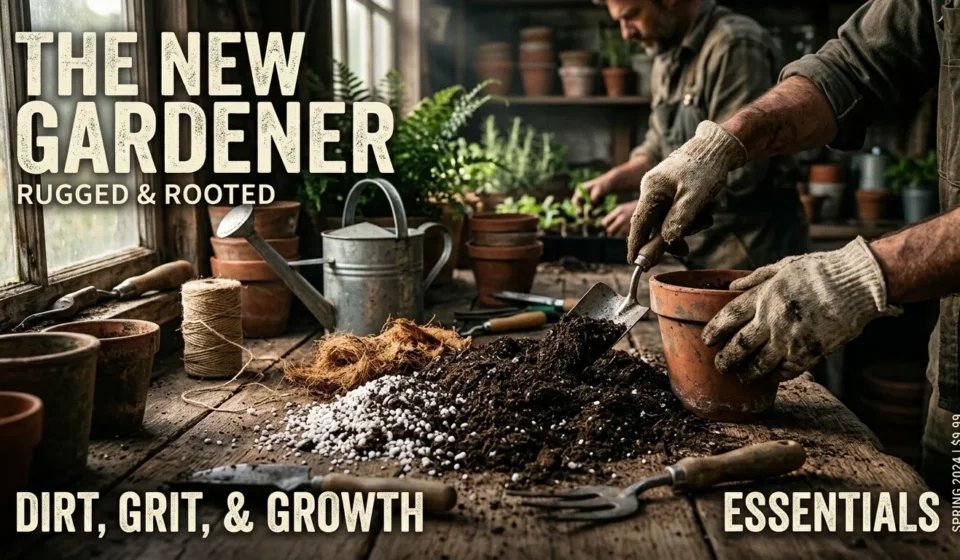
- Coco Coir:</em> A fantastic, sustainable alternative to peat moss. It’s excellent for water retention while also promoting good aeration. It comes compressed and expands when hydrated.
- Peat Moss:</em> Traditionally used for its ability to hold moisture and nutrients. Use sparingly due to environmental concerns, or choose coco coir.
- Aeration & Drainage Enhancers:
- Perlite:</em> Those little white bits that look like Styrofoam. Perlite is a volcanic glass that's super lightweight and creates air pockets, drastically improving drainage and aeration. Essential for almost all mixes.
- Pumice:</em> Similar to perlite but heavier and less dusty. It's also volcanic rock, excellent for drainage and aeration, and doesn't float as much as perlite.
- Orchid Bark (Fir Bark):</em> Chunks of bark that provide excellent aeration and mimic the epiphytic conditions many tropical plants (like Monsteras and Philodendrons) love. It also adds a rustic, chunky texture.
- Coarse Sand/Grit:</em> Specifically for succulents and cacti, this improves drainage significantly.
- Moisture & Nutrient Boosters (Optional, but beneficial):
- Vermiculite:</em> A mineral that expands when heated, creating small pockets that retain both water and nutrients. Good for plants that like consistent moisture.
- Worm Castings:</em> Nature's perfect slow-release fertilizer! These add beneficial microbes and a gentle nutrient boost to any mix. Your plants will absolutely love them!
- Activated Charcoal:</em> Helps absorb impurities and odors, and can contribute to a healthier soil environment, especially in terrariums or closed systems.
Tried-and-True DIY Potting Mix Recipes for Common Houseplant Types
Now for the fun part – mixing! Remember, these are guidelines. Feel free to adjust slightly based on your specific environment and your plant’s feedback. I always recommend using “parts” rather than strict measurements, so you can scale up or down easily.
1. General Purpose Aroid/Tropical Mix (for Pothos, Philodendron, Monstera, ZZ Plant, Snake Plant, Peace Lily)
This is my go-to for most of my leafy tropicals. It provides excellent drainage while still holding enough moisture for happy growth. It’s what I’d consider a fantastic houseplant soil starter.
- 2 parts high-quality potting mix (or coco coir)
- 1 part perlite or pumice
- 1 part orchid bark (medium grade)
- Optional: 1/2 part worm castings for an extra nutrient boost.
Why it works:</em> The potting mix provides structure and some initial nutrients, while the perlite/pumice and orchid bark ensure superb aeration and well-draining soil, mimicking the chunky, airy substrate many of these plants would find in their natural climbing habitats.
2. Succulent & Cactus Mix (for Cacti, Echeveria, Haworthia, Aloe, Jade Plant)
These desert dwellers absolutely despise wet feet. This mix prioritizes rapid drainage above all else.
- 1 part high-quality potting mix (or coco coir)
- 1 part perlite or pumice
- 1 part coarse sand or small grit (like chicken grit or small aquarium gravel)
Why it works:</em> The high proportion of gritty materials ensures water rushes through almost instantly, preventing moisture from lingering around the roots and causing root rot. This DIY soil is perfect for dry-loving plants.
3. Moisture-Loving Mix (for Calathea, Ferns, Fittonia, Prayer Plants)
These plants prefer consistently moist (but never soggy!) soil and appreciate a bit more humidity. This mix focuses on gentle water retention.
- 2 parts high-quality potting mix (or coco coir)</li&
- 1 part perlite
- 1/2 part vermiculite
- Optional: 1/2 part worm castings.
Why it works: The added vermiculite helps retain that extra bit of moisture without becoming waterlogged, while the perlite still ensures enough aeration to keep roots healthy. This custom potting mix aims for balance.
Mixing, Potting, and Troubleshooting Your New Soil
How to Mix Your Soil:
- Gather your ingredients:</strong> Lay out all your chosen components.
- Find a clean workspace:</strong> A large tub, bucket, or even a tarp spread on the floor works well. Wear gloves!
- Measure and combine:</strong> Use a scoop or old measuring cup to combine your "parts."
- Mix thoroughly:</strong> Get your hands in there and mix until everything is evenly distributed. You want consistent texture throughout.
- Pre-moisten (optional but recommended):</strong> Add a little water to your mix and stir again. You want it damp, not soaking wet – like a wrung-out sponge. This helps prevent dry spots in the pot and aids in settling.
Common Mistakes to Avoid:
- Using garden soil:</strong> Never, ever use soil from your outdoor garden for houseplants. It's too dense, can harbor pests, diseases, and weed seeds, and compacts terribly in a pot.
- Not mixing thoroughly:</strong> Uneven distribution means some parts of the root ball will get too much water, others not enough. Take your time!
- Ignoring plant-specific needs:</strong> The whole point of DIY soil is customization. Don’t use your succulent mix for your fern!
- Packing soil too tightly:</strong> When repotting, gently tap the pot to settle the soil, but don't press it down firmly. You want those precious air pockets for aeration.
Quick “What to Do This Week” Takeaway:
Take a moment to check on your existing houseplants. Does their soil feel dense and heavy? Does it stay wet for too long after watering, or dry out into a hard brick? If so, consider investing in some soil amendments like perlite, orchid bark, or coco coir. The next time you need to repot, you’ll be ready to create a tailor-made potting mix that your plants will absolutely adore.
Creating your own DIY soil mixes might seem like an extra step, but trust me, it’s one of the most rewarding things you can do for your houseplants. It empowers you to truly understand their needs and provide an optimal environment for growth. You’ll see healthier roots, more vibrant foliage, and happier plants overall. So go ahead, get your hands a little dirty, and give your green friends the perfect foundation to thrive. They’ll thank you with lush, beautiful growth!
Frequently Asked Questions
Why do houseplants often decline despite proper watering and lighting?
The decline of houseplants can often be attributed to the potting mix used. A generic, all-purpose potting soil may not provide the specific needs of the plant, leading to issues such as poor drainage and aeration. Custom potting mixes can address these issues and provide the necessary nutrients for the plant to thrive. By using a tailored mix, you can give your plants exactly what they need to flourish.
What are the biggest issues with generic potting soil mixes?
The biggest issues with generic potting soil mixes are often related to drainage and aeration. These mixes can become dense and compacted over time, leading to waterlogged soil and root rot. Additionally, they may not provide enough air pockets for the roots to breathe and absorb nutrients, resulting in stunted growth and unhealthy plants. Using a custom mix can help alleviate these issues and promote healthy plant growth.
What are the essential ingredients for a DIY potting mix?
The essential ingredients for a DIY potting mix include a base such as high-quality potting mix, coco coir, or peat moss, which provides structure and water retention. Aeration and drainage enhancers like perlite, pumice, orchid bark, and coarse sand or grit are also crucial for creating a well-draining and airy mix. These ingredients can be combined in different ratios to create a custom mix tailored to the specific needs of your plants.
Why is custom potting soil important for houseplants?
Custom potting soil is important for houseplants because it allows you to tailor the mix to the specific needs of your plants. Different plants have evolved to thrive in different soil compositions, and a generic mix may not provide the necessary nutrients and conditions for optimal growth. By creating a custom mix, you can address the unique needs of your plants and provide them with the best possible chance to thrive.
How can I create a custom potting mix for my houseplants?
To create a custom potting mix for your houseplants, start by selecting a base ingredient such as high-quality potting mix, coco coir, or peat moss. Then, add aeration and drainage enhancers like perlite, pumice, or orchid bark to create a well-draining and airy mix. You can also add other ingredients such as coarse sand or grit to tailor the mix to the specific needs of your plants. Experiment with different ratios and ingredients to find the perfect mix for your houseplants.