Brighten Your Home: The Ultimate Guide to Houseplant Light Needs

Let’s be honest, finding the right spot for a new houseplant often feels like a guessing game, doesn’t it? You bring home a beautiful plant, place it where you think it looks best, and then cross your fingers. But what if you could take the guesswork out of it and truly understand what your green friend needs to flourish? It’s not as complicated as it sounds, I promise!
Table Of Content
- Why Light is Non-Negotiable (and What Photosynthesis Means for You)
- Decoding Indoor Light Levels: Bright Indirect, Medium, and Low
- Bright Indirect Light: The Sweet Spot for Most Plants
- Medium Light: Adaptable and forgiving
- Low Light: The Underestimated Heroes
- Direct Sun: Handle with Care!
- Finding the Perfect Spot: A Room-by-Room Guide
- When Natural Light Isn’t Enough: Embracing Grow Lights
- Troubleshooting Light-Related Problems
- Signs of Too Much Light
- Signs of Not Enough Light
- Quick “What to Do This Week” Takeaway
- Frequently Asked Questions
- What is the most crucial factor for a houseplant's survival and happiness?
- What is photosynthesis and how does it affect houseplants?
- What is bright indirect light and which plants thrive in it?
- How can I identify medium light conditions in my home?
- What are low light conditions and which plants can tolerate them?
Light is arguably the most crucial factor>/strong> for your houseplant’s survival and happiness, even more so than water or soil. Think about it: plants use light to make their food through a magical process called photosynthesis. No light, no food, no thriving plant. It’s that simple. On Easy Houseplant Care, we believe that understanding light is the first step to becoming a confident plant parent.
Why Light is Non-Negotiable (and What Photosynthesis Means for You)
You’ve heard the term “photosynthesis” before, probably in science class, but what does it really mean for your Monstera? Essentially, photosynthesis is how plants convert light energy into chemical energy (sugars) for growth. They use chlorophyll, the green pigment in their leaves, to capture light, along with carbon dioxide from the air and water from the soil, to create the energy they need to grow new leaves, stems, and roots.
The quality and quantity of light directly impact how efficiently your plant can perform this vital process. Too little light, and your plant will essentially starve; too much, and it can get “sunburnt.” It’s a delicate balance, but one you can totally master with a little guidance. My goal here is to equip you with the knowledge to make smart choices for your indoor plant lighting, ensuring your plants don’t just survive, but truly thrive.
Decoding Indoor Light Levels: Bright Indirect, Medium, and Low
When a plant tag says “bright indirect light,” what does that actually look like in your home? Let’s break down the common light categories so you can confidently identify them.
Bright Indirect Light: The Sweet Spot for Most Plants
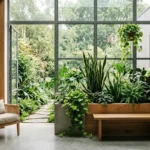
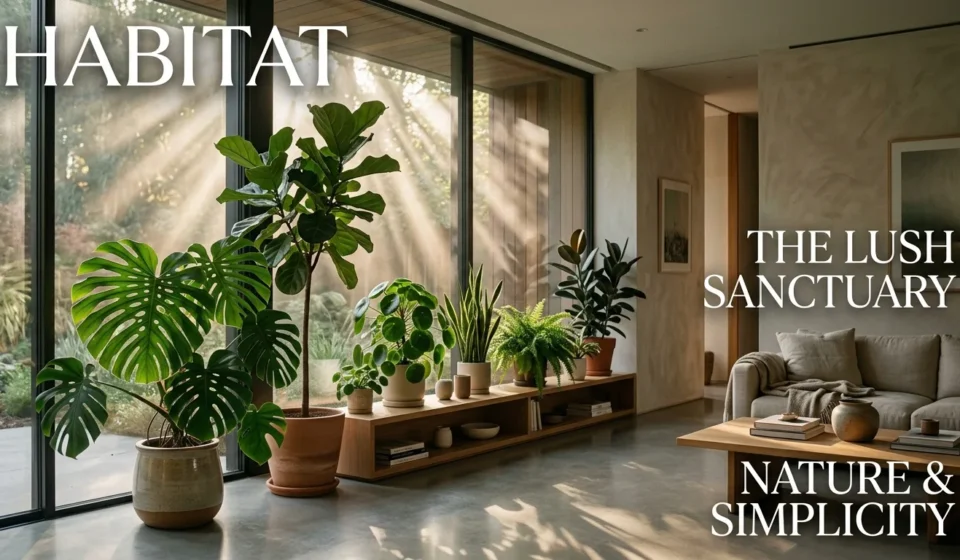
Bright indirect light is the golden standard for a vast majority of popular houseplants. This means your plant receives plenty of bright light, but the sun’s rays never directly hit its leaves. Think of it as a sunny spot that’s been filtered or diffused – maybe by a sheer curtain, a few feet away from a sunny window, or under the canopy of a larger tree in nature.
- How to identify: If you can comfortably read a book without needing extra light, and there are no harsh, defined shadows on your plant, you’re likely in bright indirect territory. It’s often found near east-facing windows, or a few feet away from south or west-facing windows.
- Plants that love it: Monstera deliciosa, Fiddle Leaf Fig, Pothos, Philodendron, Calathea orbifolia, and most ferns.
Medium Light: Adaptable and forgiving
Medium light is a step down from bright indirect. It’s still a well-lit space, but not quite as intense. This could be a spot a little further from a bright window, or in a room with a window that receives less direct sun overall. Plants here appreciate light but aren’t demanding the brightest conditions.
- How to identify: There’s enough light to see clearly, but shadows are soft and diffused, not crisp. It’s often found in the middle of a room with a window, or near a north-facing window.
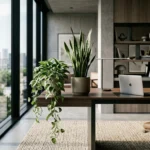
- Plants that love it: ZZ Plant, Snake Plant ‘Laurentii’, Peace Lily, Dracaena. Many plants that thrive in bright indirect light can also tolerate medium light, though they might grow a bit slower.
Low Light: The Underestimated Heroes
Don’t let the term low light fool you; no plant truly thrives in total darkness! Low light simply means minimal light. These are areas far from windows, in hallways, or rooms with very small windows. Plants adapted to these conditions are often exceptionally hardy and slow-growing.
- How to identify: It’s a spot where you might need to turn on a light to comfortably read. Shadows are barely noticeable or very faint. Think of a bathroom with a small window or a dimly lit corner of a living room.
- Plants that love it: Cast Iron Plant, Aglaonema (Chinese Evergreen), Pothos (will tolerate, but grow slowly).
Direct Sun: Handle with Care!
While a few houseplants, like most succulents and cacti, absolutely adore direct sunlight streaming through a window, most others will get scorched. Direct sun means the unfiltered rays of the sun hitting the plant’s leaves. For most tropical houseplants, this is a recipe for disaster, leading to burnt, bleached foliage.
Finding the Perfect Spot: A Room-by-Room Guide
Now that you know the definitions, how do you apply them to your actual living space? It often comes down to your windows. Different window exposures offer different light conditions throughout the day.
- North-facing windows: Offer consistent, gentle, indirect light all day. Great for medium to low-light plants, or plants that need bright indirect light right up against the window.
- East-facing windows: Provide lovely, soft morning sun for a few hours, then bright indirect light for the rest of the day. Ideal for almost all plants that prefer bright indirect light.
- South-facing windows: Deliver the most intense, direct light, especially in winter. Best for succulents and cacti. For most other plants, place them several feet away, or use sheer curtains to diffuse the light.
- West-facing windows: Offer harsh, hot afternoon sun. Similar to south-facing, use caution. Place plants further away or use sheer curtains to protect them from scorching.
Here’s a quick trick: the “hand test.” Hold your hand about 12 inches above where your plant will sit. If you see a sharp, well-defined shadow, it’s bright light (potentially direct). If the shadow is soft and fuzzy, it’s bright indirect. If there’s barely a shadow, it’s low light. This simple test is a game-changer for evaluating your space!
For example, imagine this situation: You’ve got a beautiful Fiddle Leaf Fig that wants bright indirect light, but your only south-facing window is blazing hot. What do you do? Instead of placing it right in the window, pull it back 5-6 feet, or use a sheer curtain to filter that intense light. It’s about adapting your space to your plant’s needs, not forcing your plant into the wrong spot.
When Natural Light Isn’t Enough: Embracing Grow Lights
Honestly, not everyone lives in a sun-drenched apartment, and that’s perfectly okay! If your home is naturally dim, or if you want to grow plants that need more light than your windows can provide, grow lights are your secret weapon. They’ve become super affordable and efficient, especially LED options.
LED grow lights are fantastic because they use less energy, produce less heat, and often come in sleek designs that blend into your home. You don’t need a massive, industrial-looking setup. A simple full-spectrum LED bulb in a regular lamp can make a huge difference. Based on my experience, even a small grow light can turn a struggling plant around, especially during those dark winter months.
When using grow lights, aim for 12-16 hours a day for most plants. The distance matters too: generally, keep LED lights 12-24 inches above your plants, but always check the manufacturer’s recommendations. Some plants, especially those that need brighter conditions, can tolerate being closer. It’s all about providing that consistent, controlled light.
Troubleshooting Light-Related Problems
Your plants are always communicating with you, and often, their leaves tell the story of their light situation. Learning to read these signs is key to happy plants.
Signs of Too Much Light
- Yellowing or bleached leaves: Especially on the side facing the light. The chlorophyll is breaking down.
- Brown, crispy spots or edges: Sunburn! This is literally tissue damage.
- Scorched appearance: Leaves look dry and brittle.
- Stunted growth: The plant might be putting all its energy into protection rather than growth.
What to do: Move your plant further away from the window, add a sheer curtain, or relocate it to a less intense spot. Trim off any badly damaged leaves.
Signs of Not Enough Light
- Leggy, stretched growth: The plant is literally “reaching” for more light, with long gaps between leaves.
- Small, pale leaves: New growth is tiny and lacks vibrant color.
- Lack of variegation: Patterned leaves might lose their distinctive markings and turn plain green.
- No new growth or extremely slow growth: The plant is essentially in survival mode.
- Yellowing lower leaves and leaf drop: The plant is trying to conserve energy by shedding leaves it can’t support.
What to do: Move your plant closer to a window, trim back leggy stems to encourage bushier growth, or supplement with a grow light. Rotate your plants regularly so all sides get adequate exposure.
Quick “What to Do This Week” Takeaway
This week, take a mindful tour of your home. Use the hand test in different areas. Compare the light you’re actually getting to the needs of your plants. Are any plants showing signs of too much or too little light? Make one small adjustment – move a plant a few feet, add a sheer curtain, or even just rotate it. Observe how it responds over the next few days. Remember, becoming a great plant parent is all about observation and gentle adjustments.
Understanding houseplant light requirements is truly foundational to successful indoor gardening. It empowers you to choose the right plants for your space and to provide them with exactly what they need to flourish, without complicated routines. By paying attention to these simple principles, you’ll see a dramatic improvement in your plant’s health and vibrancy. Happy planting, and enjoy watching your green friends glow!
Frequently Asked Questions
What is the most crucial factor for a houseplant's survival and happiness?
Light is the most crucial factor for a houseplant's survival and happiness, even more so than water or soil. Plants use light to make their food through a process called photosynthesis, and without it, they cannot thrive. Understanding light is the first step to becoming a confident plant parent.
What is photosynthesis and how does it affect houseplants?
Photosynthesis is the process by which plants convert light energy into chemical energy, or sugars, for growth. They use chlorophyll, carbon dioxide, and water to create the energy they need to grow new leaves, stems, and roots. The quality and quantity of light directly impact how efficiently a plant can perform this vital process.
What is bright indirect light and which plants thrive in it?
Bright indirect light is the golden standard for a vast majority of popular houseplants. It means the plant receives plenty of bright light, but the sun's rays never directly hit its leaves. Plants like Monstera deliciosa, Fiddle Leaf Fig, Pothos, Philodendron, and Calathea orbifolia thrive in bright indirect light, often found near east-facing windows or a few feet away from south or west-facing windows.
How can I identify medium light conditions in my home?
Medium light is a step down from bright indirect light. It's still a well-lit space, but not quite as intense. To identify medium light, look for soft and diffused shadows, and a spot where you can see clearly without harsh, defined shadows. Plants like ZZ Plant, Snake Plant 'Laurentii', and Peace Lily thrive in medium light conditions, often found in the middle of a room with a window or near a north-facing window.
What are low light conditions and which plants can tolerate them?
Low light conditions mean minimal light, often found in areas far from windows, in hallways, or rooms with very small windows. Plants adapted to these conditions are often exceptionally hardy and slow-growing. While no plant truly thrives in total darkness, some plants can tolerate low light conditions, such as Chinese Evergreen or Pothos, which can survive with minimal light but may not grow as quickly or healthily as they would in brighter conditions.