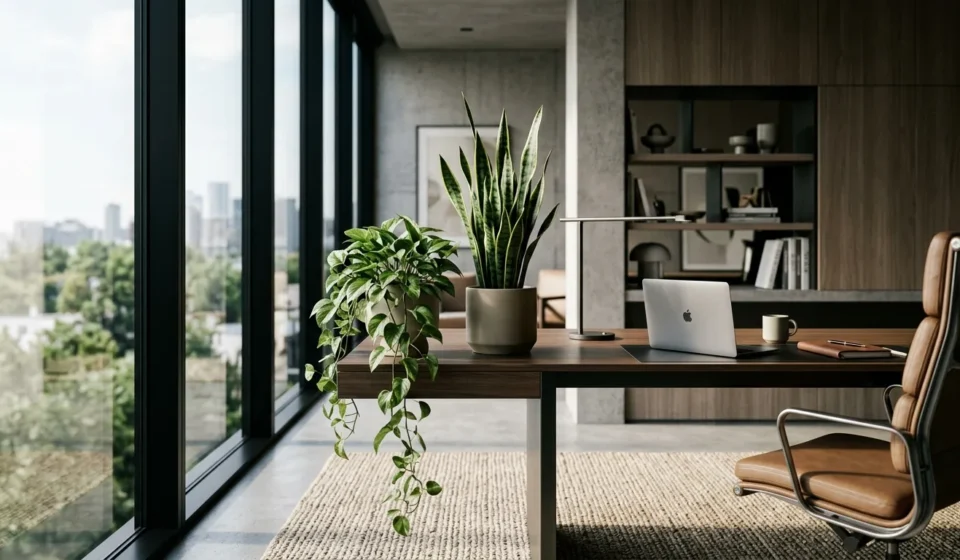
Boost Your Workspace: Top Low-Maintenance Office Plants That Thrive Indoors

Let’s be honest, staring at a screen all day can sometimes feel a bit… sterile. What if I told you there’s a super simple way to inject life, calm, and even a productivity boost into your office or home workspace? Enter the wonderful world of low-maintenance office plants! You don’t need a green thumb or hours of free time to enjoy the benefits of indoor greenery. From purifying your air to simply making you smile, a well-chosen plant can truly transform your desk or office corner. I’ve been there, trying to find plants that tolerate my sometimes-forgetful watering habits and the unpredictable office environment, and I’m excited to share my top picks that will thrive with minimal fuss.
Table Of Content
- The Unsung Heroes: Top Low-Maintenance Office Plants
- Snake Plant (Sansevieria trifasciata): The Indestructible Air Purifier
- ZZ Plant (Zamioculcas zamiifolia): Elegance with Zero Demands
- Pothos (Epipremnum aureum): Trailing Beauty for Any Corner
- Spider Plant (Chlorophytum comosum): Classic Charm, Easy Pups
- Peace Lily (Spathiphyllum): Floral Grace (with a little nudge)
- Setting Up Your Office Oasis: Essential Care Tips
- Understanding Light: The #1 Factor
- Watering Wisely: Less is More
- Soil & Pots: The Foundation of Health
- Humidity & Airflow: Often Overlooked
- Common Office Plant Pitfalls & How to Avoid Them
- Your Quick Plant Action Plan for This Week
- Frequently Asked Questions
- What are the benefits of having low-maintenance office plants?
- Which plant is known for its indestructible reputation and air purifying qualities?
- How often should I water my ZZ Plant?
- What are the lighting requirements for a Pothos plant?
- Why is the Spider Plant a great choice for a workspace?
The Unsung Heroes: Top Low-Maintenance Office Plants
When it comes to plants for your workspace, we’re looking for champions that don’t demand constant attention. These are the hardy, forgiving types that can handle varied lighting and won’t throw a tantrum if you miss a watering session or two. Trust me, I’ve put these through their paces!
Snake Plant (Sansevieria trifasciata): The Indestructible Air Purifier
If there’s one plant that truly lives up to its ‘indestructible’ reputation, it’s the Snake Plant, also known as Sansevieria. These architectural beauties, like the popular ‘Laurentii’ variety with its yellow-edged leaves, are practically impossible to kill. They’re super forgiving, making them ideal for even the most forgetful plant parent.
- Light: Incredibly adaptable. They can tolerate low light (think a dimly lit corner) but will absolutely thrive and grow faster in bright indirect light (near a window but not in direct sun).
- Water: This is where they excel at being low-maintenance. Water only when the soil is completely dry, usually every 2-4 weeks. When in doubt, wait another week! Overwatering is their only real enemy.
- Why it’s great for offices: Air purifying qualities, super hardy, and takes up minimal desk space with its upright growth.
ZZ Plant (Zamioculcas zamiifolia): Elegance with Zero Demands
The ZZ Plant is another absolute superstar for busy people. With its glossy, dark green leaves and upright stems, it looks sleek and modern without needing constant fuss. Its thick, potato-like rhizomes underground store water, making it incredibly drought-tolerant.
- Light: Tolerates low to medium indirect light. It will grow slower in low light, but it won’t complain. Avoid direct, harsh sun.
- Water: Extremely drought-tolerant. Water thoroughly only when the soil is bone dry, typically every 3-5 weeks. Seriously, if you forget about this plant for a month, it will probably be fine.
- Why it’s great for offices: Super resilient, stylish appearance, and can handle inconsistent care without batting an eyelid.
Pothos (Epipremnum aureum): Trailing Beauty for Any Corner
Pothos, often called ‘Devil’s Ivy,’ is perhaps one of the most popular and forgiving houseplants, and for good reason! Its trailing vines, especially varieties like ‘Golden Pothos’ or ‘Marble Queen’, add a beautiful cascade of greenery to shelves, filing cabinets, or even hanging baskets.
- Light: Prefers medium to bright indirect light for the best variegation, but it can adapt to low light conditions, though its growth may slow and leaves might lose some color.
- Water: Water when the top 2-3 inches of soil feel dry. Typically, this means every 7-10 days, but always check the soil first. It will often tell you it’s thirsty by getting slightly droopy leaves.
- Why it’s great for offices: Extremely versatile, easy to propagate (just snip a vine and put it in water!), and adds a lush, vibrant feel to any space.
Spider Plant (Chlorophytum comosum): Classic Charm, Easy Pups
The classic Spider Plant is a fantastic choice for a workspace, known for its arching leaves and those adorable “spiderettes” or plantlets that dangle from the mother plant. These little pups make it super easy to share the plant love with colleagues or friends.
- Light: Prefers bright indirect light. It can tolerate lower light but might produce fewer plantlets. Avoid direct sun, which can scorch its leaves.
- Water: Keep the soil consistently moist but never soggy. Water when the top inch or two of soil is dry, usually every 7-10 days. They don’t like to dry out completely for long periods.
- Why it’s great for offices: Air purifying, easy to care for, and those little plantlets are a fun bonus!
Peace Lily (Spathiphyllum): Floral Grace (with a little nudge)
While perhaps slightly more demanding than the Snake or ZZ Plant, a Peace Lily is still a fantastic low-maintenance option that rewards you with beautiful white “flowers” (which are actually modified leaves called spathes). They’re dramatic communicators, too, making it easy to know when they need a drink.
- Light: Prefers medium to low indirect light. Too much direct sun can burn its leaves, while too little light might reduce its blooming.
- Why it’s great for offices: Air purifying champion, beautiful blooms, and its clear communication makes it hard to accidentally underwater.
<li;Water: Water when the top 1-2 inches of soil are dry. Your Peace Lily will dramatically droop when it’s thirsty, which is your cue! Don’t worry, a good drink will perk it right back up.
Setting Up Your Office Oasis: Essential Care Tips
Now that you’ve got your eyes on a plant or two, let’s talk about the simple basics that will ensure your green companions thrive in their new workspace home. These aren’t complicated routines; they’re just smart habits.
Understanding Light: The #1 Factor
Light is probably the most crucial factor for any houseplant. Bright indirect light means your plant can see the sky but doesn’t get direct sunbeams hitting its leaves for extended periods. Think near a north or east-facing window, or a few feet back from a south or west-facing one. Low light means it’s in a corner where natural light is scarce, perhaps relying mostly on artificial office lighting.
For example, imagine this situation: You’ve placed your new Snake Plant in a dimly lit corner of your cubicle, and it’s doing okay, but not really growing. Moving it closer to a window (even if it’s not direct sun) will give it the boost it needs. Assess your space throughout the day. Where does the sun hit? Where is it consistently bright without being scorching? That’s your sweet spot!
Watering Wisely: Less is More
This is where most beginners go wrong. Overwatering is the silent killer of houseplants! For most low-maintenance plants, the rule of thumb is to water only when the top 2-3 inches of soil are dry. You can check this by sticking your finger into the soil. Better yet, get yourself an inexpensive moisture meter. It takes out all the guesswork and is one of the best tools you can buy for consistent watering. When you do water, water thoroughly until it drains out the bottom of the pot, then empty any excess water from the saucer.
Soil & Pots: The Foundation of Health
Always choose a pot with drainage holes! This is non-negotiable for preventing root rot. For soil, a well-draining soil mix is key. A good standard mix is 50% high-quality potting mix, 30% perlite (those little white bits that improve drainage and aeration), and 20% orchid bark or coarse sand. This combination ensures roots don’t sit in soggy soil, which leads to unhappy plants.
Humidity & Airflow: Often Overlooked
Office environments can be notoriously dry, especially with air conditioning or heating constantly running. While our chosen plants are quite tolerant, a little extra humidity can make them even happier. Consider a small pebble tray (a tray filled with pebbles and a little water, with the pot sitting on top, not in the water) or occasionally misting the leaves for plants like the Peace Lily and Pothos. Good airflow is also important to prevent fungal issues, so avoid cramming plants into super tight, stuffy spaces.
Common Office Plant Pitfalls & How to Avoid Them
Even with the most forgiving plants, there are a few common traps that new (and even experienced!) plant parents fall into. Knowing these can save you a lot of headache and keep your plants looking their best.
- The Overwatering Trap: I know, I keep repeating it, but it’s that important! Resist the urge to water on a strict schedule. Always check the soil first. Yellowing leaves are often a sign of too much water, not too little.
- Lack of Drainage: Pretty pots without drainage holes might look good, but they are a death trap for roots. If you absolutely love a pot without drainage, use it as a cachepot (decorative outer pot) and keep your plant in a nursery pot with holes inside.
- Ignoring the Signs: Your plants are constantly communicating! Droopy leaves (Pothos, Peace Lily) often mean thirst. Crispy brown tips can indicate low humidity. Learn to read these signals and react accordingly.
- Forgetting Them on Vacay: What would you do if you planned a two-week vacation? Don’t leave your plants to fend for themselves without a plan! For short trips, a good deep watering before you go might suffice. For longer absences, consider a self-watering pot or ask a plant-savvy colleague to help out. Honestly, it’s worth the peace of mind.
Your Quick Plant Action Plan for This Week
Ready to bring some vibrant life into your workspace? Here’s your simple checklist to get started:
- Choose Your Plant: Pick one of the low-maintenance champions we discussed that appeals most to you and fits your available space.
<li;Assess Your Light: Take a moment to observe the natural light in your chosen spot. Is it bright indirect, medium, or low? This will help you place your new plant for success.
<li;Get the Right Gear: Grab a pot with drainage holes and a good quality, well-draining potting mix. A moisture meter is a fantastic investment, in my opinion.
<li;Water Smart: Remember, check the soil before you water. Less is often more with these tough cookies.
Adding a plant to your workspace isn’t just about aesthetics; it’s about creating a more pleasant, productive, and healthier environment for yourself. You don’t need to be an expert to enjoy lush, thriving greenery. With these low-maintenance options and simple tips from easy houseplant care | Simple Indoor Plant Tips, you’re well on your way to a greener, happier office. Go ahead, choose your plant, and watch your workspace – and your mood – flourish!
Frequently Asked Questions
What are the benefits of having low-maintenance office plants?
Low-maintenance office plants can purify the air, boost productivity, and add a touch of calm to your workspace. They are also easy to care for, making them perfect for busy offices or homes. With their ability to thrive in various lighting conditions and withstand occasional neglect, these plants can truly transform your desk or office corner into a more welcoming and healthy space.
Which plant is known for its indestructible reputation and air purifying qualities?
The Snake Plant, also known as Sansevieria trifasciata, is renowned for its indestructible reputation and exceptional air purifying qualities. It can tolerate low light, infrequent watering, and is practically impossible to kill, making it an ideal choice for even the most forgetful plant parents.
How often should I water my ZZ Plant?
The ZZ Plant is extremely drought-tolerant and only needs to be watered thoroughly when the soil is bone dry, typically every 3-5 weeks. It's forgiving if you forget to water it from time to time, and it will continue to thrive with minimal care.
What are the lighting requirements for a Pothos plant?
Pothos plants prefer medium to bright indirect light for the best variegation, but they can adapt to low light conditions. However, their growth may slow down, and the leaves might lose some color in low light. Placing them near a window with indirect sunlight is ideal for their health and appearance.
Why is the Spider Plant a great choice for a workspace?
The Spider Plant is a fantastic choice for a workspace due to its classic charm, ease of care, and ability to produce adorable 'spiderettes' or plantlets. These little pups make it easy to share the plant with colleagues or friends, and the plant itself can thrive in bright indirect light, making it a great addition to any office or home.