Humidity for Houseplants: A Guide to Creating the Perfect Environment

Introduction to Humidity for Houseplants
When it comes to houseplant care, one of the most important factors to consider is humidity. Most houseplants prefer a humid environment, typically between 40-60% relative humidity. But what does that mean, and how can you create the perfect humid environment for your plants? Let me add something here – I’ve seen many plant parents struggle with this, and it’s really not that complicated. For example, imagine this situation: you bring home a beautiful orchid, and it’s thriving in your living room. But after a few weeks, you notice the leaves start to dry out and become brittle. What would you do in this situation?
Table Of Content
- Introduction to Humidity for Houseplants
- Why Humidity Matters for Houseplants
- Creating the Perfect Humid Environment
- Tips for Maintaining the Perfect Humidity Levels
- Common Mistakes to Avoid
- Conclusion and Next Steps
- Frequently Asked Questions
- What is the ideal humidity level for houseplants?
- Why is humidity important for houseplants?
- How can I create a humid environment for my houseplants?
- What factors affect the humidity levels in my home?
- How can I maintain the perfect humidity levels for my houseplants?
The answer lies in understanding the concept of humidity and how it affects your plants. Relative humidity refers to the amount of moisture in the air compared to the maximum amount of moisture the air can hold at a given temperature. Most houseplants prefer a relatively high humidity, typically between 40-60%. But, honestly, it’s not always easy to achieve this, especially in dry climates or during the winter months when the air tends to be drier.
Why Humidity Matters for Houseplants
So, why is humidity so important for houseplants? Well, it’s quite simple really. Plants use a process called transpiration to regulate their water balance. They release water vapor into the air through their leaves, which helps to cool them down and maintain their internal water balance. But, if the air is too dry, plants can’t release enough water vapor, and this can lead to a range of problems, including dry leaves, slowed growth, and increased susceptibility to pests and diseases.
Now, let’s get to the really critical point: how to create the perfect humid environment for your houseplants. There are several ways to do this, and I’ll outline them below. But, before we dive into the details, let me ask you – have you ever considered using a humidifier for your plants? It’s a game-changer, trust me.
Creating the Perfect Humid Environment
So, how can you create the perfect humid environment for your houseplants? Here are a few tips to get you started:
- Use a humidifier: This is one of the easiest and most effective ways to increase the humidity around your plants. You can place the humidifier near your plants, and it will release a fine mist of water into the air, increasing the humidity levels.
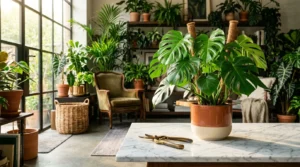
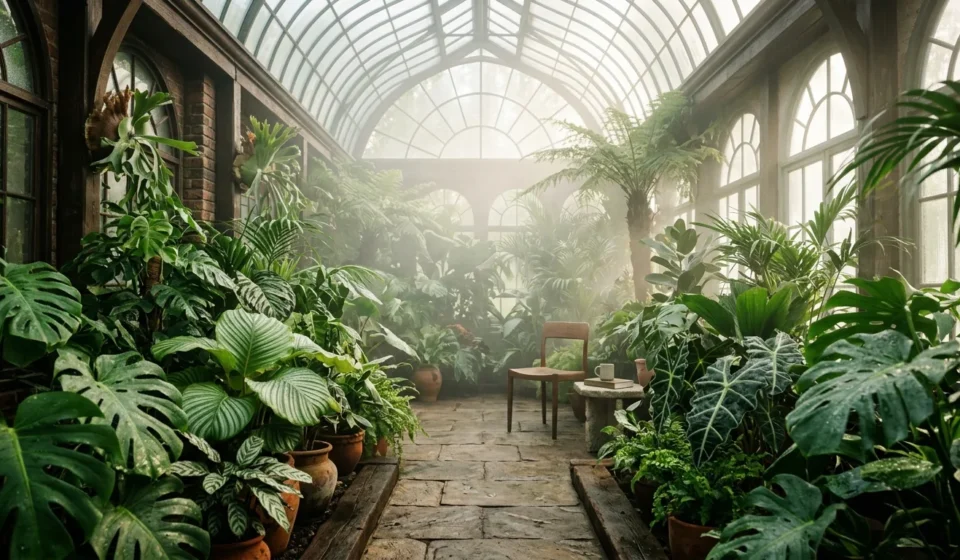
- Group plants together: When you group plants together, they create a microclimate that is more humid than the surrounding air. This is because plants release water vapor into the air through their leaves, which increases the humidity levels.
- Use a tray filled with water and pebbles: This is a simple and inexpensive way to increase the humidity around your plants. You can place the tray near your plants, and as the water evaporates, it will increase the humidity levels.
These are just a few examples of how you can create the perfect humid environment for your houseplants. But, let me add something here – it’s not just about increasing the humidity levels. You also need to consider the temperature and light levels in your home, as these can affect the humidity levels and the overall health of your plants.
Tips for Maintaining the Perfect Humidity Levels
So, how can you maintain the perfect humidity levels for your houseplants? Here are a few tips:
First, make sure you monitor the humidity levels in your home regularly. You can use a hygrometer to measure the humidity levels, and adjust your humidifier or other humidity-boosting methods accordingly.
Second, be mindful of the temperature in your home. Most houseplants prefer daytime temperatures between 65-75°F (18-24°C) and nighttime temperatures 5-10°F (3-6°C) lower. But, some plants, such as orchids and bromeliads, prefer warmer temperatures, so make sure you research the specific temperature requirements for your plants.
Third, consider the light levels in your home. Most houseplants prefer bright, indirect light, but some plants, such as Chinese Evergreen and Pothos, can tolerate low light conditions. So, make sure you place your plants in a spot that receives the right amount of light for their needs.
Common Mistakes to Avoid
When it comes to creating the perfect humid environment for your houseplants, there are a few common mistakes to avoid. Here are a few examples:
First, don’t over-humidify your plants. While most houseplants prefer a relatively high humidity, too much humidity can lead to root rot and other problems. So, make sure you monitor the humidity levels in your home regularly, and adjust your humidifier or other humidity-boosting methods accordingly.
Second, don’t place your plants too close to heating or cooling vents. This can dry out the air and reduce the humidity levels, which can be detrimental to your plants. Instead, place your plants in a spot that is away from direct heat or cooling vents, and use a humidifier to maintain the perfect humidity levels.
Conclusion and Next Steps
So, there you have it – a comprehensive guide to creating the perfect humid environment for your houseplants. By following these tips and avoiding common mistakes, you can create a thriving and healthy environment for your plants. But, what to do this week? Start by monitoring the humidity levels in your home, and adjusting your humidifier or other humidity-boosting methods accordingly. Then, research the specific humidity requirements for your plants, and make any necessary adjustments to their environment.
Remember, creating the perfect humid environment for your houseplants is all about finding the right balance. With a little practice and patience, you can create a thriving and healthy environment for your plants, and enjoy the many benefits of indoor gardening. So, go ahead, get started, and happy planting!
Frequently Asked Questions
What is the ideal humidity level for houseplants?
The ideal humidity level for houseplants is typically between 40-60% relative humidity. This range allows plants to thrive and maintain their internal water balance. Most houseplants prefer a relatively high humidity, which can be achieved through various methods such as using a humidifier or grouping plants together.
Why is humidity important for houseplants?
Humidity is important for houseplants because it helps them regulate their water balance through a process called transpiration. When the air is too dry, plants can't release enough water vapor, leading to problems such as dry leaves, slowed growth, and increased susceptibility to pests and diseases.
How can I create a humid environment for my houseplants?
There are several ways to create a humid environment for your houseplants, including using a humidifier, grouping plants together, and placing a tray filled with water and pebbles near your plants. These methods can help increase the humidity levels around your plants and create a more favorable environment for them to thrive.
What factors affect the humidity levels in my home?
The humidity levels in your home can be affected by factors such as temperature and light levels. For example, most houseplants prefer daytime temperatures between 65-75°F (18-24°C) and nighttime temperatures 5-10°F (3-6°C) lower. Additionally, bright, indirect light can also impact the humidity levels and the overall health of your plants.
How can I maintain the perfect humidity levels for my houseplants?
To maintain the perfect humidity levels for your houseplants, it's essential to monitor the humidity levels in your home regularly using a hygrometer and adjust your humidifier or other humidity-boosting methods accordingly. You should also be mindful of the temperature and light levels in your home and research the specific requirements for your plants to ensure you're providing the best environment for them to thrive.