Shape Up Your Houseplants: The Beginner’s Guide to Pruning for Bushier Growth

Ever looked at your favorite houseplant and thought, “You’re getting a bit… gangly”? Or wished it was just a little fuller, a little lusher? You’re not alone! Many plant parents shy away from pruning, fearing they’ll harm their precious greenery. But what if I told you that a little snip here and there is one of the best things you can do for your plant’s health and appearance?
Table Of Content
- Why Prune Your Houseplants? Beyond Just Aesthetics
- When to Grab Your Pruners: Timing is Everything
- Essential Tools for a Clean Cut
- How to Prune for Bushier Growth: The Step-by-Step Guide
- Step 1: Identify Your Target
- Step 2: Locate a Node
- Step 3: Make a Clean Cut
- After the Snip: Post-Pruning Care & Common Mistakes
- Common Pruning Mistakes to Avoid
- Quick “What to Do This Week” Takeaway
- Frequently Asked Questions
- Why is pruning important for houseplants?
- When is the best time to prune houseplants?
- What tools do I need to prune my houseplants?
- How does pruning affect the appearance of houseplants?
- Can I prune my houseplants during the dormant winter months?
Pruning isn’t just for outdoor shrubs; it’s a secret weapon for indoor plant enthusiasts, too. It’s the key to encouraging that dense, bushy growth we all love, preventing your plants from becoming sparse or leggy, and even boosting their overall vitality. Don’t worry, this isn’t rocket science, and you definitely don’t need a green thumb to master it. Think of me as your personal plant coach, guiding you through each easy step on your journey to a house full of vibrant, shapely plants.
Why Prune Your Houseplants? Beyond Just Aesthetics
Pruning might seem like you’re taking something away from your plant, but in reality, you’re giving it a fresh start! The most immediate benefit you’ll notice is bushier growth. When you cut off a stem tip, you remove the apical bud (the main growing point), which produces hormones that suppress side shoots. By removing it, you tell the plant, “Hey, time to activate those dormant buds lower down!” This encourages branching, leading to a much fuller, denser plant.
Beyond just looking good, pruning plays a vital role in your plant’s health. Removing old, yellowing, or diseased leaves helps your plant conserve energy and prevents potential pest and disease issues. Dead leaves don’t photosynthesize, so they’re just drawing resources without contributing. Plus, better air circulation through a less dense canopy can reduce the risk of fungal problems. It’s a win-win for both beauty and well-being.
For example, imagine this situation: your beloved Pothos vine is stretching out, getting super long with leaves spaced far apart – what we call “leggy” growth. It’s reaching for light, but it’s losing its charm. A strategic prune can transform that stringy vine into a compact, multi-stemmed plant, making it look lush again. And those cuttings? You can often use them for propagation, giving you even more plants for free!
When to Grab Your Pruners: Timing is Everything
The best time to prune most houseplants is during their active growing season, which typically runs from spring through late summer. This is when your plant has the most energy to recover quickly and push out new growth. Pruning during this period ensures a rapid bounce-back and maximizes the bushy effect.
However, if you spot any yellow, brown, or crispy leaves, or signs of disease, don’t wait! You can (and should) remove these unhealthy bits anytime, regardless of the season. Removing damaged parts immediately helps prevent issues from spreading and keeps your plant looking tidy. Avoid heavy pruning during the dormant winter months, as your plant’s growth slows down, and it will take much longer to heal and recover.
Essential Tools for a Clean Cut
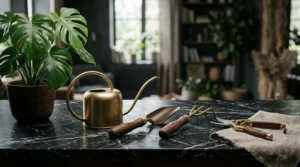
You don’t need fancy, expensive equipment to prune your houseplants effectively. Often, the simpler, the better! Here’s what you’ll want to have on hand:
- Sharp Pruning Shears or Scissors: This is your most important tool. A sharp, clean cut is crucial for your plant’s health. Dull tools can crush stems, causing damage and making your plant more susceptible to disease. For smaller, delicate stems, a sharp pair of household scissors can work perfectly. For thicker, woody stems on plants like a Ficus Lyrata, you’ll want dedicated bypass pruners.
- Rubbing Alcohol or Hand Sanitizer: Always, always disinfect your tools before and after pruning each plant! This prevents the spread of pests and diseases between your green friends. A quick wipe-down is all it takes.
- Gloves (Optional): If you have sensitive skin or are working with plants that have irritating sap (like Ficus), gloves can be a good idea.
Honestly, the biggest mistake beginners make isn’t cutting too much, but using dirty or dull tools. A clean cut heals faster, much like a clean wound on ourselves. So, before you even think about snipping, get those tools ready!
How to Prune for Bushier Growth: The Step-by-Step Guide
Alright, this is where the magic happens! Pruning for bushier growth is all about understanding where to make your cut. The key concept here is the node. A node is that slightly swollen part on a stem where leaves or branches emerge. Just above each node, there’s a dormant bud (an axillary bud) waiting for its moment to shine. When you prune above a node, you essentially tell that dormant bud, “Hey, it’s your turn to grow!”
Step 1: Identify Your Target
Look at your plant. Are there any yellowing leaves, dead stems, or leggy sections? These are your primary targets. If your goal is simply bushier growth, identify stems that are getting too long or sparse. Visualize the shape you want your plant to take.
Step 2: Locate a Node
For most vining plants like Pothos, Philodendron, or even a Monstera deliciosa, you’ll want to cut a stem that has at least 2-3 nodes remaining on the part attached to the main plant. Find a node just below where you want the new growth to emerge. This is usually where a leaf is attached or has fallen off.
Step 3: Make a Clean Cut
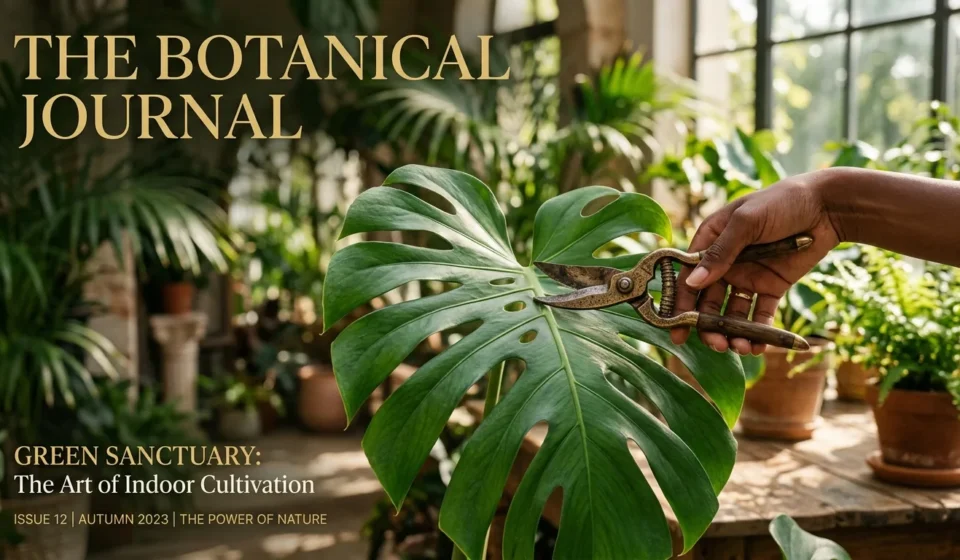
Using your disinfected, sharp shears, make a clean cut about ¼ inch above a node. Cut at a slight angle, slanting away from the node. This helps water run off, reducing the risk of rot. Make sure your cut is swift and precise – no tearing or crushing!
- For Leggy Plants (e.g., Pothos, Philodendron): Cut back long, bare stems to encourage new growth from lower nodes. The more you cut back, the more active those lower buds become, resulting in a much fuller base.</li&
- For Bushy Plants (e.g., Peperomia, ZZ Plant, many Ficus varieties): If you want a denser canopy, you can “pinch back” the very tips of new growth. This is a lighter form of pruning that encourages lateral branching without removing a lot of plant material.
- For Shaping (e.g., Ficus elastica, Croton): Decide on the overall shape you want. If you want a tree-like form, prune lower branches. If you want a bushier base, prune the top. Always cut above a node, following the plant’s natural growth habit.
Don’t be afraid to remove a good chunk of a leggy stem. Your plant will thank you for it with vigorous new growth! I believe that being a little brave with the shears often pays off handsomely.
After the Snip: Post-Pruning Care & Common Mistakes
Once you’ve made your cuts, your plant will need a little TLC to help it recover and thrive. Ensure your plant is getting adequate bright, indirect light and consistent watering. New growth requires energy, and light is crucial for photosynthesis. Avoid immediately fertilizing right after a major prune; give your plant a week or two to settle before introducing nutrients, as fresh cuts can be sensitive.
Common Pruning Mistakes to Avoid:
- Using Dull or Dirty Tools: As mentioned, this is a big no-no. It can lead to ragged cuts, infection, and slow healing.
- Pruning Too Much at Once: While plants are resilient, removing more than 25-30% of a plant’s foliage at one time can stress it out. If your plant needs a significant trim, do it in stages over a few weeks or months.
- Ignoring the Nodes: Cutting randomly in between nodes won’t stimulate new growth effectively and can leave unsightly dead stubs.
- Pruning During Dormancy: While emergency pruning of dead/diseased parts is okay, major shaping or growth stimulation should be reserved for the active growing season.
To be fair, we’ve all made these mistakes at some point. Learning from them is part of becoming a seasoned plant parent! Just keep an eye on your plant after pruning; if it looks stressed (drooping, yellowing more than usual), ease up on watering and ensure it’s in an optimal light spot.
Quick “What to Do This Week” Takeaway:
This week, grab your sharp, disinfected scissors and take a good look at your vining houseplants like Pothos or Philodendron. Identify any long, leggy stems. Find a node on one of those stems, and make a clean cut about ¼ inch above it. Don’t throw away those cuttings – pop them in a glass of water to start propagating new plants!
Pruning truly is one of the most rewarding parts of houseplant care. It allows you to actively shape your plants, encouraging them to grow exactly how you want them to – full, vibrant, and bursting with life. It turns a leggy, struggling plant into a lush statement piece, making your indoor jungle look healthier and more impressive than ever before. So go on, embrace the snip! Your plants (and your space) will thank you for it, proving that Easy Houseplant Care | Simple Indoor Plant Tips really does make a difference.
Frequently Asked Questions
Why is pruning important for houseplants?
Pruning is crucial for houseplants as it promotes bushier growth, prevents sparse or leggy growth, and boosts overall vitality. By removing the apical bud, you encourage branching, leading to a fuller and denser plant. Pruning also helps remove old, yellowing, or diseased leaves, conserving energy and preventing pest and disease issues.
When is the best time to prune houseplants?
The best time to prune most houseplants is during their active growing season, which typically runs from spring through late summer. This allows the plant to recover quickly and push out new growth. However, if you spot any unhealthy bits, you can remove them anytime, regardless of the season.
What tools do I need to prune my houseplants?
You'll need sharp pruning shears or scissors, rubbing alcohol or hand sanitizer to disinfect your tools, and optionally, gloves to protect your skin from irritating sap. A sharp, clean cut is crucial for your plant's health, and disinfecting your tools prevents the spread of pests and diseases between plants.
How does pruning affect the appearance of houseplants?
Pruning can transform a leggy or sparse plant into a compact, multi-stemmed plant with lush growth. By removing the stem tip, you encourage branching, leading to a fuller and denser plant. This can make your houseplants look more vibrant and shapely, and even allow you to propagate new plants from cuttings.
Can I prune my houseplants during the dormant winter months?
It's generally not recommended to prune heavily during the dormant winter months, as your plant's growth slows down, and it will take longer to heal and recover. However, if you spot any yellow, brown, or crispy leaves, or signs of disease, you can remove these unhealthy bits anytime, regardless of the season, to prevent issues from spreading and keep your plant looking tidy.