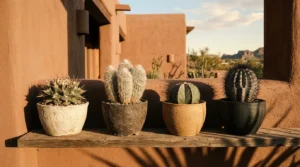

Cactus Care 101: Keeping Your Spiky Friends Happy and Healthy Indoors

Think cacti are just for scorching deserts? Think again! These fascinating, low-maintenance plants are perfect for adding a touch of unique greenery and architectural interest to any indoor space. From the classic Saguaro lookalike to the cute Mammillaria, there’s a cactus for every style. But while they’re often touted as “easy,” there’s a specific art to keeping them happy indoors. If you’ve ever wondered how to avoid the dreaded mushy base or shriveled spikes, you’re in the right place. Let’s dive into the simple secrets of thriving indoor cactus care!
Table Of Content
- Light: The Sun-Kissed Secret to Happy Cacti
- Common Light Mistakes to Avoid
- Watering Wisdom: Less is Definitely More
- The Perils of Overwatering
- Soil & Potting: The Foundation for Thriving Spikes
- Repotting Your Cactus
- Feeding, Pests & Troubleshooting: Keeping Your Cactus Pristine
- Quick Troubleshooting Guide
- What to Do This Week
- Frequently Asked Questions
- What kind of light do cacti need to thrive indoors?
- How often should I water my indoor cactus?
- What are the dangers of overwatering my cactus?
- What type of soil is best for my indoor cactus?
- How can I prevent my cactus from stretching or becoming etiolated?
Light: The Sun-Kissed Secret to Happy Cacti
Cacti, by nature, are sun-worshippers. They hail from arid, sunny climates, so replicating that indoors is paramount for their health and growth. For most desert cacti, a bright, direct light location is ideal. This usually means a south-facing window where they can soak up several hours of unfiltered sunlight per day. If a south-facing window isn’t available, a west-facing window can also work, providing intense afternoon sun.
However, not all “cacti” are true desert dwellers. For example, Christmas cacti (which are actually jungle cacti) prefer bright, indirect light – a spot near an east-facing window or a few feet away from a south-facing one. But for your standard prickly pear or barrel cactus, aim for as much sun as you can give them. If your home lacks natural intense light, consider supplementing with a grow light positioned a few inches above your plant for 10-14 hours a day. Honestly, a little extra light goes a long way in preventing stretching (etiolation) and promoting strong, healthy growth.
Common Light Mistakes to Avoid
- Too Little Light: This is perhaps the most common mistake. Your cactus will stretch out, become pale, and look weak as it desperately searches for light. This etiolated growth is often irreversible and makes the plant more susceptible to problems.
- Sudden Light Changes: While cacti love light, moving a plant from a low-light spot directly into intense sun can cause sunburn. Introduce them gradually to brighter conditions over a week or two, especially after bringing them home from a nursery.
Watering Wisdom: Less is Definitely More
This is where most beginners go wrong, and it’s the quickest way to send your cactus to an early grave. Cacti are built to withstand drought, not constant moisture. The golden rule for watering indoor cacti is “soak and dry.” This means you water thoroughly until water drains from the bottom of the pot, and then you let the soil dry out completely before watering again. But how often is ‘dry’ exactly?
Based on my experience, for most cacti in terracotta pots, this usually means watering every 3-4 weeks during their active growing season (spring and summer). In fall and winter, when they enter dormancy, you might only need to water every 6-8 weeks, or even less! A moisture meter can be a fantastic tool here, ensuring the soil is completely dry deep down before you even think about the watering can. Alternatively, stick your finger 2-3 inches into the soil; if it feels dry, you’re good to water.
The Perils of Overwatering
For example, imagine this situation: You’re a caring plant parent, and you see your beautiful Opuntia (prickly pear) just sitting there. You watered it last week, but maybe it needs a little more? A few days later, the base of your cactus starts to feel soft and mushy, turning a dark brown or black. That, my friend, is root rot, and it’s almost always caused by overwatering. Once root rot sets in, it’s very hard to save the plant. Always err on the side of underwatering rather than overwatering. If you’re unsure, just wait another week!
Soil & Potting: The Foundation for Thriving Spikes
Now that we’ve covered light and water, let’s get to the really critical point: what your cactus sits in. Standard potting mix simply won’t do. Cacti need extremely well-draining soil that allows water to pass through quickly and prevents their roots from sitting in moisture. A good cactus mix will resemble a sandy, gritty texture.
You can buy pre-made cactus and succulent mixes, which are a great start. But for an even better, custom blend, I recommend mixing your own: 50% potting mix, 30% perlite or pumice, and 20% coarse sand or fine gravel. Perlite and pumice are porous volcanic rocks that improve drainage and aeration, while coarse sand adds weight and structure. This concoction ensures excellent drainage and airflow to the roots. When it comes to pots, terracotta pots are superior because their porous nature allows water to evaporate through the sides, further preventing root rot. Always, always ensure your pot has a drainage hole!
Repotting Your Cactus
Cacti are generally slow growers, so they don’t need frequent repotting. Once every 2-3 years, or when the plant has significantly outgrown its pot, is usually sufficient. When you do repot, choose a pot only slightly larger (1-2 inches in diameter) than the current one. To handle spiky plants safely, use thick gloves, folded newspaper, or even kitchen tongs. Gently remove the plant, clean off old soil, check for root rot, and repot into your fresh, well-draining mix. Give it a week or two before the first watering to allow any disturbed roots to heal.
Feeding, Pests & Troubleshooting: Keeping Your Cactus Pristine
While cacti aren’t heavy feeders, a little boost during their active growth phase can encourage robust health and even flowering. Use a low-nitrogen fertilizer (like a 5-10-10 or similar bloom-boosting formula) diluted to half or even quarter strength. Apply this once every 4-6 weeks during spring and summer, and completely cease fertilizing in the fall and winter when the plant is dormant. Too much nitrogen can lead to soft, weak growth that’s more susceptible to pests.
Even the toughest cacti can fall victim to pests. The most common culprits are mealybugs (small, white, cottony insects found in crevices) and spider mites (tiny red mites that create fine webbing). If you spot them, isolate the plant immediately. For mealybugs, dab them directly with a cotton swab dipped in rubbing alcohol. For spider mites, a thorough spray with neem oil diluted according to package instructions (usually every 5-7 days for a few weeks) can be very effective. Regular inspection is your best defense!
Quick Troubleshooting Guide
- Wrinkled/Shriveling Cactus: This usually means it’s severely underwatered. Give it a good, thorough soak.
- Soft, Mushy Base: Classic sign of overwatering and root rot. Act fast! Try to cut away rotten parts if possible and re-root the healthy section.</li&l
- Pale, Stretched Growth: Not enough light (etiolation). Move to a brighter spot.
- Yellowing/Browning Spots: Could be sunburn (if sudden direct light) or a sign of disease. Assess light conditions and check for pests.
What to Do This Week:
Take a moment to assess your cactus. Is it getting enough light? Check the soil – is it bone dry? If it’s spring or summer, give it a good watering until water runs out the bottom, then place it back in its brightest spot. If it’s winter, resist the urge to water and just admire its stoic beauty. A quick check for pests wouldn’t hurt either. These simple actions will keep your spiky companions happy and thriving.
Cacti truly are some of the most rewarding and resilient indoor plants you can grow, provided you understand their unique needs. With the right approach to light, a disciplined watering schedule, and the perfect gritty soil, your spiky friends will flourish, bringing their desert charm to your easyhouseplantcare.com journey for years to come. So go ahead, embrace the spikes, and enjoy the satisfaction of a thriving indoor cactus collection!
Frequently Asked Questions
What kind of light do cacti need to thrive indoors?
Cacti are sun-worshippers and need bright, direct light to stay healthy. A south-facing window is ideal, but if that's not available, a west-facing window can also work. Some cacti, like Christmas cacti, prefer bright, indirect light. If natural light is lacking, consider supplementing with a grow light.
How often should I water my indoor cactus?
The golden rule for watering indoor cacti is 'soak and dry.' Water thoroughly until water drains from the bottom of the pot, and then let the soil dry out completely before watering again. This usually means watering every 3-4 weeks during the active growing season and less often during dormancy.
What are the dangers of overwatering my cactus?
Overwatering can lead to root rot, which is almost impossible to recover from. If the base of your cactus starts to feel soft and mushy, turning a dark brown or black, it's likely root rot. Always err on the side of underwatering rather than overwatering to avoid this common mistake.
What type of soil is best for my indoor cactus?
Cacti need extremely well-draining soil that allows water to pass through quickly and prevents their roots from sitting in moisture. Standard potting mix won't do; instead, look for a specialized cactus soil that will provide the right conditions for your plant to thrive.
How can I prevent my cactus from stretching or becoming etiolated?
To prevent stretching, provide your cactus with as much direct sunlight as possible. If natural light is lacking, consider supplementing with a grow light. Avoid sudden changes in light, and introduce your cactus to brighter conditions gradually. With the right amount of light, your cactus will grow strong and healthy, without becoming leggy or weak.