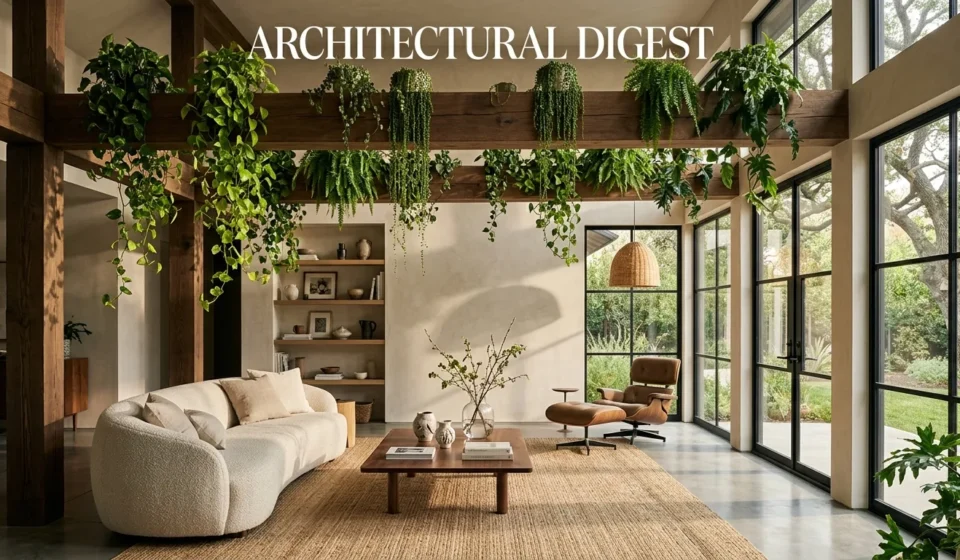
Drape Your Space in Green: The Easiest Hanging Plants for Every Room

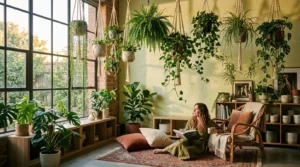
Ever feel like your plant collection is stuck on the floor or hogging precious shelf space? Imagine transforming those empty vertical spaces into lush, living masterpieces! Hanging plants are an absolute game-changer for any indoor gardener, offering a unique blend of aesthetic beauty, space-saving practicality, and often, incredible ease of care. They can soften harsh corners, add a touch of bohemian flair, or even create a cascading green curtain that breathes life into any room.
Table Of Content
- Why Hanging Plants Are Your New Best Friends
- Your Go-To List: Super Easy Hanging Plants That Thrive
- Pothos (Epipremnum aureum): The Undisputed Champion
- Heartleaf Philodendron (Philodendron hederaceum): Classic Charm
- Spider Plant (Chlorophytum comosum): The Air-Purifying Dynamo
- Hoya (Hoya carnosa): The Wax Plant with Secret Blooms
- Tradescantia (Wandering Jew/Dude): Vibrant & Fast-Growing
- Nailing the Basics: Care Secrets for Lush Trailing Greenery
- Lighting Up Your Life (and Your Plants’)
- The Art of Watering (No More Guesswork!)
- The Right Pot & Soil Mix
- Feeding Your Green Friends
- Hanging Smart: Setup, Common Mistakes, & Troubleshooting
- Quick “What to Do This Week” Takeaway
- Frequently Asked Questions
- What are the benefits of using hanging plants in a room?
- What is the easiest hanging plant to care for?
- How do I propagate a Pothos plant?
- What are some popular varieties of Pothos plants?
- What type of soil mix is best for hanging plants like Pothos?
As someone who’s battled with countless plant dilemmas over the years, I can honestly say that incorporating hanging plants was one of the best decisions I ever made for my urban jungle. They add so much dimension and visual interest without demanding complicated routines. Ready to elevate your greenery game? Let’s dive into the easiest, most rewarding hanging plants that will make your space sing.
Why Hanging Plants Are Your New Best Friends
Beyond their undeniable beauty, hanging plants offer a host of benefits that make them ideal for apartment dwellers, office workers, and anyone looking to maximize their green space. Firstly, they are incredible space savers. If your floor is full and your shelves are packed, looking up is the next logical step. They free up valuable surface area, making even the smallest rooms feel larger and more open.
Secondly, they create a completely different visual dynamic. Instead of just eye-level greenery, you get these beautiful cascades that draw the eye upwards, adding depth and a sense of natural flow to your decor. Think about it: a trailing plant gently swaying in a sunlit corner can completely transform the mood of a room. Plus, many of these trailing beauties are known for their air-purifying qualities, silently working to make your indoor environment healthier. What’s not to love?
Your Go-To List: Super Easy Hanging Plants That Thrive
When it comes to hanging plants, “easy” is the key word on easyhouseplantcare.com. You want plants that are forgiving, resilient, and won’t throw a tantrum if you forget to water them for a day or two. Here are my top picks, tried and true, for effortless indoor elegance.
Pothos (Epipremnum aureum): The Undisputed Champion
If there’s one plant I recommend to absolutely everyone, it’s the Pothos. Seriously, this plant is practically indestructible. It’s often called the “devil’s ivy” because it’s so hard to kill! Pothos comes in various stunning varieties like ‘Golden’ with its yellow variegation, ‘Marble Queen’ with creamy white splashes, and ‘Neon’ with electric lime-green leaves. They all make fantastic trailing plants, quickly creating long, flowing vines that look incredible spilling from a hanger.
For care, Pothos prefers bright indirect light – meaning a well-lit spot without direct sun rays hitting its leaves, which can scorch them. It can tolerate medium and even low light conditions, though its growth might slow, and variegation may become less pronounced. Water when the top 2-3 inches of soil feel dry to the touch; I often stick my finger in to check. A good quality, well-draining soil mix, which allows excess water to escape and prevents roots from suffocating (a condition known as root rot), is essential. You can easily make your own by mixing 50% standard potting mix with 30% perlite and 20% orchid bark. Propagation is a breeze: simply snip a vine with a few leaves and a node, and place it in water or directly into moist soil. In my opinion, Pothos is the ultimate starter plant for any hanging display.
Heartleaf Philodendron (Philodendron hederaceum): Classic Charm
The Heartleaf Philodendron is another absolute classic, beloved for its heart-shaped, glossy green leaves and graceful trailing habit. It shares many forgiving traits with the Pothos, making it another fantastic choice for beginners. Its vines can grow incredibly long, perfect for creating that dramatic cascade effect.
Similar to Pothos, the Heartleaf Philodendron thrives in medium to bright indirect light. Too much direct sun can scorch its leaves, while too little light will lead to sparse growth. Water thoroughly when the top few inches of soil are dry. It appreciates a slightly more consistent watering schedule than Pothos but is still very tolerant of occasional neglect. Use a similar well-draining soil mix. Propagating this beauty is just as simple as Pothos; snip a section with a node and pop it into water. Honestly, you can’t go wrong with a Heartleaf Philodendron.
Spider Plant (Chlorophytum comosum): The Air-Purifying Dynamo
Spider Plants are not only super easy to care for, but they’re also fantastic air purifiers and produce adorable “spiderettes” or plantlets that dangle from the mother plant, making them perfect for hanging baskets. These little babies are also incredibly easy to propagate, giving you endless free plants!
Spider Plants prefer bright indirect light for the best growth and to encourage those charming spiderettes. They appreciate consistently moist soil but can tolerate drying out between waterings. Yellow tips on leaves often indicate overwatering or fluoride in tap water. A standard well-draining potting mix works perfectly for them. The real fun is propagating: simply snip off a spiderette, and either root it in water or plant it directly into moist soil. They take root incredibly fast, making them super rewarding.
Hoya (Hoya carnosa): The Wax Plant with Secret Blooms
While some Hoyas can be a bit more particular, the common Hoya carnosa (also known as the Wax Plant) is surprisingly easy and incredibly rewarding for a hanging display. Its thick, waxy leaves are beautiful on their own, but the real treat comes when it blooms, producing clusters of star-shaped, often fragrant, flowers. They might take a while to flower, but once they start, they’ll usually rebloom in the same spots!
Hoyas love bright indirect light, and this is crucial for encouraging those coveted blooms. They are succulent-like in their watering needs, meaning you should let their soil dry out thoroughly between waterings – almost completely, in my experience. Overwatering is the quickest way to kill a Hoya! They need a very chunky, well-draining soil mix; something like 40% potting mix, 30% perlite, and 30% orchid bark would be ideal. They are slower growers but incredibly long-lived and beautiful plants, perfect for a sunny window.
Tradescantia (Wandering Jew/Dude): Vibrant & Fast-Growing
For a burst of color and incredibly rapid growth, you can’t beat a Tradescantia. With varieties like Tradescantia zebrina showcasing stunning purple, green, and silver striped leaves, these plants are visual showstoppers. They grow incredibly fast, quickly filling a hanging basket with vibrant, cascading foliage.
Tradescantias thrive in bright indirect light. In fact, good light is essential to maintain their vibrant leaf coloration; too little light and they might lose some of their striking hues. Keep the soil consistently moist but never soggy. They don’t like to dry out completely, but don’t let them sit in standing water either. A regular potting mix with some added perlite for drainage works well. These plants grow so quickly that they often benefit from regular pruning to encourage bushier growth and prevent them from getting leggy. Any pruned stem can be easily rooted in water or soil for new plants – they’re incredibly generous!
Nailing the Basics: Care Secrets for Lush Trailing Greenery
Even the easiest plants need a little love. Mastering these fundamental care practices will ensure your hanging beauties thrive year-round without complicated routines.
Lighting Up Your Life (and Your Plants’)
Understanding light is paramount. Bright indirect light means a spot that gets plenty of ambient light but no direct sunbeams scorching the leaves. Think a few feet away from a south- or west-facing window, or right in an east-facing window. Medium light is a bit further from a window, and low light is typically enough to read by but generally not ideal for vigorous growth. For most of these hanging plants, bright indirect is the sweet spot. Rotate your plants every few weeks to ensure all sides get even light exposure and prevent them from growing lopsided.
The Art of Watering (No More Guesswork!)
This is where most beginners struggle. The golden rule for most easy hanging plants is to water when the top 2-3 inches of soil are dry. You can check this by sticking your finger into the soil. Better yet, invest in a simple moisture meter; they’re incredibly affordable and take out all the guesswork. When you do water, water thoroughly until you see water draining from the bottom of the pot. Ensure your pots have drainage holes – this is non-negotiable for preventing root rot. If you’re using decorative pots without holes, place your plant in a nursery pot inside the decorative one, or consider bottom watering: placing the pot in a tray of water for 20-30 minutes to allow the plant to soak up what it needs.
The Right Pot & Soil Mix
Choosing the correct pot size and soil mix is crucial. For hanging plants, opt for pots that are appropriately sized – don’t put a tiny plant in a massive pot, as it can lead to overwatering. Most of these plants prefer to be slightly root-bound. As for soil, a well-draining soil mix is key. This typically means a good quality indoor potting mix amended with materials like perlite, orchid bark, or coco coir to improve aeration and drainage. For example, a mix of 50% potting mix, 30% perlite, and 20% orchid bark is a great all-rounder for Pothos, Philodendron, and Spider Plants. This ensures roots get oxygen and aren’t sitting in soggy soil.
Feeding Your Green Friends
While these plants are low-maintenance, they still appreciate a little boost during their active growing season (typically spring and summer). Use a balanced liquid fertilizer, like a 10-10-10 or 20-20-20, diluted to half strength. Apply it every 4-6 weeks during spring and summer, then reduce or stop entirely during fall and winter when the plant’s growth naturally slows. Remember, it’s always better to under-fertilize than to over-fertilize, which can burn the roots.
Hanging Smart: Setup, Common Mistakes, & Troubleshooting
Setting up your hanging plants is part of the fun! Consider macrame hangers, stylish ceramic pots with built-in hangers, or simple hooks in the ceiling. Just make sure whatever you use is sturdy enough to hold the weight of the plant, especially after watering. For example, imagine this situation: you’ve got a beautiful Pothos cascading from a hook near a window. You want to make sure that hook is securely anchored into a stud or using a proper toggle bolt, not just flimsy drywall. A little planning goes a long way!
Common mistakes I’ve seen plant parents make with hanging plants often revolve around convenience. They might forget to check the soil because the pot is high up, leading to severe dehydration or, conversely, overwatering because they can’t easily see the drainage. Another common error is neglecting pruning; trimming back leggy vines encourages bushier growth and keeps your plant looking full and vibrant. Don’t be afraid to give your plant a haircut!
Troubleshooting: If you notice yellowing leaves, it’s often a sign of overwatering or nutrient deficiency. Brown, crispy leaves typically indicate underwatering or too much direct sun. Stunted growth or small leaves can point to insufficient light or lack of nutrients. Always check the soil moisture first. Pests like spider mites or mealybugs can sometimes appear; a quick spray with neem oil or insecticidal soap usually takes care of them. The key is early detection – check your plants regularly!
Quick “What to Do This Week” Takeaway
- Check Soil Moisture: Stick your finger in the top 2-3 inches of soil. If it’s dry, it might be time to water.
- Rotate Your Plants: Give them a quarter turn to ensure even light exposure and growth.
- Quick Health Check: Look for new growth, yellowing leaves, or any suspicious spots that might indicate pests.
- Mist (Optional): If your home is dry, a quick misting can provide a humidity boost for some plants.
So, there you have it: a comprehensive guide to bringing the beauty of easy, low-maintenance hanging plants into your home. These versatile plants are more than just decor; they’re living pieces of art that clean your air, boost your mood, and save you space. Whether you’re a complete beginner or an experienced plant parent looking for new ways to expand your urban jungle, these trailing beauties are sure to bring joy and a touch of natural elegance to every corner of your life. Go ahead, pick one, hang it up, and watch your space come alive!
Frequently Asked Questions
What are the benefits of using hanging plants in a room?
Hanging plants offer a host of benefits, including being incredible space savers, creating a different visual dynamic, and adding depth and a sense of natural flow to your decor. They also have air-purifying qualities, making your indoor environment healthier. Additionally, they can soften harsh corners and add a touch of bohemian flair to any room.
What is the easiest hanging plant to care for?
The Pothos (Epipremnum aureum) is considered the easiest hanging plant to care for. It is practically indestructible, forgiving, and resilient, making it perfect for beginners. It prefers bright indirect light, can tolerate medium and low light conditions, and requires watering when the top 2-3 inches of soil feel dry to the touch.
How do I propagate a Pothos plant?
Propagating a Pothos plant is a breeze. Simply snip a vine with a few leaves and a node, and place it in water or directly into moist soil. This makes it easy to share with friends or create new plants for your own space. Pothos is also a great starter plant for any hanging display.
What are some popular varieties of Pothos plants?
There are several popular varieties of Pothos plants, including 'Golden' with its yellow variegation, 'Marble Queen' with creamy white splashes, and 'Neon' with electric lime-green leaves. All of these varieties make fantastic trailing plants, quickly creating long, flowing vines that look incredible spilling from a hanger.
What type of soil mix is best for hanging plants like Pothos?
A good quality, well-draining soil mix is essential for hanging plants like Pothos. You can easily make your own by mixing 50% standard potting mix with 30% perlite and 20% orchid bark. This allows excess water to escape and prevents roots from suffocating, which is a condition known as root rot.