Unlock Thriving Growth: Master Houseplant Light for Every Room

Ever wonder why some of your houseplants are bursting with vibrant growth, stretching towards the sun with enthusiasm, while others in a different room seem to just… exist? The secret, my friend, almost always comes down to light. Getting your plant’s light requirements right isn’t just about survival; it’s about unlocking its full potential for lush, thriving growth.
Table Of Content
- Why Light is Your Plant’s Lifeblood (It’s More Than Just Sunshine!)
- Deciphering the Light Spectrum: From Sun-Kissed to Shady Nooks
- Bright Indirect Light: The Gold Standard
- Medium Light: The Happy Medium
- Low Light: Embracing the Shadows
- Reading Your Plant: Signs of Too Much or Too Little Light
- Signs of Too Little Light
- Signs of Too Much Light
- Elevate Your Light Game: Tools and Tricks for Optimal Illumination
- Rotate Your Plants Regularly
- Clean Those Leaves!
- Consider a Grow Light for Darker Spots
- Utilize Reflective Surfaces
- Seasonal Adjustments
- Common Lighting Mistakes to Avoid
- Quick “What to Do This Week” Takeaway
- Frequently Asked Questions
- What is the primary factor that determines a houseplant's growth and health?
- What is the difference between bright indirect light and direct sunlight?
- Which type of light is best for plants like Monstera deliciosa and Fiddle Leaf Fig?
- What is the main difference between medium light and low light?
- How can I determine the best light level for my houseplants?
As an urban horticulturist who’s filled countless apartments and offices with greenery, I’ve seen firsthand how light transforms a struggling plant into a showstopper. It can feel daunting at first, trying to figure out if your Fiddle Leaf Fig needs more sun or if your ZZ Plant is happy in that dimly lit corner. But trust me, once you understand the basics, you’ll be able to confidently place any plant in its ideal spot, turning every room into a green oasis.
Why Light is Your Plant’s Lifeblood (It’s More Than Just Sunshine!)
Think of light as food for your plants. It’s not just a nice-to-have; it’s absolutely essential for a process called photosynthesis. This is where plants use light energy to convert carbon dioxide and water into the sugars they need to grow, produce leaves, and even flower. Without adequate light, a plant simply can’t “eat” enough to sustain itself, leading to weak, leggy growth or, eventually, decline.
When we talk about light, we’re really considering two main things: its intensity (how bright it is) and its duration (how many hours the plant receives it). Most houseplants, originating from tropical understories, thrive in what we call bright indirect light. This means plenty of bright light, but without the harsh, direct sun rays that can scorch delicate leaves. Imagine the light under a dense tree canopy – bright, but dappled and filtered. That’s the sweet spot!
Deciphering the Light Spectrum: From Sun-Kissed to Shady Nooks
Let’s break down the different light levels you’ll encounter in your home and which plants will be happiest in each spot. Understanding these categories is the foundation for happy, healthy houseplants.
Bright Indirect Light: The Gold Standard
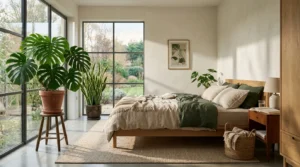
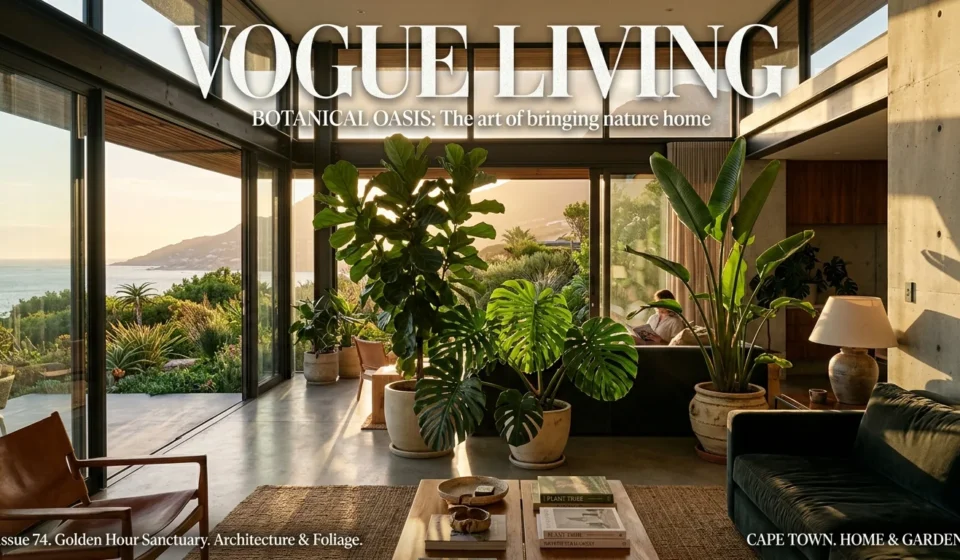
This is the holy grail for most popular houseplants. It means your plant is receiving strong light, but it’s either filtered through a sheer curtain, bounced off a wall, or positioned a few feet back from a very bright window. Think of a spot near an east-facing window where it gets gentle morning sun, or a few feet away from a south or west-facing window where the intense afternoon sun doesn’t hit directly.
- What it looks like: A well-lit room where you could easily read a book without needing a lamp, but no direct sunbeams are shining on the plant for extended periods.
- Plants that love it: Monstera deliciosa, Pothos, Philodendron, Alocasia, Prayer Plants (like Calathea orbifolia), Fiddle Leaf Fig, Bird of Paradise, Spider Plant.
- Practical Tip: If you have a south or west-facing window, consider placing plants 3-5 feet away or using sheer curtains to diffuse the light.
Medium Light: The Happy Medium
Medium light is essentially a step down from bright indirect light. It’s still a good amount of ambient light, but not as intense or prolonged. This could be a spot a bit further into a room from a bright window, or near a north-facing window, which receives consistent but gentler light throughout the day.
- What it looks like: A room that feels bright during the day, but perhaps not intensely so. You might need a lamp to comfortably read in some corners.
- Plants that love it: ZZ Plant, Snake Plant (Sansevieria), Peace Lily, Chinese Evergreen (Aglaonema), Dracaena, most Ferns, Hoya.
- Practical Tip: These plants benefit from being rotated every few weeks to ensure all sides get even exposure, preventing them from growing lopsided towards the light source.
Low Light: Embracing the Shadows
Now, let me clarify something important: “low light” does not mean “no light.” All plants need some light to survive. Low light simply means a spot that gets very little direct light, perhaps far from a window, or in a room with only north-facing windows or smaller windows. Plants that tolerate low light are survivors; they won’t necessarily grow vigorously, but they can maintain their health.
- What it looks like: A corner of a room, a hallway, or a bathroom with a small window. You’d definitely need a lamp to read comfortably.
- Plants that tolerate it: ZZ Plant, Snake Plant, Pothos, Cast Iron Plant (Aspidistra elatior), Lucky Bamboo.
- Practical Tip: While these plants can tolerate low light, they will always appreciate a few hours of brighter, indirect light occasionally. Consider moving them closer to a window for a “light break” every couple of weeks if possible.
Reading Your Plant: Signs of Too Much or Too Little Light
Your plants are excellent communicators. You just need to learn their language! Paying attention to their leaves and growth patterns will tell you if they’re happy with their current light situation.
Signs of Too Little Light:
- Leggy Growth (Etiolation): Stems become elongated and stretched, with leaves far apart, as the plant desperately reaches for a light source. For example, imagine your Pothos vine stretching dramatically towards a window, its leaves spaced far apart – that’s a cry for more light!
- Smaller, Fewer Leaves: New leaves are significantly smaller than older ones, and overall growth slows or stops.
- Dull Color: Leaves lose their vibrancy and deep green color, becoming pale or yellowish. Variegated plants might lose their patterns.
- Lack of Flowers: If it’s a flowering plant, it won’t produce blooms.
Signs of Too Much Light:
- Scorched or Bleached Leaves: Yellow or white patches, brown crispy spots, especially on the parts of leaves facing the window. In my experience, direct afternoon sun through an unfiltered window is often the culprit for scorched leaves on plants like Calatheas.
- Fading Color: Leaves appear washed out or lighter than usual.
- Stunted Growth: The plant stops growing, even if it’s getting enough water and nutrients.
- Crispy Edges: Leaf margins become dry and brittle, often curling inward.
Elevate Your Light Game: Tools and Tricks for Optimal Illumination
So far we’ve covered how to identify light levels and what your plants are telling you. Now let’s get to the really critical point: what can you do to ensure your plants are getting exactly what they need?
Rotate Your Plants Regularly
Just like we mentioned for medium-light plants, rotating all your houseplants every week or two helps ensure even growth. Plants naturally grow towards the light, so rotating prevents them from becoming lopsided and helps them develop a balanced, full shape.
Clean Those Leaves!
Dust accumulation on leaves isn’t just unsightly; it actually blocks light absorption. Think of it as putting sunglasses on your plant! Gently wipe down your plant’s leaves with a damp cloth every few weeks. This simple act significantly improves its ability to photosynthesize.
Consider a Grow Light for Darker Spots
Honestly, not every room has perfect natural light. This is where grow lights become your best friend. A simple full-spectrum LED grow light bulb screwed into a regular lamp can make a world of difference, especially in winter or in north-facing rooms. Look for “full-spectrum” bulbs, as they mimic natural sunlight and provide the light wavelengths plants need for all stages of growth. They’re a fantastic way to supplement natural light or provide primary light in truly dim areas.
Utilize Reflective Surfaces
White walls and mirrors can actually help amplify and bounce available light around a room, making it brighter for your plants. This is a clever, subtle way to improve light conditions without adding extra fixtures.
Seasonal Adjustments
The intensity and duration of natural light change throughout the year. In winter, you might need to move plants closer to windows, or supplement with grow lights, as the sun is lower and days are shorter. In summer, you might need to move sun-sensitive plants slightly further back from intense south or west-facing windows to prevent scorching.
Common Lighting Mistakes to Avoid
We’ve all made these mistakes, so don’t feel bad if you recognize some! Learning from them is how we become better plant parents.
- Assuming “low light” means “no light”: This is probably the biggest misconception. Even the most shade-tolerant plants need *some* ambient light.
- Placing a plant directly in a south or west-facing window without protection: While some desert plants love this, most common houseplants will get scorched. Always diffuse intense direct sun.
- Forgetting to observe your plants: Your plants will tell you what they need! Don’t just set it and forget it.
- Not cleaning dusty leaves: A layer of dust is a barrier to light, hindering photosynthesis and overall plant health.
Mastering houseplant light requirements is truly a game-changer for your indoor garden. It might seem like a lot to take in, but remember, it’s all about observation and making small adjustments. You don’t need to be an expert on day one; just be willing to learn from your plants.
Quick “What to Do This Week” Takeaway:
- Walk through your home: Assess each room’s light levels. Which windows face which direction? How far into the room does the light penetrate?
- Observe your plants: Check for signs of too much or too little light on a couple of your plants. Are leaves stretching? Are they looking dull or scorched?
- Make one adjustment: Choose one plant that looks like it’s struggling with light and move it to a more appropriate spot.
- Clean some leaves: Grab a damp cloth and gently wipe down the leaves of a few of your plants. You’ll be surprised at the difference!
By understanding and responding to your plants’ light needs, you’re not just keeping them alive; you’re helping them flourish, bringing more vibrant life and beauty into your home. You’ve got this!
Frequently Asked Questions
What is the primary factor that determines a houseplant's growth and health?
The primary factor that determines a houseplant's growth and health is light. Light is essential for photosynthesis, the process by which plants convert carbon dioxide and water into the sugars they need to grow and thrive. Without adequate light, a plant cannot sustain itself, leading to weak, leggy growth or decline.
What is the difference between bright indirect light and direct sunlight?
Bright indirect light is a type of light that is strong but filtered, often through a sheer curtain or by being positioned a few feet back from a very bright window. Direct sunlight, on the other hand, is intense and can scorch delicate leaves. Most houseplants thrive in bright indirect light, which provides the perfect balance of light intensity and duration.
Which type of light is best for plants like Monstera deliciosa and Fiddle Leaf Fig?
Plants like Monstera deliciosa and Fiddle Leaf Fig thrive in bright indirect light. This type of light is characterized by strong light that is filtered through a sheer curtain or bounced off a wall, providing the perfect conditions for these plants to grow and flourish.
What is the main difference between medium light and low light?
The main difference between medium light and low light is the intensity and duration of the light. Medium light is a step down from bright indirect light, providing a good amount of ambient light that is not as intense or prolonged. Low light, on the other hand, refers to a spot that gets very little direct light, but still requires some light to survive.
How can I determine the best light level for my houseplants?
To determine the best light level for your houseplants, consider the natural light in your home and the specific needs of each plant. Observe the light levels in different rooms and positions, and choose plants that are suited to those conditions. You can also use sheer curtains or adjust the distance between the plant and the window to achieve the perfect balance of light intensity and duration.