
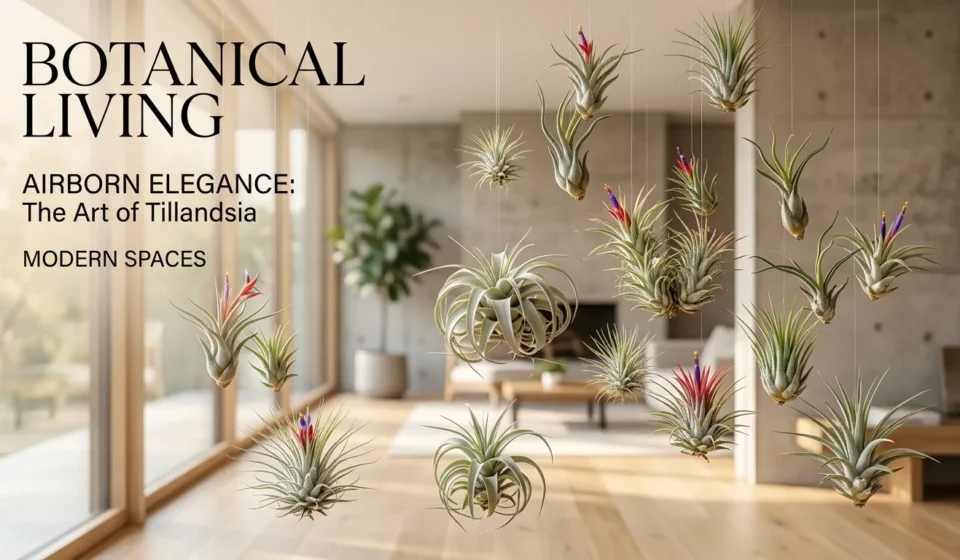
10 Air Plant Care Mistakes You’re Probably Making

Introduction to Air Plant Care
Air plants, also known as tillandsia, have become increasingly popular among houseplant enthusiasts due to their unique appearance and relatively low-maintenance care. However, despite their ease of care, air plants can be finicky and require specific conditions to thrive. As a houseplant expert, I’ve seen many air plant owners make mistakes that can lead to poor health or even death. One common mistake is overwatering, which can cause root rot and kill the plant. For instance, a friend of mine recently brought home a beautiful air plant and was excited to show it off, but ended up overwatering it, thinking it needed a lot of moisture. Luckily, she was able to revive it by reducing the watering frequency and increasing the air circulation around the plant.
Table Of Content
- Introduction to Air Plant Care
- Common Air Plant Care Mistakes
- Overwatering and Underwatering
- Lighting and Temperature Requirements
- Bright Indirect Light
- Additional Mistakes to Avoid
- Fertilization and Pruning
- Conclusion and Call to Action
- Frequently Asked Questions
- What are the basic needs of air plants to thrive?
- Why is overwatering bad for air plants?
- How much light do air plants need?
- What happens if air plants don't receive enough humidity?
- How often should I water my air plants?
Understanding the specific needs of air plants is crucial to providing the right care. Air plants require bright, indirect light to photosynthesize and produce energy, high humidity to absorb moisture and nutrients through their leaves, and infrequent watering to prevent root rot. It’s a delicate balance, but once you get it right, your air plants will thank you. With a little practice and patience, you can become an air plant expert and enjoy the beauty and unique charm of these amazing plants.
So, what makes air plants so unique? Unlike other houseplants, air plants don’t require soil and can thrive in a variety of environments, from tropical to temperate climates. They’re also epiphytes, meaning they can grow on other surfaces, such as rocks or trees, without harming them. This makes them a great option for indoor gardening, as they can be attached to a variety of surfaces, including walls, ceilings, and even furniture.
Common Air Plant Care Mistakes
Overwatering and Underwatering
One of the most common mistakes air plant owners make is overwatering or underwatering their plants. Overwatering can lead to root rot, which can be fatal to the plant. On the other hand, underwatering can cause the leaves to become dry and brittle, and the plant may not be able to absorb the necessary nutrients. So, how often should you water your air plants? The answer depends on the humidity and temperature of your environment. In general, air plants should be watered 1-2 times a week, depending on the conditions.
A good rule of thumb is to water your air plants when the leaves start to curl or become slightly dry to the touch. You can also check the moisture level by gently tugging on a leaf; if it comes off easily, it’s time to water. It’s also important to use the right type of water, as tap water can contain high levels of minerals and chemicals that can harm the plant. Instead, use distilled or filtered water to prevent any potential damage.
Another common mistake is not providing enough humidity for the plants. Air plants thrive in humid environments, typically between 40-70% relative humidity. If the air is too dry, the plant may not be able to absorb the necessary moisture and nutrients. To increase the humidity around your air plants, you can place them on a tray with pebbles and water or use a humidifier.
Lighting and Temperature Requirements
Bright Indirect Light
Air plants require bright, indirect light to photosynthesize and produce energy. However, direct sunlight can be too intense and cause the leaves to become scorched or discolored. So, how much light do air plants need? In general, air plants should receive at least 4-6 hours of bright, indirect light per day. This can be achieved by placing them near an east- or west-facing window or using grow lights.
It’s also important to note that air plants can become leggy or stretched out if they’re not receiving enough light. This can be a sign that the plant is not getting enough energy and may need to be moved to a brighter location. On the other hand, if the plant is receiving too much light, it may become scorched or discolored. In this case, you can move the plant to a shadier location or use a sheer curtain to filter the light.
Temperature is also an important factor in air plant care. Air plants prefer temperatures between 50-90°F (10-32°C), with an average temperature of around 70-80°F (21-27°C). Avoid placing air plants near heating or cooling vents, fireplaces, or drafty windows, as this can cause the temperature to fluctuate and stress the plant.
Additional Mistakes to Avoid
Fertilization and Pruning
Air plants don’t require a lot of fertilizer, but they do need some nutrients to thrive. Using a balanced, water-soluble fertilizer can help provide the necessary nutrients. However, be careful not to overfertilize, as this can cause the plant to become stressed and potentially lead to disease or death.
Pruning is also an important part of air plant care. Air plants can become misshapen if they’re not pruned regularly, which can cause the leaves to become uneven and the plant to become unstable. To prune your air plant, simply trim off any dead or dying leaves with a pair of clean scissors or pruning shears. You can also trim back any overgrown leaves to maintain the plant’s shape and promote healthy growth.
Not rotating the plant is another common mistake. Air plants can become misshapen if they’re not rotated regularly, which can cause the leaves to become uneven and the plant to become unstable. To prevent this, simply rotate the plant every few days to ensure even growth and development.
Conclusion and Call to Action
By following these simple tips and avoiding common mistakes, you can help your air plants thrive and enjoy their unique beauty and charm. Remember, air plants are relatively low-maintenance, but they still require some care and attention to thrive. With a little practice and patience, you can become an air plant expert and enjoy the many benefits of these amazing plants.
So, what can you do this week to improve the care of your air plants? Start by checking the moisture level of your plants and adjusting your watering schedule accordingly. Make sure they’re receiving enough bright, indirect light and adjust their location if necessary. Also, check the temperature and humidity levels in your environment and make any necessary adjustments. By taking these simple steps, you can help your air plants thrive and enjoy their unique beauty and charm.
For more information on air plant care and to learn more about these amazing plants, be sure to check out our other articles and resources. With the right care and attention, your air plants can thrive and provide you with years of beauty and enjoyment. Happy planting!
Frequently Asked Questions
What are the basic needs of air plants to thrive?
Air plants require bright, indirect light to photosynthesize and produce energy, high humidity to absorb moisture and nutrients through their leaves, and infrequent watering to prevent root rot. They thrive in humid environments, typically between 40-70% relative humidity, and need to be watered 1-2 times a week, depending on the conditions. A good rule of thumb is to water your air plants when the leaves start to curl or become slightly dry to the touch.
Why is overwatering bad for air plants?
Overwatering can cause root rot, which can be fatal to the plant. When air plants are watered too frequently, the roots can become waterlogged, leading to rot and eventually killing the plant. It's essential to find the right balance and water your air plants only when necessary, using distilled or filtered water to prevent any potential damage.
How much light do air plants need?
Air plants require bright, indirect light to photosynthesize and produce energy. They should receive at least 4-6 hours of bright, indirect light per day, which can be achieved by placing them near an east- or west-facing window or using grow lights. Direct sunlight can be too intense and cause the leaves to become scorched or discolored, so it's essential to find the right balance.
What happens if air plants don't receive enough humidity?
If the air is too dry, air plants may not be able to absorb the necessary moisture and nutrients. This can cause the leaves to become dry and brittle, and the plant may not be able to thrive. To increase the humidity around your air plants, you can place them on a tray with pebbles and water or use a humidifier to maintain a humid environment, typically between 40-70% relative humidity.
How often should I water my air plants?
The frequency of watering air plants depends on the humidity and temperature of your environment. In general, air plants should be watered 1-2 times a week, depending on the conditions. A good rule of thumb is to water your air plants when the leaves start to curl or become slightly dry to the touch. You can also check the moisture level by gently tugging on a leaf; if it comes off easily, it's time to water.