Save Your Greens: The Top 5 Houseplant Diseases & Easy Fixes

Don’t Panic! Identifying & Curing Common Houseplant Diseases
There’s nothing quite like the joy of watching your indoor plants flourish. But let’s be honest, every plant parent eventually faces a moment of dread: spotting something just… not right. A weird patch, a sudden wilting, or an unwelcome fuzzy growth. It happens to the best of us!
Table Of Content
- Don’t Panic! Identifying & Curing Common Houseplant Diseases
- 1. The Silent Killer: Root Rot
- 2. The White Dust: Powdery Mildew
- 3. The Spotted Menace: Fungal Leaf Spot
- 4. The Gray Fuzzy Problem: Botrytis Blight (Gray Mold)
- 5. The Watery Lesions: Bacterial Leaf Spot/Blight
- Common Mistakes to Avoid & What to Do This Week
- Frequently Asked Questions
- What is the most common and devastating houseplant disease?
- How can I treat root rot in my houseplant?
- What is powdery mildew and how can I identify it?
- How can I prevent powdery mildew from recurring in my houseplants?
- What are the signs of fungal leaf spot in houseplants?
But what if those mysterious spots or that sudden droop isn’t just a watering issue? What if it’s a disease? Don’t fret! Most houseplant diseases are surprisingly common and, more importantly, treatable if you catch them early. As an experienced plant parent who’s been through my fair share of plant emergencies, I’m here to walk you through the top 5 most common culprits and, crucially, how to get your beloved greens back to thriving. Let’s dig in!
1. The Silent Killer: Root Rot
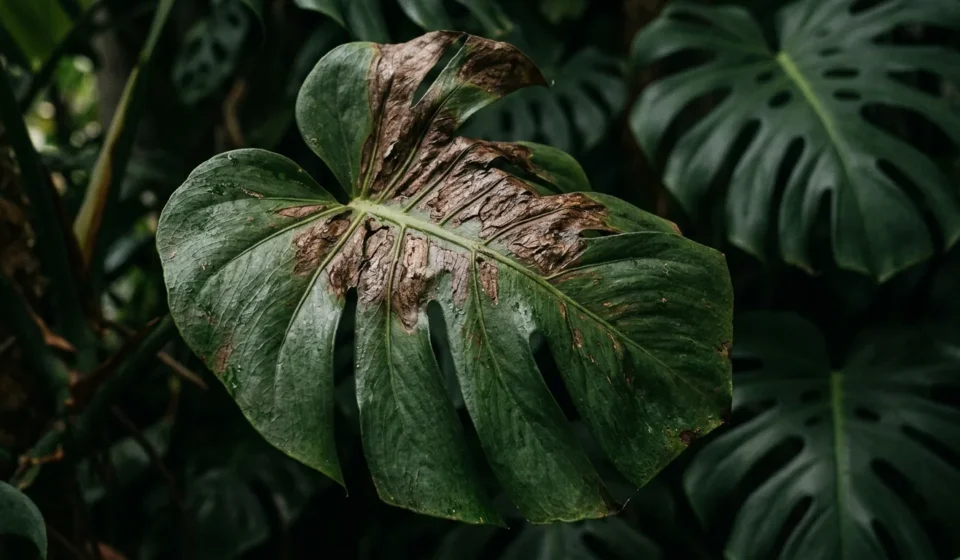
Root rot is arguably the most common and devastating houseplant disease, often caused by overwatering. Imagine this situation: you notice your beautiful Monstera deliciosa looking droopy, even though you just watered it. Your first instinct might be to water it again, right? But that could be the worst thing you do! Root rot occurs when roots sit in soggy soil for too long, depriving them of oxygen and creating a breeding ground for harmful fungi and bacteria.
Signs of Root Rot: Yellowing leaves (especially lower ones), soft and mushy stems, stunted growth, and a general wilting appearance even when the soil is wet. If you gently unpot your plant, the roots will appear brown or black and feel soft and slimy, often with a foul odor, instead of firm and white.
How to Treat It: This requires immediate action! Carefully remove the plant from its pot. Gently shake off as much of the old soil as possible. Using clean, sharp scissors or pruners, trim away all the brown, mushy, or slimy roots. You want to cut back to healthy, firm white root tissue. Repot your plant into a clean pot (or sterilize the old one) with fresh, well-draining potting mix. A good mix might be 50% potting soil, 30% perlite, and 20% orchid bark for extra aeration. After repotting, hold off on watering for a few days to let the roots recover, then water sparingly going forward. Remember, prevention is key here: always let the top 2-3 inches of soil dry out completely before watering again, and ensure your pot has drainage holes!
2. The White Dust: Powdery Mildew
Powdery mildew is like a ghostly invasion, making your plant look like it’s been dusted with flour. It’s a fungal disease that can affect a wide range of houseplants, though I’ve seen it particularly on plants like Begonias, African Violets, and even some types of Calatheas if conditions are right. While it rarely kills a plant outright, it can weaken it significantly and hinder photosynthesis.
Signs of Powdery Mildew: White, powdery spots or patches on leaves, stems, and sometimes even flowers. These spots often start small and can spread to cover large areas of the plant. The affected leaves might eventually yellow, curl, or distort.
How to Treat It: First, isolate the affected plant immediately to prevent spread to your other green friends. You can often wipe off mild cases of powdery mildew with a damp cloth. For more persistent cases, mix a solution of 1 teaspoon of baking soda per quart of water, or use a diluted neem oil spray (follow product instructions carefully). Spray the entire plant, making sure to coat both the top and underside of the leaves. Repeat every 7-10 days until the mildew is gone. To prevent recurrence, improve air circulation around your plants, avoid overhead watering, and ensure they aren’t too crowded.
3. The Spotted Menace: Fungal Leaf Spot
Have you ever noticed small, discolored spots appearing on your plant’s leaves? That could be fungal leaf spot. These spots are often circular or irregular and can range in color from brown, black, yellow, or tan, sometimes with a distinct halo around them. Fungal leaf spots thrive in damp, humid conditions with poor air circulation, making them common in environments where water lingers on leaves.
Signs of Fungal Leaf Spot: Small, dark, sunken spots on leaves that may grow larger over time. The spots might have a yellow border, and in severe cases, affected leaves can turn yellow and drop off. Plants like Ficus, Peperomia, and even some Philodendrons are susceptible.
How to Treat It: Start by pruning off any severely affected leaves and dispose of them in the trash (not your compost!). Increase air circulation around your plant – a small fan can help. Avoid overhead watering; instead, water directly at the soil level to keep leaves dry. You can also try a diluted fungicidal spray, like one containing copper or sulfur, for more stubborn infections. Always read and follow the product instructions. Keeping your plant’s environment less humid by opening windows or using a dehumidifier can also help.
4. The Gray Fuzzy Problem: Botrytis Blight (Gray Mold)
Botrytis blight, often called gray mold, is another common fungal disease that can be particularly nasty because it often attacks flowers, buds, and softer parts of the plant. It’s especially prevalent in cool, damp, and poorly ventilated environments. Think of it as a fuzzy, grayish-brown blanket trying to smother your plant’s beauty.
Signs of Botrytis Blight: A soft, grayish-brown fuzzy mold that appears on leaves, stems, flowers, or buds. The affected areas often become water-soaked and soft, eventually rotting. You might notice buds failing to open or flowers developing discolored, mushy spots.
How to Treat It: This one spreads quickly, so immediate removal of all affected plant parts is crucial. Use clean, sharp shears to prune away any leaves, stems, or flowers showing signs of gray mold, cutting back to healthy tissue. Improve air circulation dramatically; consider moving the plant to a less humid spot or using a fan. Reduce watering and ensure the plant isn’t sitting in cold drafts. Fungicides can be used for severe cases, but often, improving cultural conditions is enough to stop its spread. Honestly, prevention here is your best friend!
5. The Watery Lesions: Bacterial Leaf Spot/Blight
While often confused with fungal leaf spots, bacterial leaf spots have distinct characteristics. These diseases are caused by various bacteria and thrive in wet, humid conditions, often spreading through splashing water droplets. They can be incredibly damaging, especially to plants like Aglaonema (Chinese Evergreen) or Dieffenbachia.
Signs of Bacterial Leaf Spot/Blight: Irregularly shaped, water-soaked spots that often appear dark green or brown. Unlike fungal spots, bacterial spots might have a greasy or translucent appearance and can sometimes exude a sticky fluid. In severe cases, large areas of the leaf may become blighted, turning black and mushy, sometimes accompanied by a foul odor.
How to Treat It: Unfortunately, bacterial diseases are harder to treat with chemical solutions than fungal ones. The best approach is to remove and destroy all affected leaves and stems immediately. Ensure good air circulation and avoid overhead watering to prevent splashing water, which can spread the bacteria. Always water at the base of the plant. Seriously, this makes a huge difference! Isolate the infected plant. You might need to consider discarding severely infected plants to protect your other houseplants, especially if it’s spreading rapidly.
Common Mistakes to Avoid & What to Do This Week
When it comes to plant diseases, prevention truly is the easiest cure. Based on my experience, here are a few common pitfalls and your action plan for this week:
- Overwatering is the #1 Culprit: Most diseases either directly or indirectly stem from too much moisture. Always check the soil moisture before watering. A simple moisture meter can be a game-changer!
- Poor Air Circulation: Stagnant, humid air is an invitation for fungal and bacterial diseases. Make sure your plants aren’t crammed together.
- Ignoring Early Signs: A little spot today can be a big problem tomorrow. Inspect your plants regularly.
- Not Isolating New Plants: Always quarantine new plant additions for a few weeks to ensure they aren’t bringing any unwanted guests (pests or diseases) into your home.
- Using Dirty Tools: Always sterilize your pruning shears with rubbing alcohol between plants to avoid spreading diseases.
Your “What to Do This Week” Takeaway: Take a few minutes to inspect all your houseplants thoroughly. Look at the top and bottom of leaves, feel the soil, and check for any unusual spots or textures. If you see anything suspicious, refer back to this guide from easy houseplant care | Simple Indoor Plant Tips. Adjust your watering routine if you suspect overwatering, and ensure good airflow around all your plants. A little proactive care goes a long way!
Dealing with houseplant diseases can feel daunting, but with the right knowledge and a bit of vigilance, you absolutely can save your green companions. Remember, every plant parent encounters challenges, and learning to overcome them is part of the journey to becoming a true plant expert. Keep observing, keep learning, and most importantly, keep enjoying your thriving indoor jungle!
Frequently Asked Questions
What is the most common and devastating houseplant disease?
The most common and devastating houseplant disease is root rot, often caused by overwatering. Root rot occurs when roots sit in soggy soil for too long, depriving them of oxygen and creating a breeding ground for harmful fungi and bacteria. Signs of root rot include yellowing leaves, soft and mushy stems, stunted growth, and a general wilting appearance even when the soil is wet.
How can I treat root rot in my houseplant?
To treat root rot, carefully remove the plant from its pot and gently shake off as much of the old soil as possible. Using clean, sharp scissors or pruners, trim away all the brown, mushy, or slimy roots. Repot your plant into a clean pot with fresh, well-draining potting mix, and hold off on watering for a few days to let the roots recover. Remember to water sparingly going forward and ensure your pot has drainage holes.
What is powdery mildew and how can I identify it?
Powdery mildew is a fungal disease that can affect a wide range of houseplants, causing white, powdery spots or patches on leaves, stems, and sometimes even flowers. These spots often start small and can spread to cover large areas of the plant, and the affected leaves might eventually yellow, curl, or distort. To treat powdery mildew, isolate the affected plant immediately and wipe off mild cases with a damp cloth or use a diluted neem oil spray.
How can I prevent powdery mildew from recurring in my houseplants?
To prevent powdery mildew from recurring, improve air circulation around your plants, avoid overhead watering, and ensure they aren't too crowded. You can also use a solution of 1 teaspoon of baking soda per quart of water or a diluted neem oil spray to treat the plant. Repeat the treatment every 7-10 days until the mildew is gone, and take steps to prevent moisture from building up on the leaves.
What are the signs of fungal leaf spot in houseplants?
Fungal leaf spot is characterized by small, discolored spots appearing on a plant's leaves, which can be circular or irregular and range in color from brown, black, yellow, or tan, sometimes with a distinct halo around them. These spots thrive in damp, humid conditions with poor air circulation, and can be treated by improving air circulation, avoiding overhead watering, and using a fungicide specifically designed for houseplants.