Leaf Cutting Propagation: A Step-by-Step Guide

Introduction to Leaf Cutting Propagation
Imagine having a beautiful, thriving houseplant, and then being able to create multiple new plants from just a few of its leaves. This is the magic of leaf cutting propagation. As a houseplant enthusiast, I’ve tried my fair share of propagation methods, and I can tell you that leaf cutting is one of the most rewarding and easiest ways to multiply your favorite plants. But what would you do in this situation: you’ve just acquired a stunning Monstera deliciosa, and you want to share it with your friends and family? That’s where leaf cutting propagation comes in.
Table Of Content
- Introduction to Leaf Cutting Propagation
- Choosing the Right Plant and Leaf
- Preparing the Leaf Cutting
- Caring for the Leaf Cutting
- Troubleshooting Common Mistakes
- Frequently Asked Questions
- What is leaf cutting propagation?
- Which plants can be propagated using leaf cuttings?
- How do I choose the right leaf for propagation?
- What is the best way to prepare a leaf cutting for propagation?
- How do I care for a leaf cutting?
In my opinion, leaf cutting propagation is a great way to not only multiply your plants but also to learn more about their growth habits and needs. By trying out different propagation methods, you’ll gain a deeper understanding of your plants and become a more confident plant parent. So, let’s dive into the world of leaf cutting propagation and explore the best techniques and tips for success.
Before we begin, let me add something here: not all plants can be propagated using leaf cuttings. Some plants, like Snake Plant ‘Laurentii’, are better suited for division or seed propagation. However, many popular houseplants, such as Pothos, Peperomia, and Dracaena, can be easily propagated using leaf cuttings.
Choosing the Right Plant and Leaf
When it comes to leaf cutting propagation, choosing the right plant and leaf is crucial. You’ll want to select a healthy, mature leaf with a sturdy petiole (the stem that attaches the leaf to the plant). Avoid taking cuttings from weak or damaged leaves, as they may not root well. For example, imagine you’re trying to propagate a Calathea orbifolia, and you notice that some of its leaves are looking a bit wilted. In this case, it’s best to wait until the plant is looking its best before taking cuttings.
To be fair, the type of plant you’re working with will also determine the best time to take cuttings. Some plants, like ZZ Plant, can be propagated year-round, while others, like Monstera deliciosa, may have a specific propagation season. Honestly, it’s always a good idea to research the specific needs of your plant before attempting to propagate it.
Here are a few things to keep in mind when selecting a leaf for propagation:
- Choose a leaf that is large enough to provide sufficient energy for the new plant to grow.
- Select a leaf with a sturdy petiole that can support the weight of the leaf and any roots that may develop.
- Avoid taking cuttings from leaves that are too old or too young, as they may not root well.
Preparing the Leaf Cutting
Once you’ve selected the perfect leaf, it’s time to prepare it for propagation. This involves cutting the leaf from the plant, removing any lower leaves, and trimming the petiole to the right length. But what would you do in this situation: you’ve just cut the leaf from the plant, and you’re not sure how to trim the petiole? Don’t worry, it’s easier than you think. Simply cut the petiole to about 1-2 inches long, making sure to leave at least two nodes (the joint where the leaf meets the petiole) intact.
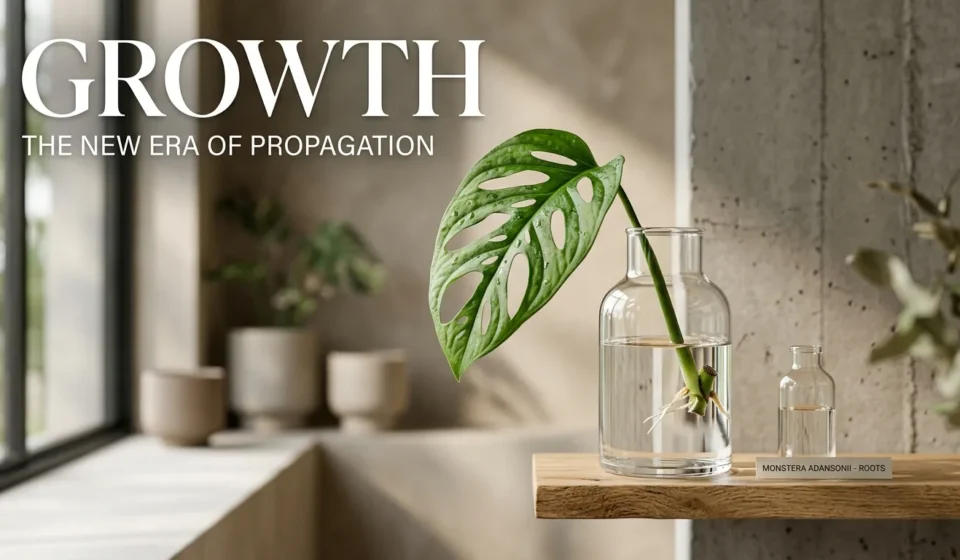
Now, let’s talk about the different methods for rooting leaf cuttings. You can either root them in water or in a well-draining soil mix. In my experience, rooting in water is a great way to see the roots develop, and it’s also a good way to increase the chances of successful propagation. However, some plants may prefer to be rooted directly in soil. For example, Pothos cuttings can be rooted in either water or soil, while Peperomia cuttings tend to do better in soil.
Here’s a step-by-step guide to preparing the leaf cutting:
- Cut the leaf from the plant using a sharp, sterile knife or pruning tool.
- Remove any lower leaves that will be submerged in water or soil.
- Trim the petiole to about 1-2 inches long, making sure to leave at least two nodes intact.
- Place the cutting in a glass of water or a pot filled with a well-draining soil mix.
Caring for the Leaf Cutting
Once you’ve prepared the leaf cutting, it’s time to provide it with the right conditions for rooting. This includes providing bright, indirect light, maintaining a consistent temperature, and keeping the soil or water moist. But what would you do in this situation: you’ve just placed the cutting in a glass of water, and you’re not sure how to keep it from getting too much direct sunlight? Simply place the glass in a spot that receives bright, indirect light, such as an east- or west-facing window.
In my opinion, the key to successful leaf cutting propagation is to provide the cutting with a consistent environment. This means keeping the soil or water consistently moist, but not waterlogged. You should also avoid exposing the cutting to extreme temperatures or drafts. For example, if you’re rooting a Calathea orbifolia cutting in water, you’ll want to make sure the water is at room temperature and not too cold or too hot.
Here are a few tips for caring for the leaf cutting:
- Provide bright, indirect light for most plants, but some plants like ZZ Plant can tolerate low light conditions.
- Maintain a consistent temperature between 65-75°F (18-24°C) for most plants.
- Keep the soil or water consistently moist, but not waterlogged.
Troubleshooting Common Mistakes
As with any form of plant propagation, there are some common mistakes to watch out for when using leaf cutting propagation. One of the most common mistakes is overwatering, which can lead to root rot and poor rooting. But what would you do in this situation: you’ve just noticed that the cutting is starting to develop roots, but the water is becoming cloudy and smelly? Don’t worry, it’s an easy fix. Simply change the water, and make sure to provide the cutting with fresh, oxygenated water.
Another common mistake is not providing enough light. While some plants can tolerate low light conditions, most plants will require bright, indirect light to photosynthesize and grow. For example, if you’re rooting a Monstera deliciosa cutting, you’ll want to make sure it’s receiving plenty of bright, indirect light to promote healthy growth and root development.
Here are a few common mistakes to watch out for:
- Overwatering, which can lead to root rot and poor rooting.
- Not providing enough light, which can lead to weak and spindly growth.
- Not maintaining a consistent temperature, which can lead to poor rooting and growth.
So far we covered the basics of leaf cutting propagation, from choosing the right plant and leaf to caring for the cutting and troubleshooting common mistakes. Now, let’s get to the really critical point: what to do this week to start propagating your favorite houseplants. Take a few minutes to research the specific needs of your plant, and then get started with the propagation process. With a little patience and practice, you’ll be growing new plants from leaf cuttings in no time.
Frequently Asked Questions
What is leaf cutting propagation?
Leaf cutting propagation is a method of creating new plants from the leaves of existing plants. It involves cutting a healthy, mature leaf from the plant and then rooting it in water or soil to create a new plant. This method is rewarding and easy, allowing plant enthusiasts to multiply their favorite plants and learn more about their growth habits and needs.
Which plants can be propagated using leaf cuttings?
Many popular houseplants, such as Pothos, Peperomia, and Dracaena, can be easily propagated using leaf cuttings. However, not all plants can be propagated using this method, and some may be better suited for division or seed propagation. It's essential to research the specific needs of your plant before attempting to propagate it.
How do I choose the right leaf for propagation?
To choose the right leaf for propagation, select a healthy, mature leaf with a sturdy petiole. Avoid taking cuttings from weak or damaged leaves, as they may not root well. Consider the size of the leaf, the age of the leaf, and the type of plant you're working with to determine the best leaf for propagation.
What is the best way to prepare a leaf cutting for propagation?
To prepare a leaf cutting for propagation, cut the leaf from the plant using a sharp, sterile knife or pruning tool. Remove any lower leaves that will be submerged in water or soil, and trim the petiole to about 1-2 inches long, leaving at least two nodes intact. You can then root the cutting in water or a well-draining soil mix.
How do I care for a leaf cutting?
To care for a leaf cutting, place the cutting in a glass of water or a pot filled with a well-draining soil mix. Make sure the cutting is in a bright, indirectly lit area and maintain a consistent temperature. You can also add a rooting hormone to increase the chances of successful propagation. With proper care, the leaf cutting should develop roots and grow into a new plant.