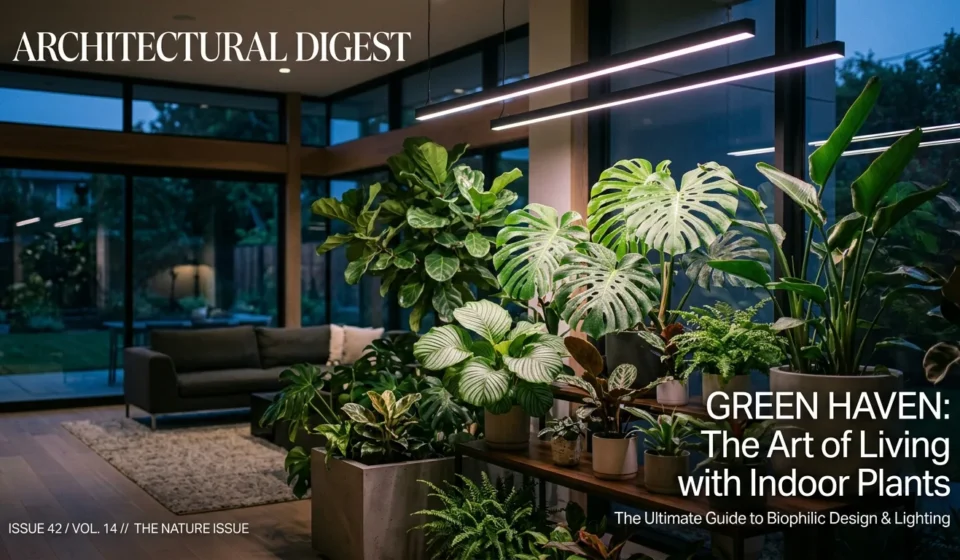
Grow Lights for Indoor Plants: A Simple Guide

Introduction to Grow Lights
Imagine this situation: you’ve just brought home a beautiful new houseplant, but your apartment doesn’t get much natural light. You’ve placed it near the window, but it’s just not getting the light it needs to thrive. That’s where grow lights come in – a game-changer for indoor plant enthusiasts. Honestly, I’ve seen many plants struggle in low-light conditions, only to flourish when given the right artificial lighting. In my opinion, grow lights are a must-have for any serious indoor gardener.
Table Of Content
- Introduction to Grow Lights
- Benefits of Grow Lights
- Choosing the Right Grow Light
- Common Mistakes to Avoid
- Conclusion and Next Steps
- Frequently Asked Questions
- What are grow lights and how do they work?
- What are the benefits of using grow lights for indoor plants?
- How do I choose the right grow light for my indoor plants?
- What are some common mistakes to avoid when using grow lights?
- What types of plants can benefit from grow lights?
But what would you do in this situation? Would you try to make do with the limited natural light, or would you invest in a grow light to give your plant the best chance of success? Let me add something here – grow lights are not just for plants that require a lot of light. They can also be used to supplement natural light, even in bright rooms, to promote healthy growth and prevent stretching.
So, what are grow lights, exactly? Simply put, they’re specialized lighting systems designed to provide the necessary spectrum and intensity of light for plant growth. There are many types of grow lights available, including LED, fluorescent, and high-intensity discharge (HID) lights. Each has its own advantages and disadvantages, which we’ll explore later.
Benefits of Grow Lights
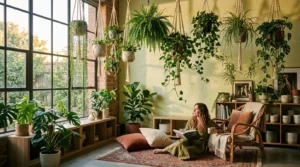
The benefits of grow lights are numerous. For one, they allow you to grow plants in areas with limited natural light, such as basements or offices. They also enable you to extend the growing season, even in areas with short winters or cool summers. Additionally, grow lights can help to promote healthy growth, prevent stretching, and increase yields. And, let’s not forget about the aesthetic benefits – a well-lit indoor garden can be a beautiful and calming addition to any room.
But, what about the cost? Honestly, grow lights can be an investment, especially if you’re just starting out. However, in my opinion, the benefits far outweigh the costs. With a grow light, you can enjoy a thriving indoor garden year-round, without having to worry about the limitations of natural light. Plus, many grow lights are energy-efficient and long-lasting, making them a cost-effective option in the long run.
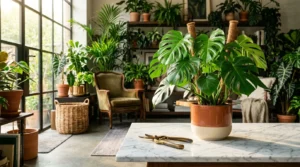
Some popular plants that benefit from grow lights include the Snake Plant ‘Laurentii’, Monstera deliciosa, and ZZ Plant. These plants are all relatively low-maintenance and can thrive in a variety of lighting conditions, making them perfect for indoor gardens with grow lights.
Choosing the Right Grow Light
So, how do you choose the right grow light for your indoor plants? It starts with understanding the different types of grow lights available. LED grow lights, for example, are energy-efficient and produce minimal heat, making them a great option for small spaces. Fluorescent grow lights, on the other hand, are often less expensive and can be a good choice for larger areas.
When selecting a grow light, consider the following factors:
- Spectrum: Look for a grow light that provides a balanced spectrum, including blue, red, and green light.
- Intensity: Choose a grow light that provides the right intensity for your plants. Some plants, like succulents, require less intense light, while others, like ferns, require more.
- Distance: Consider the distance between the grow light and your plants. A general rule of thumb is to place the light 6-12 inches above the plants.
- Timer: Look for a grow light with a built-in timer, or consider investing in a separate timer to ensure your plants receive the right amount of light each day.
Common Mistakes to Avoid
When using grow lights, it’s easy to make mistakes that can harm your plants. One common mistake is providing too much light, which can cause burning or scorching. On the other hand, providing too little light can lead to weak and leggy growth.
Another mistake is not adjusting the light spectrum or intensity based on the plant’s growth stage. For example, seedlings require more blue light, while mature plants require more red light. So, it’s essential to research the specific lighting requirements for your plants and adjust the grow light accordingly.
But, what would you do in this situation? Would you try to troubleshoot the problem on your own, or would you seek advice from a more experienced gardener? Let me add something here – it’s always a good idea to consult with a gardening expert or do some research before making any changes to your grow light setup.
Conclusion and Next Steps
In conclusion, grow lights are a valuable tool for any indoor gardener. By understanding the benefits and choosing the right grow light for your plants, you can enjoy a thriving and beautiful indoor garden year-round. So, what to do this week? Take some time to research the different types of grow lights available, and consider investing in one for your indoor plants. With a little practice and patience, you’ll be on your way to becoming a skilled indoor gardener.
To be fair, grow lights can seem overwhelming at first, but with a little knowledge and experience, they can be a powerful tool in your indoor gardening arsenal. I believe that with the right grow light, you can unlock the full potential of your indoor plants and enjoy a stunning and thriving indoor garden. So, go ahead, give grow lights a try, and see the difference for yourself!
Frequently Asked Questions
What are grow lights and how do they work?
Grow lights are specialized lighting systems designed to provide the necessary spectrum and intensity of light for plant growth. They can be used to supplement natural light, even in bright rooms, to promote healthy growth and prevent stretching. There are many types of grow lights available, including LED, fluorescent, and high-intensity discharge (HID) lights, each with its own advantages and disadvantages.
What are the benefits of using grow lights for indoor plants?
The benefits of grow lights are numerous, including the ability to grow plants in areas with limited natural light, extending the growing season, promoting healthy growth, preventing stretching, and increasing yields. Additionally, grow lights can help create a beautiful and calming indoor garden, and many are energy-efficient and long-lasting, making them a cost-effective option in the long run.
How do I choose the right grow light for my indoor plants?
To choose the right grow light, consider factors such as spectrum, intensity, distance, and timer. Look for a grow light that provides a balanced spectrum, including blue, red, and green light, and choose a light that provides the right intensity for your plants. Also, consider the distance between the grow light and your plants, and look for a light with a built-in timer or consider investing in a separate timer.
What are some common mistakes to avoid when using grow lights?
Common mistakes to avoid when using grow lights include providing too much light, which can cause burning or scorching, and providing too little light, which can lead to weak and leggy growth. Additionally, not adjusting the light spectrum or intensity based on the plant's growth stage can also harm plants. For example, seedlings require more blue light, while mature plants require more red light.
What types of plants can benefit from grow lights?
Many types of plants can benefit from grow lights, including low-maintenance plants such as Snake Plant 'Laurentii', Monstera deliciosa, and ZZ Plant. These plants can thrive in a variety of lighting conditions, making them perfect for indoor gardens with grow lights. Other plants, such as succulents and ferns, also require specific lighting conditions, and grow lights can help provide the right amount of light for these plants to thrive.