Humidity Hacks: Keep Your Tropical Houseplants Thriving & Hydrated

You’ve brought home that stunning Monstera, or perhaps a gorgeous Calathea with its intricate leaf patterns. You water it perfectly, give it bright indirect light, and yet… those leaf tips are browning, or maybe your plant just isn’t as lush as you hoped. Sound familiar? Chances are, your plant is crying out for more humidity!
Table Of Content
- Why Humidity Matters (More Than You Think!)
- Spotting the Signs: Is Your Plant Thirsty for Humidity?
- Your Go-To Humidity Hacks for Happy Plants
- 1. The Mighty Humidifier: The Ultimate Solution
- 2. The Classic Pebble Tray: Simple & Effective
- 3. Grouping Your Green Friends: Plants Are Social Creatures!
- 4. Misting (with a Caveat): A Temporary Refresh
- 5. Bathroom Bliss & Terrariums: Specialized Humidity Havens
- Common Humidity Mistakes to Avoid
- Quick “What to Do This Week” Takeaway
- Frequently Asked Questions
- Why is humidity important for tropical houseplants?
- What are the common signs that a tropical plant is craving more moisture in the air?
- How does low humidity affect the growth of tropical houseplants?
- Can high humidity help prevent pests on tropical houseplants?
- How can I create a humid environment for my tropical houseplants?
Most of our beloved houseplants hail from steamy, tropical jungles where the air is thick with moisture. Our cozy homes, however, especially during colder months when heating systems are blasting, tend to be significantly drier. This stark contrast can stress out your green companions, leading to a host of problems that often get mistaken for watering issues. But what would you do in this situation? Instead of reaching for the watering can again, you might just need to turn up the moisture in the air!
Don’t worry, creating a mini-jungle environment in your living room doesn’t have to be complicated. As an experienced plant parent, I’ve been there, done that, and figured out the simplest, most effective ways to keep those tropical beauties happy. Let’s dive into some easy, practical humidity hacks that will transform your plants from merely surviving to absolutely thriving.
Why Humidity Matters (More Than You Think!)
Before we jump into the solutions, let’s quickly understand why humidity is such a game-changer for your tropical plants. Humidity simply refers to the amount of water vapor in the air. For plants, this isn’t just a comfort factor; it’s vital for their health and a process called transpiration.
Think of transpiration as a plant’s way of sweating. Plants release water vapor through tiny pores on their leaves, which pulls water up from the roots, helping them absorb nutrients. In a low-humidity environment, this process happens too quickly, essentially drying out your plant faster than it can rehydrate itself. This leads to those tell-tale crispy brown leaf tips and edges you often see on plants like Calatheas, Ferns, and even some Alocasias.
Beyond preventing crispy leaves, adequate humidity also plays a crucial role in preventing pests. Many common houseplant pests, particularly spider mites, absolutely thrive in dry conditions. Keeping the air around your plants moist can act as a natural deterrent, making your plants less hospitable to these unwelcome guests. So, supporting proper humidity isn’t just about aesthetics; it’s a foundational part of plant health, growth, and pest resistance.
Spotting the Signs: Is Your Plant Thirsty for Humidity?
Your plants are pretty good at communicating their needs, if you know what to look for. Here are the most common signs that your tropical plant is craving more moisture in the air:
- Crispy or Brown Leaf Tips and Edges: This is arguably the most common and obvious sign, especially on plants like Prayer Plants (Maranta, Calathea), Ferns (Maidenhair, Boston), and some delicate Alocasias. The leaf tissue dries out and becomes brittle.
- Slowed or Stunted Growth: If your plant seems to be in a growth slump, not putting out new leaves, or if new leaves are smaller than usual, lack of humidity could be a contributing factor. Proper humidity supports healthy cell development.
- Drooping or Wilting Despite Adequate Watering: Sometimes plants droop not from a lack of soil water, but because they’re losing too much moisture to the surrounding dry air. They’re literally struggling to hold themselves up.
- Fussy Leaves that Curl or Crinkle: Certain plants, like Fittonias (Nerve Plants) and some Calatheas, will show their displeasure by curling their leaves inwards or developing a crinkled texture, trying to conserve moisture.
- Increased Pest Activity, Especially Spider Mites: As I mentioned, spider mites love dry air. If you’re consistently battling these tiny arachnids, a lack of humidity might be making your plants a welcoming home for them. Maintaining higher humidity can seriously disrupt their life cycle.
If you’re noticing one or more of these symptoms, it’s a strong signal that it’s time to implement some humidity-boosting strategies!
Your Go-To Humidity Hacks for Happy Plants
Now for the actionable stuff! Moving on from the ‘why’ to the ‘how,’ here are the simplest, most effective ways to give your tropical plants the moist air they crave:
1. The Mighty Humidifier: The Ultimate Solution
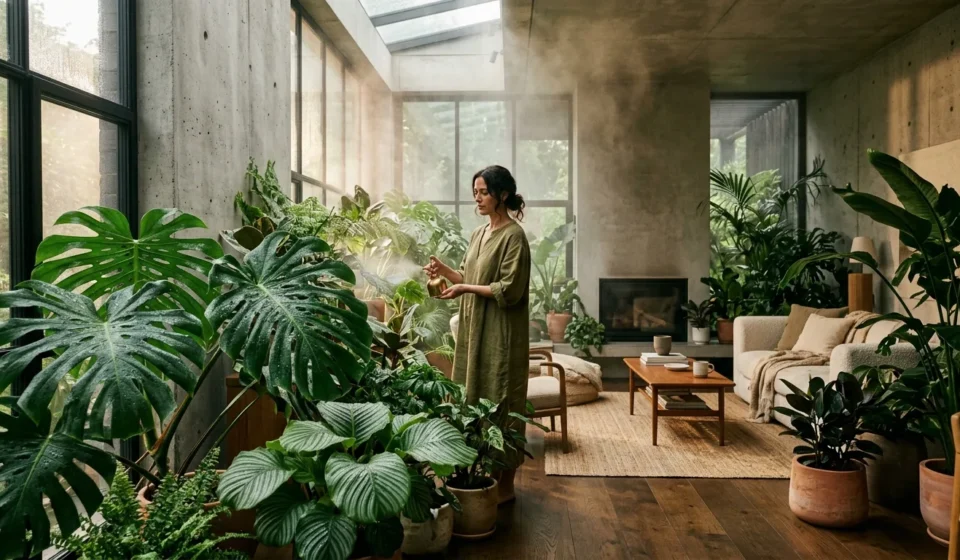
Honestly, if you have a collection of tropicals, a good humidifier is probably the single best investment you can make. It’s by far the most effective way to raise ambient humidity consistently over a large area. Look for a cool mist humidifier, as they are generally safer, more energy-efficient, and don’t heat the air around your plants. Place it near your plants, but not so close that they’re getting constantly drenched. A small personal humidifier can work wonders for a clustered group of plants, while a larger one can benefit an entire room.
For example, imagine this situation: I once had a stunning Calathea orbifolia that started looking really sad, despite my best efforts with watering. Its leaves were curling and getting crunchy. It wasn’t until I moved it into a bathroom with regular steamy showers (a natural humidifier!) that it bounced back beautifully, reminding me just how crucial humidity is. A dedicated humidifier provides that same kind of consistent relief, allowing those beautiful leaves to unfurl perfectly.
2. The Classic Pebble Tray: Simple & Effective
This is a super easy and cost-effective trick that’s been a staple in my own plant collection for years. To create one, simply take a shallow tray, fill it with a layer of pebbles or small stones, and then add water until it just reaches the top of the pebbles, but make sure the base of your plant pot is not submerged in the water. As the water slowly evaporates, it creates a small cloud of humidity directly around your plant. This method is fantastic for individual plants or smaller groups and acts as a great supplement to other humidity efforts.
3. Grouping Your Green Friends: Plants Are Social Creatures!
Did you know plants can help each other out? When you group several plants together, they collectively release moisture into the air through transpiration, creating a mini microclimate – a small, localized area with higher humidity – that benefits everyone in the cluster. This is particularly effective for smaller plants or for creating a dedicated “humidity zone” on a shelf or tabletop. Plus, it looks great!
4. Misting (with a Caveat): A Temporary Refresh
I know, I know – everyone loves misting! It feels good, looks pretty, and can temporarily refresh your plants and wash off some dust. But let me add something here: while misting provides a momentary boost of humidity, it’s a very temporary fix. The fine water droplets quickly evaporate, and the humidity levels return to normal. Relying solely on misting won’t solve a severe humidity problem. In fact, excessive misting, especially on plants with fuzzy leaves or in poor air circulation, can lead to fungal issues or bacterial spots. If you do mist, use distilled or filtered water to avoid unsightly mineral spots on leaves.
5. Bathroom Bliss & Terrariums: Specialized Humidity Havens
Certain rooms in your home naturally offer higher humidity. Your bathroom, especially if you take regular hot showers, is a prime example. Plants like Ferns, Orchids, Calatheas, and Fittonias absolutely adore the steamy environment of a bathroom. Consider moving your most humidity-loving plants there temporarily or permanently if the lighting is suitable.
For truly tiny humidity lovers, a terrarium or a glass cloche can be an excellent solution. These enclosed environments trap moisture, creating a self-sustaining humid atmosphere perfect for small ferns, mosses, or other humidity-sensitive mini plants. It’s like having a tiny, self-contained rainforest!
Common Humidity Mistakes to Avoid
While boosting humidity is generally beneficial, there are a few pitfalls to sidestep to ensure your plants remain healthy and happy:
- Misting as Your Only Solution: As discussed, misting offers fleeting relief. It’s a lovely ritual, but it rarely provides the consistent, lasting humidity that most tropical plants truly need. Combine it with other methods for best results.
- Letting Pots Sit in Water on Pebble Trays: This is a big no-no! If the bottom of your pot is constantly submerged in water on a pebble tray, it can lead to root rot, which is often fatal for plants. Always ensure the water level is below the base of the pot, allowing evaporation to do its job without waterlogging the roots.
- Ignoring Plant-Specific Needs: While most tropicals love humidity, some are more tolerant than others. A ZZ Plant or a Snake Plant, for example, won’t suffer nearly as much in dry air as a Calathea or a Maidenhair Fern. Always consider your specific plant’s requirements. easy houseplant care | Simple Indoor Plant Tips has plenty of resources on individual plant needs!
- Forgetting Ventilation: High humidity coupled with stagnant air can create a breeding ground for fungal diseases. Ensure there’s still some air circulation around your plants, especially if you’re using a humidifier. A gentle fan can help.
Quick “What to Do This Week” Takeaway
Feeling ready to tackle humidity? Here’s your quick checklist for the week:
- Assess Your Plants: Take a good look at your tropicals. Are there any crispy tips or signs of distress?
- Check Your Humidifier: If you have one, ensure it’s clean and filled with water.
- Top Up Pebble Trays: Make sure your pebble trays have water, but remember – keep it below the pot!
- Group for Goodness: Consider rearranging some plants to create a beneficial humidity cluster.
- Bathroom Break: If you have a highly sensitive plant (like a Fern), consider giving it a temporary spa day in your bathroom.
By understanding and addressing your plants’ humidity needs, you’re not just preventing brown tips; you’re actively promoting lush growth, vibrant foliage, and stronger, healthier plants overall. It’s a simple step that yields incredible results, transforming your indoor space into a thriving, green oasis. Happy growing!
Frequently Asked Questions
Why is humidity important for tropical houseplants?
Humidity is crucial for tropical houseplants as it affects their transpiration process, which is how plants release water vapor through tiny pores on their leaves, pulling water up from the roots to absorb nutrients. In a low-humidity environment, this process happens too quickly, leading to dryness and potential health issues. Adequate humidity also helps prevent pests, such as spider mites, from thriving on the plants.
What are the common signs that a tropical plant is craving more moisture in the air?
Common signs that a tropical plant needs more humidity include crispy or brown leaf tips and edges, slowed or stunted growth, drooping or wilting despite adequate watering, fussy leaves that curl or crinkle, and increased pest activity, especially spider mites. These signs indicate that the plant is struggling to maintain its health and growth due to low humidity.
How does low humidity affect the growth of tropical houseplants?
Low humidity can lead to slowed or stunted growth in tropical houseplants, as it disrupts the plant's ability to absorb nutrients and water. This can result in smaller leaves, reduced growth, and a overall decline in the plant's health. By maintaining proper humidity levels, you can support healthy cell development and promote lush, vibrant growth in your tropical houseplants.
Can high humidity help prevent pests on tropical houseplants?
Yes, maintaining higher humidity can help prevent pests, such as spider mites, from thriving on tropical houseplants. Spider mites love dry air, so by keeping the air around your plants moist, you can create an environment that is less hospitable to these pests. This can help reduce the risk of infestation and promote overall plant health.
How can I create a humid environment for my tropical houseplants?
Creating a humid environment for your tropical houseplants can be simple and effective. You can use a humidifier, group plants together to create a microclimate, or place the plant on a tray filled with water and pebbles. These methods can help maintain a humid environment that promotes healthy growth and thriving plants.