Air Plant Care Made Easy

Introduction to Air Plant Care
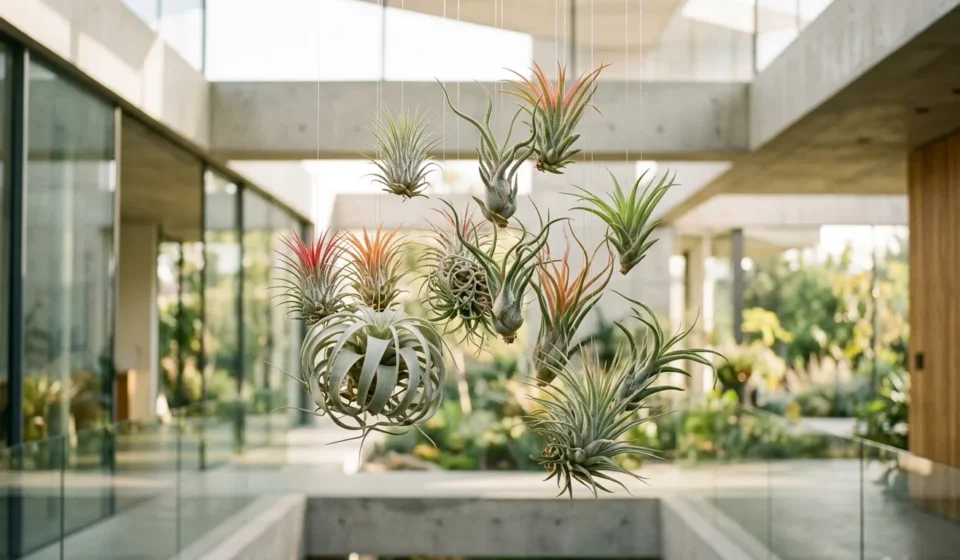
Imagine having a plant that doesn’t need soil to survive – sounds like a dream, right? Well, with air plants, that dream is a reality. Also known as tillandsias, these epiphytes have adapted to absorb moisture and nutrients through their leaves, making them the perfect choice for those who want to add some greenery to their space without the hassle of traditional gardening. But what would you do in this situation: you’ve just brought home your first air plant, and you’re not sure where to start? Honestly, I’ve been there too, and that’s why I’m excited to share my knowledge with you.
Table Of Content
- Introduction to Air Plant Care
- Watering Your Air Plant
- Lighting and Humidity
- Tips for Propagating Air Plants
- Common Mistakes to Avoid
- Conclusion and Next Steps
- Frequently Asked Questions
- What are air plants and how do they survive without soil?
- How often should I water my air plant?
- What kind of lighting do air plants prefer?
- Can I propagate my air plant?
- What temperature and humidity levels are ideal for air plants?
Let me add something here: air plants are incredibly versatile and can thrive in a variety of environments, from bright, sunny spots to more shaded areas. However, they do require some basic care to keep them happy and healthy. In my opinion, the key to successful air plant care is understanding their unique needs and adapting your care routine accordingly.
To be fair, air plants can be a bit finicky, but with the right care, they can be a stunning addition to any room. So far, we’ve covered the basics of air plants, but now let’s get to the really critical point: how to care for them. Watering is the most crucial aspect of air plant care, and it’s essential to get it right.
Watering Your Air Plant
But what would you do in this situation: your air plant is looking a bit parched, and you’re not sure how much water to give it? The answer is simple: submerge your air plant in a bowl of water for 1-2 hours, 2-3 times a week. Yes, you read that right – submerge! This will allow the plant to absorb the moisture it needs to thrive. After soaking, gently shake off any excess water to prevent rot.
Here are some tips to keep in mind when watering your air plant:
- Use filtered or bottled water, as tap water can contain high levels of minerals that can harm your plant.
- Avoid getting water on the base of the plant, as this can cause rot.
- Don’t overwater – air plants are susceptible to rot if they’re too wet.
In my experience, the best way to water an air plant is to use a combination of soaking and misting. Soaking provides the plant with a good dose of moisture, while misting helps to keep the leaves hydrated between waterings.
Lighting and Humidity
Now that we’ve covered watering, let’s talk about lighting and humidity. Air plants prefer bright, indirect light, but they can tolerate some direct sunlight. However, be careful not to expose your plant to too much direct sunlight, as this can cause the leaves to become scorched. Bright indirect light is ideal, and you can achieve this by placing your plant near an east- or west-facing window.
When it comes to humidity, air plants prefer a relatively low-humidity environment, around 40-50%. This is easy to achieve in most homes, but if you live in a particularly dry or humid climate, you may need to take some extra steps to maintain the right level of humidity. Honestly, I’ve found that a simple humidifier or dehumidifier can make all the difference.
Let me add something here: air plants can be a bit sensitive to extreme temperatures, so it’s essential to keep them away from heating or cooling vents, fireplaces, and drafty windows. A consistent temperature between 50-90°F (10-32°C) is ideal.
Tips for Propagating Air Plants
One of the most exciting things about air plants is that they can be easily propagated. To propagate an air plant, you’ll need to remove the offsets, or “pups,” that form around the base of the plant. These offsets can be separated from the mother plant and grown into new, independent plants. Here are some tips for propagating air plants:
- Wait until the offsets are at least 1/3 the size of the mother plant before removing them.
- Use a gentle twisting motion to separate the offset from the mother plant.
- Allow the offset to dry for a few hours before watering it.
In my opinion, propagating air plants is a great way to share plants with friends and family, and it’s also a fun way to expand your own collection.
Common Mistakes to Avoid
But what would you do in this situation: you’ve been caring for your air plant for a few weeks, but it’s starting to look a bit sad? Don’t worry, it’s easy to make mistakes when caring for air plants, but the good news is that they’re often easy to fix. Here are some common mistakes to avoid:
- Overwatering: this is the most common mistake people make when caring for air plants. Remember, it’s better to err on the side of caution and underwater than to overwater.
- Underwatering: on the other hand, underwatering can also be a problem. Make sure to water your air plant regularly, but avoid getting water on the base of the plant.
- Not providing enough light: air plants need bright, indirect light to thrive, so make sure to place them in a spot that gets plenty of light.
To be fair, caring for an air plant can be a bit of a learning curve, but with practice and patience, you’ll get the hang of it. And don’t worry if you make a few mistakes along the way – it’s all part of the process.
Conclusion and Next Steps
So far, we’ve covered the basics of air plant care, from watering and lighting to humidity and propagation. Now that you have the knowledge, it’s time to put it into practice. Remember, the key to successful air plant care is to be consistent and patient. With a little practice, you’ll be able to keep your air plants thriving and enjoy the many benefits they have to offer.
What to do this week: take a few minutes to assess your air plant’s care routine and make any necessary adjustments. Check the plant’s moisture levels, adjust the lighting, and make sure it’s getting the right amount of humidity. By following these simple tips, you’ll be well on your way to becoming an air plant expert and enjoying the beauty and unique charm of these amazing plants.
Frequently Asked Questions
What are air plants and how do they survive without soil?
Air plants, also known as tillandsias, are epiphytes that have adapted to absorb moisture and nutrients through their leaves, making them a low-maintenance choice for adding greenery to any space. They can thrive in a variety of environments and are perfect for those who want to add some plants to their home without the hassle of traditional gardening. With proper care, air plants can be a stunning addition to any room and can even be propagated to share with friends and family.
How often should I water my air plant?
Watering is the most crucial aspect of air plant care, and it's essential to get it right. You should submerge your air plant in a bowl of water for 1-2 hours, 2-3 times a week. After soaking, gently shake off any excess water to prevent rot. It's also important to use filtered or bottled water and avoid getting water on the base of the plant to prevent rot.
What kind of lighting do air plants prefer?
Air plants prefer bright, indirect light, but they can tolerate some direct sunlight. However, be careful not to expose your plant to too much direct sunlight, as this can cause the leaves to become scorched. Bright indirect light is ideal, and you can achieve this by placing your plant near an east- or west-facing window. Consistent lighting will help keep your air plant happy and healthy.
Can I propagate my air plant?
Yes, air plants can be easily propagated by removing the offsets, or 'pups,' that form around the base of the plant. Wait until the offsets are at least 1/3 the size of the mother plant before removing them, and use a gentle twisting motion to separate the offset from the mother plant. Allow the offset to dry for a few hours before watering it, and with proper care, it will grow into a new, independent plant.
What temperature and humidity levels are ideal for air plants?
Air plants prefer a relatively low-humidity environment, around 40-50%, and a consistent temperature between 50-90°F (10-32°C). They can be sensitive to extreme temperatures, so it's essential to keep them away from heating or cooling vents, fireplaces, and drafty windows. A simple humidifier or dehumidifier can help maintain the right level of humidity, especially in dry or humid climates.