
Choosing Your Perfect Bedroom Plant: A Guide for Restful, Green Spaces

Imagine stepping into your bedroom after a long day, and instantly feeling a sense of calm wash over you. The air feels fresher, the space looks more inviting, and a subtle touch of nature brings an undeniable peace. That’s the magic a well-chosen houseplant can bring to your sanctuary. But with so many options, how do you pick the right one for your personal haven?
Table Of Content
- Why a Plant in Your Bedroom is a Game Changer
- Air Purification & Improved Sleep
- Stress Reduction & Aesthetics
- Key Factors When Choosing Your Bedroom Plant
- Light Conditions: Bright, Medium, or Low?
- Maintenance Level: How Much Effort Are You Willing To Put In?
- Size & Space: Finding the Right Fit
- Pet & Child Safety
- Top Picks for a Dreamy Bedroom Oasis
- Low-Maintenance Superstars
- Air-Purifying Powerhouses
- Aromatic & Relaxing Choices
- Essential Care Tips for Thriving Bedroom Plants
- Watering Wisdom
- Light Placement & Rotation
- Pest Prevention & Quick Fixes
- Common Bedroom Plant Mistakes to Avoid
- Quick "What to Do This Week" Takeaway
- Frequently Asked Questions
- How can plants in the bedroom improve sleep?
- What are the benefits of having plants in the bedroom?
- How do I choose the right plant for my bedroom?
- Can plants really reduce stress and improve mood?
- Do I need a lot of natural light for bedroom plants?
You’re not alone if you’ve ever felt overwhelmed by the choices or worried about keeping a plant alive in your sleep space. As an urban horticulturist who’s filled countless bedrooms with greenery (and made a few mistakes along the way!), I’m here to guide you. This isn’t just about aesthetics; it’s about creating an environment that supports rest, reduces stress, and even helps you breathe easier. Let’s find your perfect green companion.
Why a Plant in Your Bedroom is a Game Changer
Bringing plants into your bedroom does so much more than just decorating. They are living, breathing additions that actively improve your environment. Honestly, it’s one of the easiest ways to upgrade your personal space.
Air Purification & Improved Sleep
Remember those NASA studies? Many common houseplants are fantastic natural air purifiers. They absorb airborne toxins like formaldehyde and benzene, which can off-gas from furniture, carpets, and cleaning products. What does this mean for you? Cleaner air to breathe while you sleep, potentially leading to a more restful night. Think of them as tiny, silent air filters working 24/7.
Beyond filtering toxins, some plants, like the Snake Plant, release oxygen at night, which is a unique trait among houseplants. This can contribute to a fresher atmosphere in your sealed-off bedroom. Wouldn’t it be amazing to wake up feeling refreshed, knowing your plant has been quietly working all night?
Stress Reduction & Aesthetics
There’s a reason nature makes us feel good. Studies consistently show that being around plants can lower stress levels, improve mood, and even boost productivity. In the bedroom, this translates to a calmer environment, perfect for unwinding before bed. The vibrant greens and natural textures add an organic touch that complements any decor style, making your room feel more complete and inviting.
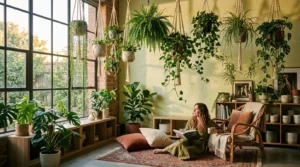
For example, imagine this situation: you’ve had a hectic day. You walk into your bedroom, and instead of a stark, empty space, a lush Pothos trails gracefully from a shelf, or a majestic Peace Lily graces your dresser. That visual connection to nature can instantly soothe your mind and signal to your body that it’s time to relax. It’s a small change with a big impact.
Key Factors When Choosing Your Bedroom Plant
So far we’ve covered the fantastic benefits. Now let’s get to the really critical point: choosing the right plant for your specific bedroom. Every room is different, and understanding these factors will help you pick a plant that truly thrives.
Light Conditions: Bright, Medium, or Low?
This is arguably the most important factor. Take a good look at your bedroom. How much natural light does it get? A "bright indirect light" spot means it’s near a window (like an east or west-facing window) but not getting direct, scorching sun on its leaves. "Medium light" is a few feet away from a bright window or near a north-facing window. "Low light" means it’s quite far from any window, or the window is small and shaded. Don’t worry if your room isn’t super bright; many wonderful plants prefer lower light.
To be fair, most bedrooms aren’t flooded with sunlight, especially if you have curtains for privacy and sleep. So, when picking a plant, err on the side of caution and assume your bedroom might have slightly less light than you think. Plants that need "bright direct light" (like succulents and cacti) are usually not the best bedroom companions unless you have an unshaded, south-facing window.
Maintenance Level: How Much Effort Are You Willing To Put In?
Are you a devoted plant parent who loves a daily check-in, or do you prefer a plant that can practically fend for itself? Most people want low-maintenance bedroom plants so they can focus on resting, not plant chores. Look for plants that tolerate infrequent watering and don’t require constant fussing over humidity or light adjustments.
Based on my experience, for a bedroom, simplicity is key. You want a plant that adds to your peace, not your to-do list. Choosing a plant that fits your lifestyle will prevent common frustrations and ensure both you and your plant stay happy.
Size & Space: Finding the Right Fit
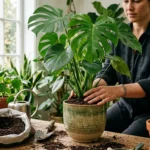
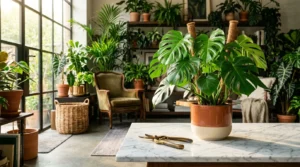
Consider the available space. Do you have a small bedside table, a spacious dresser, or an empty corner begging for a floor plant? A large Monstera might look stunning, but if it’s constantly bumping into your headboard, it’s not the right fit. Similarly, a tiny succulent might get lost on a grand dresser.
Think about the plant’s mature size too. A small Pothos might start compact, but its vines can grow quite long, adding a beautiful trailing effect over time. Choose a pot that complements your room’s aesthetic but also provides enough room for the plant to grow comfortably for a while.
Pet & Child Safety
This is absolutely crucial. If you have curious pets or small children, ensuring your plant choice is non-toxic is paramount. Many common houseplants are toxic if ingested, causing anything from mild irritation to serious illness. Always double-check a plant’s toxicity before bringing it into a shared living space, especially a bedroom where pets might chew on leaves or children might be tempted to explore. When in doubt, always choose a non-toxic option.
Top Picks for a Dreamy Bedroom Oasis
Now for the fun part: actual plant recommendations! These are my tried-and-true favorites for bedroom environments, balancing beauty, benefits, and ease of care.
Low-Maintenance Superstars
- Snake Plant (Sansevieria trifasciata): My absolute top recommendation for beginners and busy people. It tolerates low light, rarely needs watering (every 2-4 weeks, or when the soil is completely dry), and purifies air while releasing oxygen at night. Plus, it’s incredibly striking visually. Varieties like ‘Laurentii’ or ‘Moonshine’ are fantastic.
- ZZ Plant (Zamioculcas zamiifolia): Another champion of neglect! The ZZ Plant thrives in low light and can go weeks without water. Its waxy, dark green leaves add a sophisticated touch. Just be aware it is toxic, so place it out of reach of pets and children.
- Pothos (Epipremnum aureum): Extremely forgiving and versatile. Pothos tolerates medium to low light and prefers its soil to dry out between waterings. Its trailing vines are perfect for shelves or hanging baskets, adding a lush, cascading feel. Popular varieties include ‘Golden Pothos’ and ‘Marble Queen’. Note: also toxic if ingested.
Air-Purifying Powerhouses
While many plants purify air, these are particularly effective and well-suited for bedrooms:
- Peace Lily (Spathiphyllum): Known for its elegant white "flowers" (actually modified leaves called spathes) and excellent air-purifying abilities. It prefers medium to low light and will tell you exactly when it needs water by dramatically drooping its leaves – a great visual cue for new plant parents! Keep it out of reach of pets.
- Spider Plant (Chlorophytum comosum): Super easy to care for, non-toxic, and a fantastic air purifier. Spider Plants produce "spiderettes" that can be easily propagated, making them a fun and rewarding choice. They prefer bright indirect light but tolerate medium light.
Aromatic & Relaxing Choices
While most houseplants aren’t known for strong aromas, some exceptions exist, though often requiring more light or care:
- Lavender (Lavandula angustifolia): While typically an outdoor plant, a small lavender plant can be brought indoors for its calming scent. However, it needs plenty of direct sunlight (at least 6 hours) and excellent air circulation, making it higher maintenance for a typical bedroom. If you have a very bright, sunny bedroom window, it could work.
Essential Care Tips for Thriving Bedroom Plants
Once you’ve chosen your perfect plant, keeping it happy is the next step. Don’t overthink it; good care is often simpler than you imagine.
Watering Wisdom
The number one killer of houseplants is overwatering. Most bedroom plants (especially the low-light tolerant ones) prefer their soil to dry out significantly between waterings. A good rule of thumb for most is to water when the top 2-3 inches of soil feel dry to the touch. You can check this with your finger or, for more accuracy, use a moisture meter, which is a fantastic beginner-friendly tool.
When you do water, water thoroughly until you see water drain from the bottom of the pot. Always ensure your pot has drainage holes to prevent root rot. For most bedroom plants, watering every 7-14 days will be sufficient, adjusting for light and humidity.
Light Placement & Rotation
Even low-light plants appreciate some light! Place your plant where it will receive its preferred light level. If your bedroom has only one window, rotate your plant every few weeks to ensure all sides get some exposure. This prevents your plant from growing lopsided and helps it stay full and lush. Think of it as giving your plant an even tan!
Pest Prevention & Quick Fixes
Pests are rare indoors if you start with healthy plants, but they can happen. Inspect your plants regularly (every time you water) for any sticky residue, tiny bugs, or unusual spots. If you spot pests like spider mites or mealybugs, a gentle wipe with a damp cloth or a spray with a diluted neem oil solution can usually take care of the problem quickly. Catching issues early is always the best defense.
Common Bedroom Plant Mistakes to Avoid
It’s easy to make a few slip-ups, but knowing them upfront helps you sidestep potential problems.
- Overwatering: As mentioned, it’s the most common mistake. When in doubt, wait another day to water.
- Insufficient Light: Even low-light plants need some light. If leaves are turning pale, yellowing, or the plant is stretching towards a window (etiolation), it likely needs more light.
- Ignoring Drainage: A pot without drainage holes is a recipe for disaster. Always use pots with holes, or place a nursery pot with drainage inside a decorative pot.
- Toxicity Neglect: Forgetting to check if a plant is pet or child-safe can lead to serious consequences. Always prioritize safety.
Quick "What to Do This Week" Takeaway
Take a moment to assess your bedroom’s light. Pick one or two plants from our "Top Picks" list that match your light and lifestyle. Buy a pot with drainage, a good quality well-draining potting mix, and perhaps a moisture meter. Introduce your new green friend to your bedroom and enjoy the fresh start!
Bringing a plant into your bedroom is more than just adding decor; it’s an investment in your well-being. With these practical tips and plant recommendations from Easy Houseplant Care | Simple Indoor Plant Tips, you’re now equipped to choose a green companion that will not only thrive in your sleep space but also contribute to a calmer, more refreshing environment. Get ready to enjoy a little more zen and a lot more green in your life!
Frequently Asked Questions
How can plants in the bedroom improve sleep?
Plants in the bedroom can improve sleep by purifying the air and releasing oxygen at night. Many common houseplants are natural air purifiers, absorbing airborne toxins like formaldehyde and benzene, which can off-gas from furniture, carpets, and cleaning products. This leads to cleaner air to breathe while you sleep, potentially resulting in a more restful night. Some plants, like the Snake Plant, release oxygen at night, contributing to a fresher atmosphere in your sealed-off bedroom.
What are the benefits of having plants in the bedroom?
Having plants in the bedroom brings numerous benefits, including air purification, improved sleep, stress reduction, and aesthetic appeal. Plants can lower stress levels, improve mood, and even boost productivity, creating a calmer environment perfect for unwinding before bed. The vibrant greens and natural textures add an organic touch that complements any decor style, making your room feel more complete and inviting.
How do I choose the right plant for my bedroom?
To choose the right plant for your bedroom, consider the light conditions, maintenance level, and your personal preferences. Assess the natural light in your bedroom, whether it's bright, medium, or low, and select a plant that thrives in those conditions. Also, think about how much effort you're willing to put into plant care and maintenance. By understanding these factors, you can pick a plant that truly thrives in your bedroom.
Can plants really reduce stress and improve mood?
Yes, studies consistently show that being around plants can lower stress levels, improve mood, and even boost productivity. The visual connection to nature can instantly soothe your mind and signal to your body that it's time to relax. Plants like the Pothos and Peace Lily are great examples of how nature can be brought indoors to create a calming atmosphere, perfect for unwinding before bed.
Do I need a lot of natural light for bedroom plants?
Not all bedroom plants require a lot of natural light. Many wonderful plants prefer lower light conditions, making them perfect for bedrooms with limited sunlight. When picking a plant, err on the side of caution and assume your bedroom might have slightly less light than you think. Plants that need bright direct light, like succulents and cacti, are usually not the best bedroom companions unless you have an unshaded, south-facing window.