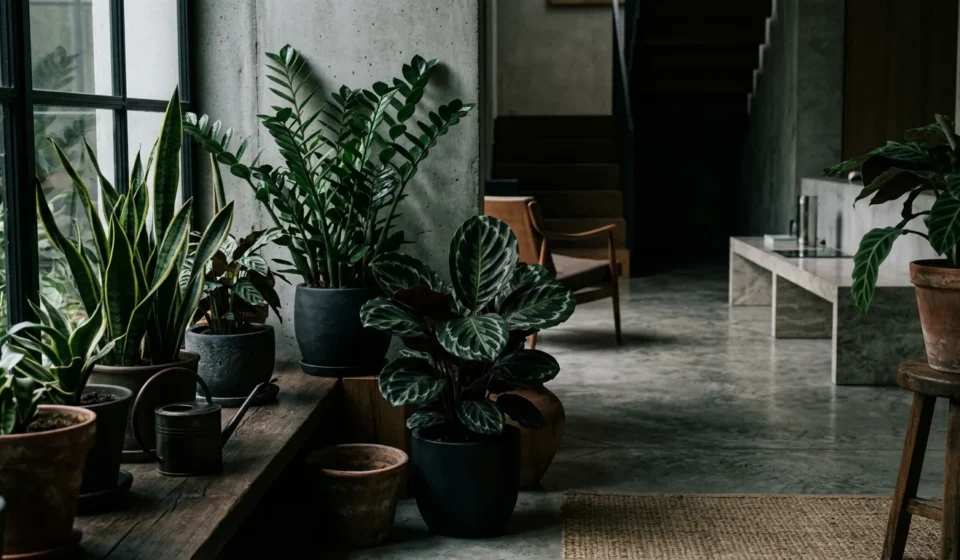
Low Light Plants: Thrive in Any Space

Introduction to Low Light Plants
Do you have a space with limited natural light, but still want to bring some greenery into your life? You’re not alone. Many of us have rooms or offices that don’t get direct sunlight, but that doesn’t mean you can’t have beautiful, thriving plants. In my opinion, low light plants are a game-changer for anyone who wants to purify the air, boost their mood, and add some visual interest to their space.
Table Of Content
- Introduction to Low Light Plants
- Choosing the Right Low Light Plants
- Understanding Light Levels
- Best Low Light Plants for Your Space
- Top Picks for Low Maintenance
- Caring for Your Low Light Plants
- Watering and Fertilization
- Conclusion and Next Steps
- Frequently Asked Questions
- What are low light plants and how can they benefit my space?
- How do I choose the right low light plant for my space?
- What are some common mistakes to avoid when caring for low light plants?
- How often should I fertilize my low light plants?
- Can I use grow lights to supplement the light for my low light plants?
For example, imagine this situation: you’ve just moved into a new apartment with a north-facing window. The natural light is limited, but you still want to have some plants to brighten up the space. What would you do in this situation? You could try using grow lights, but that’s not always the most practical or cost-effective solution. Instead, you could opt for low light plants that can thrive in conditions with limited natural light.
Based on my experience, I believe that low light plants are perfect for anyone who wants to get into indoor gardening, but doesn’t have a lot of direct sunlight to spare. They’re low maintenance, easy to care for, and can tolerate a range of lighting conditions. So, let’s dive in and explore some of the best low light plants for your space.
Choosing the Right Low Light Plants
Understanding Light Levels
Before we get into the best low light plants, let’s talk about what we mean by “low light”. In general, low light refers to spaces that get limited direct sunlight, such as north-facing rooms or offices with few windows. Bright indirect light is ideal for many low light plants, but some can tolerate even lower light levels, such as medium or low light.
To give you a better idea, here are some common light levels and the plants that can thrive in them:
- Bright indirect light: 4-6 hours of indirect sunlight per day
- Medium light: 2-4 hours of indirect sunlight per day
- Low light: 1-2 hours of indirect sunlight per day
Now that we’ve covered the basics of light levels, let’s talk about some of the best low light plants for your space.
Best Low Light Plants for Your Space
Top Picks for Low Maintenance
Some of the best low light plants are also low maintenance, making them perfect for busy people or those new to indoor gardening. Here are a few of my favorites:
- Snake Plant (Sansevieria Trifasciata): This plant is almost impossible to kill and can thrive in low light conditions. It’s also great for air purification and can go weeks without watering.
- ZZ Plant (Zamioculcas zamiifolia): The ZZ Plant is a low light champion and can survive in conditions with as little as 1 hour of indirect sunlight per day. It’s also low maintenance and only needs to be watered once a week.
- Pothos (Epipremnum aureum): Pothos is a versatile, low light plant that can thrive in a range of conditions. It’s also easy to propagate and can be trained to climb up walls or trellises.
These plants are all great options for low light spaces, but there are many more to choose from. Let me add something here: when choosing a low light plant, make sure to consider the specific lighting conditions in your space and the plant’s specific needs.
Caring for Your Low Light Plants
Watering and Fertilization
One of the most common mistakes people make when caring for low light plants is overwatering. Since these plants are adapted to thrive in low light conditions, they often have slower growth rates and don’t need as much water. Watering once a week is a good rule of thumb, but make sure to check the soil moisture before watering.
Fertilization is also important for low light plants, but you’ll want to use a balanced fertilizer at half the recommended strength to avoid burning the roots. I recommend fertilizing your low light plants every 4-6 weeks during the growing season (spring and summer).
To be fair, caring for low light plants is relatively easy, but it does require some attention to detail. Make sure to monitor your plants’ condition and adjust your care routine as needed.
Conclusion and Next Steps
So far we’ve covered the basics of low light plants, including how to choose the right plants for your space and how to care for them. Now it’s time to take action and start enjoying the benefits of indoor gardening, even in low light spaces.
Here’s what you can do this week: take a closer look at your space and identify areas that could benefit from some greenery. Consider the lighting conditions and choose a few low light plants that fit your lifestyle and decor. With the right plants and a little care, you can create a thriving indoor garden that purifies the air, boosts your mood, and adds some visual interest to your space.
In my opinion, low light plants are a great way to get started with indoor gardening, and with the right care, they can thrive in even the most challenging lighting conditions. So why not give it a try? Head over to easy houseplant care | Simple Indoor Plant Tips for more tips and advice on low light plants and indoor gardening.
Frequently Asked Questions
What are low light plants and how can they benefit my space?
Low light plants are plants that can thrive in spaces with limited natural light, making them perfect for rooms or offices with few windows. They can help purify the air, boost your mood, and add visual interest to your space. With low maintenance and easy care, low light plants are a great option for anyone who wants to get into indoor gardening without a lot of direct sunlight.
How do I choose the right low light plant for my space?
To choose the right low light plant, consider the specific lighting conditions in your space and the plant's specific needs. Understand the different light levels, such as bright indirect light, medium light, and low light, and select plants that can thrive in those conditions. Some popular low light plants include Snake Plant, ZZ Plant, and Pothos.
What are some common mistakes to avoid when caring for low light plants?
One of the most common mistakes people make when caring for low light plants is overwatering. Since these plants have slower growth rates, they don't need as much water. Watering once a week is a good rule of thumb, but make sure to check the soil moisture before watering. Also, use a balanced fertilizer at half the recommended strength to avoid burning the roots.
How often should I fertilize my low light plants?
Fertilization is important for low light plants, but you'll want to use a balanced fertilizer at half the recommended strength to avoid burning the roots. I recommend fertilizing your low light plants every 4-6 weeks during the growing season, which is typically spring and summer. This will provide your plants with the necessary nutrients to thrive in low light conditions.
Can I use grow lights to supplement the light for my low light plants?
While grow lights can be a solution for low light spaces, they may not always be the most practical or cost-effective option. Low light plants are adapted to thrive in conditions with limited natural light, so they can often do well without supplemental lighting. However, if you do choose to use grow lights, make sure to select a high-quality option and follow the manufacturer's instructions for use.