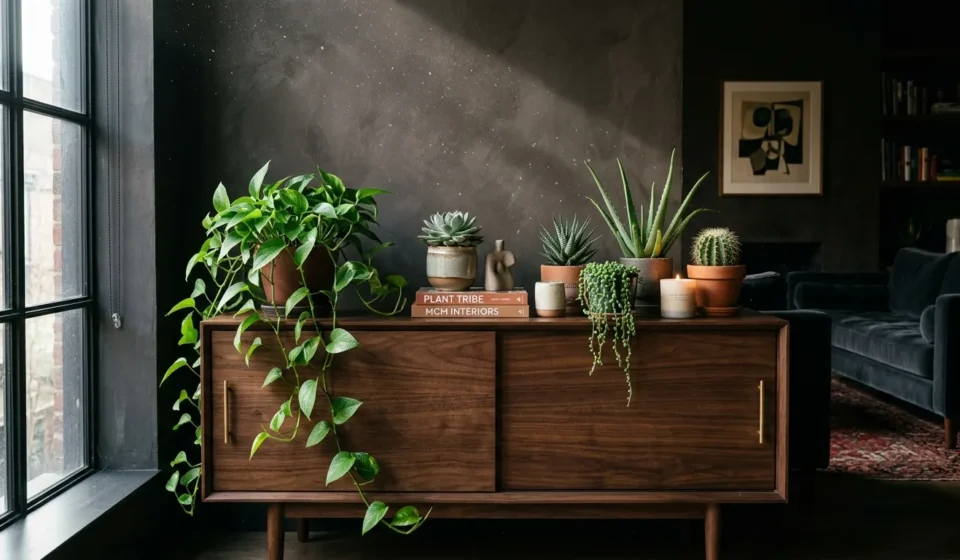
Low Maintenance Plants for Busy People

Introduction to Low Maintenance Plants
Imagine coming home from a long day at work, exhausted, and still having to worry about taking care of your plants. For many of us, this is a reality. But what if you could have beautiful, thriving plants without the hassle? As a houseplant expert, I’ve seen many people struggle to keep their plants alive, simply because they don’t have the time or knowledge to care for them properly. That’s why I want to share with you my top picks for low maintenance plants that are perfect for busy people.
Table Of Content
- Introduction to Low Maintenance Plants
- Choosing the Right Low Maintenance Plant
- Caring for Your Low Maintenance Plant
- Common Mistakes to Avoid
- Conclusion and Next Steps
- Frequently Asked Questions
- What makes a plant low maintenance?
- How do I choose the right low maintenance plant for my lifestyle?
- What are some common mistakes to avoid when caring for low maintenance plants?
- How often should I water my low maintenance plant?
- What are some benefits of having low maintenance plants in my home or office?
These plants are not only easy to care for, but they’re also great air purifiers, can help reduce stress, and add a touch of nature to your home or office. So, let’s dive in and explore the world of low maintenance plants.
But what makes a plant low maintenance, exactly? In my opinion, it’s a combination of factors, including the plant’s ability to survive with infrequent watering, its tolerance for low light conditions, and its resistance to pests and diseases. With these factors in mind, I’ve curated a list of plants that are sure to thrive in even the busiest of households.
Choosing the Right Low Maintenance Plant
So, how do you choose the right low maintenance plant for your lifestyle? Honestly, it’s all about understanding your own habits and limitations. If you tend to forget to water your plants, you’ll want to opt for something that can survive with infrequent watering, like a Snake Plant or a ZZ Plant. On the other hand, if you have a sunny windowsill, you can opt for something that loves bright light, like a Succulent or a Cactus.
Let me add something here: it’s also important to consider the size of the plant. If you have limited space, you’ll want to opt for something compact, like a Pothos or a Peperomia. And, of course, you’ll want to think about the level of care you’re willing to provide. If you’re a complete beginner, you may want to start with something super easy, like a Lucky Bamboo or a Dracaena.
Here are some factors to consider when choosing a low maintenance plant:
- Lighting: Can the plant survive in low light conditions, or does it require bright light?
- Watering: Can the plant survive with infrequent watering, or does it require consistent moisture?
- Temperature: Can the plant tolerate a range of temperatures, or does it require a specific temperature range?
- Humidity: Can the plant thrive in dry air, or does it require high humidity?
Caring for Your Low Maintenance Plant
So, you’ve chosen your low maintenance plant – now what? Caring for your plant is easier than you think. Here are some general tips to get you started:
First, make sure you’re watering your plant correctly. Over-watering is one of the most common mistakes people make when caring for their plants. To avoid this, simply check the soil moisture by sticking your finger into the soil up to the first knuckle. If the soil feels dry, it’s time to water. If it’s already moist, you can wait a few more days.
Next, consider the lighting requirements of your plant. If your plant requires bright light, make sure it’s placed in a sunny windowsill. If it prefers low light, you can place it in a corner or on a shelf away from direct sunlight.
Finally, fertilize your plant regularly to promote healthy growth. A balanced 10-10-10 fertilizer is a good option, and you can apply it every 4-6 weeks during the growing season.
Common Mistakes to Avoid
But what would you do in this situation: you’ve been caring for your plant for weeks, and suddenly it starts to decline? Maybe the leaves are turning yellow, or the stems are becoming weak. Don’t worry – it’s easy to diagnose and fix common problems. Here are some common mistakes to avoid:
Over-watering: This is one of the most common mistakes people make when caring for their plants. To avoid this, make sure you’re not watering your plant too frequently, and always check the soil moisture before watering.
Under-watering: On the other hand, some people tend to under-water their plants. If you notice your plant is droopy or wilted, it may be a sign that it needs more water.
Incorrect lighting: If your plant is not receiving the right amount of light, it can affect its growth and health. Make sure you’re providing the right amount of light for your plant, and adjust its position as needed.
Conclusion and Next Steps
So far we’ve covered the basics of low maintenance plants, including how to choose the right plant for your lifestyle and how to care for it. Now it’s time to take action and start enjoying the benefits of having plants in your home or office.
To get started, I recommend choosing one of the plants I mentioned earlier, such as a Snake Plant or a ZZ Plant. Once you have your plant, make sure you’re providing the right amount of water, light, and fertilizer, and adjust its care as needed.
Remember, caring for a low maintenance plant is all about finding a balance between neglect and over-care. With a little practice and patience, you’ll be able to enjoy the benefits of having plants in your home or office, without the hassle. So, what are you waiting for? Go ahead and start your plant journey today!
Frequently Asked Questions
What makes a plant low maintenance?
A low maintenance plant is one that can survive with infrequent watering, tolerate low light conditions, and resist pests and diseases. These plants are perfect for busy people who don't have a lot of time to care for their plants. Some examples of low maintenance plants include Snake Plants, ZZ Plants, and Succulents.
How do I choose the right low maintenance plant for my lifestyle?
To choose the right low maintenance plant, you need to consider your own habits and limitations. Think about how often you can water your plant, how much light it will get, and how much space you have available. You should also consider the level of care you're willing to provide, and whether you're a beginner or an experienced plant owner.
What are some common mistakes to avoid when caring for low maintenance plants?
Some common mistakes to avoid when caring for low maintenance plants include over-watering and under-watering. Over-watering can cause roots to rot, while under-watering can cause leaves to turn yellow and drop off. It's also important to provide the right amount of light and fertilizer for your plant, and to avoid pests and diseases.
How often should I water my low maintenance plant?
The frequency of watering your low maintenance plant will depend on the specific plant and its needs. As a general rule, you should check the soil moisture by sticking your finger into the soil up to the first knuckle. If the soil feels dry, it's time to water. If it's already moist, you can wait a few more days.
What are some benefits of having low maintenance plants in my home or office?
Low maintenance plants can have a number of benefits, including purifying the air, reducing stress, and adding a touch of nature to your home or office. They can also help to improve your mood and productivity, and can be a great way to bring some life and color into a room. Plus, they're easy to care for, so you can enjoy the benefits without a lot of hassle.