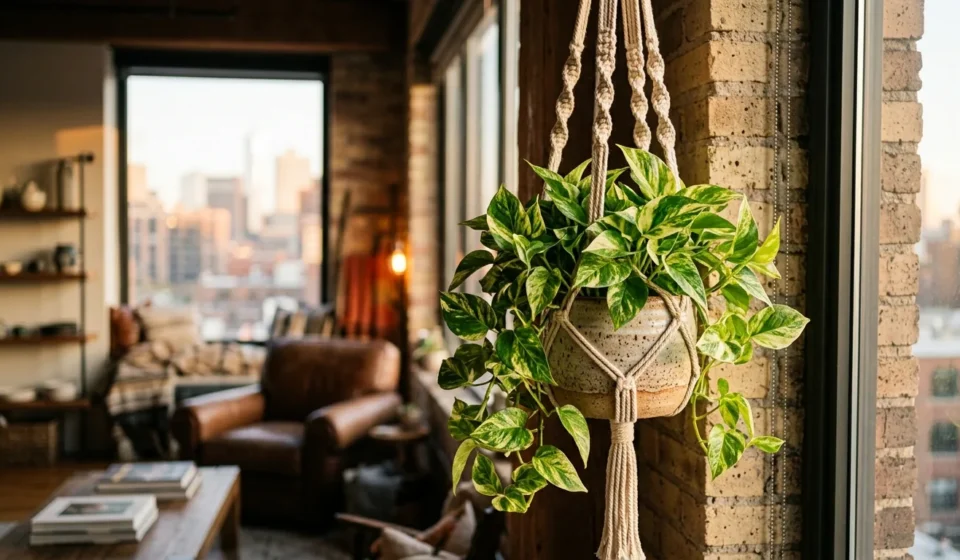
Hanging Plant Care Made Easy

Introduction to Hanging Plant Care
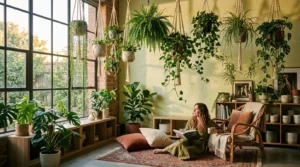
Imagine walking into a room filled with lush, green hanging plants, their leaves trailing down towards the floor. It’s a beautiful sight, and one that can be easily achieved with the right care and attention. As a houseplant expert, I’ve seen many people struggle to keep their hanging plants healthy, but with a few simple tips and tricks, you can enjoy the beauty of these plants all year round.
Table Of Content
- Introduction to Hanging Plant Care
- Lighting Requirements for Hanging Plants
- Watering Hanging Plants
- Fertilization and Pruning
- Common Mistakes to Avoid
- Conclusion and Final Tips
- Frequently Asked Questions
- What are the lighting requirements for hanging plants?
- How often should I water my hanging plants?
- Why is fertilization important for hanging plants?
- How do I prune my hanging plants?
- What are some common mistakes to avoid when caring for hanging plants?
For example, imagine this situation: you’ve just brought home a beautiful hanging plant, and you’re excited to show it off to your friends and family. But what would you do in this situation if you started to notice that the leaves were turning yellow and the plant was starting to wilt? Would you know how to save it? That’s where this guide comes in – to provide you with the knowledge and skills you need to keep your hanging plants healthy and thriving.
So far, we’ve established that hanging plants can be a beautiful addition to any room, but they do require some special care. In my opinion, the key to keeping hanging plants healthy is to understand their specific needs and to provide them with the right environment. This includes the right amount of light, water, and nutrients, as well as regular pruning and maintenance.
Lighting Requirements for Hanging Plants
When it comes to lighting, hanging plants have different requirements than other houseplants. Because they are suspended in the air, they often receive more indirect light than direct light. However, some hanging plants, such as ferns and English ivy, can tolerate low light conditions, while others, such as flowering plants, require bright indirect light to bloom.
To determine the lighting requirements for your hanging plant, you’ll need to research the specific needs of the plant species. For example, the Snake Plant ‘Laurentii’ can thrive in low light conditions, while the Monstera deliciosa requires bright indirect light to produce its beautiful, glossy leaves.
Here are some general guidelines for lighting requirements:
- Bright indirect light: East- or west-facing windows, or 1-2 feet away from a south-facing window
- Medium light: 2-3 feet away from a south-facing window, or in a room with a skylight
- Low light: North-facing windows, or in a room with limited natural light
Watering Hanging Plants
Watering hanging plants can be a bit tricky, as they are more prone to drying out than other houseplants. This is because the soil in hanging baskets can dry out quickly, especially if the plants are exposed to air currents or direct sunlight.
To water your hanging plants correctly, you’ll need to check the soil moisture regularly. You can do this by sticking your finger into the soil up to the first knuckle – if the soil feels dry, it’s time to water. Water your hanging plants thoroughly, making sure to get all of the soil moist, but avoid overwatering, which can lead to root rot and other problems.
Here are some general guidelines for watering hanging plants:
- Water every 7-10 days in the summer, when the plants are actively growing
- Water every 4-6 weeks in the winter, when the plants are dormant
Fertilization and Pruning
Fertilization is an important part of hanging plant care, as it provides the plants with the nutrients they need to grow and thrive. You can use a balanced fertilizer, such as a 10-10-10 fertilizer, and apply it to the plants every 4-6 weeks during the growing season.
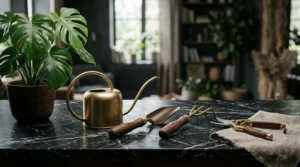
Pruning is also an important part of hanging plant care, as it helps to keep the plants looking their best and prevents them from becoming leggy or overgrown. You can prune your hanging plants regularly, using a pair of clean scissors or pruning shears to remove any dead or damaged leaves or stems.
Here are some tips for fertilizing and pruning hanging plants:
- Use a balanced fertilizer to provide the plants with the nutrients they need
- Prune the plants regularly to keep them looking their best and prevent them from becoming leggy or overgrown
Common Mistakes to Avoid
When it comes to hanging plant care, there are several common mistakes to avoid. These include:
- Overwatering, which can lead to root rot and other problems
- Underwatering, which can cause the plants to become stressed and susceptible to disease
- Not providing enough light, which can cause the plants to become leggy or weak
To avoid these mistakes, make sure to research the specific needs of your hanging plants and provide them with the right environment. This includes the right amount of light, water, and nutrients, as well as regular pruning and maintenance.
Conclusion and Final Tips
In conclusion, hanging plant care is not difficult, but it does require some special attention and care. By providing your hanging plants with the right environment, including the right amount of light, water, and nutrients, you can enjoy the beauty of these plants all year round.
So, what to do this week? Take a closer look at your hanging plants and make sure they are receiving the right amount of light and water. Fertilize them with a balanced fertilizer, and prune them regularly to keep them looking their best. With a little practice and patience, you can become a hanging plant expert and enjoy the beauty of these plants for years to come.
Let me add something here – hanging plants are a great way to add some greenery to your home or office, and they can be a fun and rewarding hobby. So, don’t be afraid to experiment and try new things – and don’t hesitate to reach out if you have any questions or need further guidance.
Frequently Asked Questions
What are the lighting requirements for hanging plants?
Hanging plants have different lighting requirements, with some plants like ferns and English ivy tolerating low light conditions, while others like flowering plants require bright indirect light to bloom. To determine the lighting requirements for your hanging plant, research the specific needs of the plant species. General guidelines include bright indirect light for east- or west-facing windows, medium light for 2-3 feet away from a south-facing window, and low light for north-facing windows or rooms with limited natural light.
How often should I water my hanging plants?
Watering hanging plants can be tricky, as they are more prone to drying out than other houseplants. Check the soil moisture regularly by sticking your finger into the soil up to the first knuckle, and water thoroughly when the soil feels dry. Water every 7-10 days in the summer and every 4-6 weeks in the winter, avoiding overwatering which can lead to root rot and other problems.
Why is fertilization important for hanging plants?
Fertilization is crucial for hanging plants as it provides them with the necessary nutrients to grow and thrive. Use a balanced fertilizer, such as a 10-10-10 fertilizer, and apply it to the plants every 4-6 weeks during the growing season. This will help promote healthy growth, prevent nutrient deficiencies, and maintain the overall well-being of your hanging plants.
How do I prune my hanging plants?
Pruning is essential for maintaining the appearance and health of your hanging plants. Use clean scissors or pruning shears to remove any dead or damaged leaves or stems, and prune regularly to prevent the plants from becoming leggy or overgrown. Pruning also helps to encourage new growth, promote bushy foliage, and maintain the plant's natural shape.
What are some common mistakes to avoid when caring for hanging plants?
Common mistakes to avoid when caring for hanging plants include overwatering, underwatering, and providing inadequate lighting. Avoid placing plants in areas with extreme temperatures, drafts, or direct sunlight, and make sure to fertilize and prune regularly. By avoiding these common mistakes, you can help ensure your hanging plants remain healthy, thrive, and continue to add beauty and freshness to your space.