Brighten Up Your Bedroom: The Best Houseplants for a Restful Sleep

Introduction to Bedroom Houseplants
Imagine falling asleep surrounded by the soothing scent of lavender and waking up to the gentle glow of a peaceful morning light, all thanks to the perfect houseplants in your bedroom. You’re not alone in seeking a restful sleep, and the right plants can make all the difference. As someone who’s struggled with sleep, I can attest to the positive impact of having the right plants in my bedroom. For example, imagine this situation: you’ve had a long day, and as you enter your bedroom, you’re greeted by the calming presence of a Snake Plant, its leaves gently swaying in the breeze. It’s a small moment, but it sets the tone for a restful night’s sleep.
Table Of Content
- Introduction to Bedroom Houseplants
- Benefits of Bedroom Houseplants
- Caring for Your Bedroom Houseplants
- Common Mistakes to Avoid
- Creating a Peaceful Bedroom Oasis
- Quick Tips for a Restful Sleep
- Conclusion
- Frequently Asked Questions
- What are the benefits of having houseplants in your bedroom?
- Which houseplants are best for a restful sleep?
- How do I care for my bedroom houseplants?
- What are some common mistakes to avoid when caring for bedroom houseplants?
- How can I create a peaceful bedroom oasis with houseplants?
But what would you do in this situation? Would you know which plants to choose, how to care for them, and how to create a peaceful atmosphere in your bedroom? That’s where this guide comes in – to help you choose the best houseplants for a restful sleep and provide you with practical tips on how to care for them.
Benefits of Bedroom Houseplants
Honestly, the benefits of having houseplants in your bedroom go beyond just aesthetics. They can help purify the air, reduce stress, and even improve the quality of your sleep. Let me add something here: I’ve found that having plants in my bedroom has not only improved my sleep but also boosted my mood and energy levels. In my opinion, it’s worth considering the type of plants you choose, as some are more effective at promoting relaxation than others.
So, which plants are the best for a restful sleep? Based on my experience, I recommend the following:
- Lavender Plant: known for its calming scent and ability to reduce stress and anxiety
- Peace Lily: effective at purifying the air and promoting a sense of calm
- Snake Plant: low-maintenance and great at removing toxins from the air
Caring for Your Bedroom Houseplants
To keep your bedroom houseplants happy and thriving, you’ll need to provide them with the right care. This includes watering them correctly, providing the right amount of light, and using a well-draining soil mix. But what does that mean, exactly? Well, watering your plants when the top 2 inches of soil are dry, providing bright indirect light, and using a soil mix that includes perlite and orchid bark can make all the difference.
For example, if you have a Snake Plant, you can water it every 7-10 days, depending on the humidity and temperature of your bedroom. You can also fertilize it with a balanced 10-10-10 fertilizer every 4 weeks during the growing season. To be fair, it’s not rocket science, but it does require some attention and care.
Common Mistakes to Avoid
But what would you do if you noticed your plants were struggling? Perhaps you’re overwatering or underwatering them, or maybe you’re not providing enough light. Honestly, it’s easy to make mistakes, but the key is to learn from them and adjust your care routine accordingly. Here are some common mistakes to avoid:
- Overwatering: can lead to root rot and other problems
- Underwatering: can cause stress and reduce plant growth
- Insufficient light: can affect plant health and development
Creating a Peaceful Bedroom Oasis
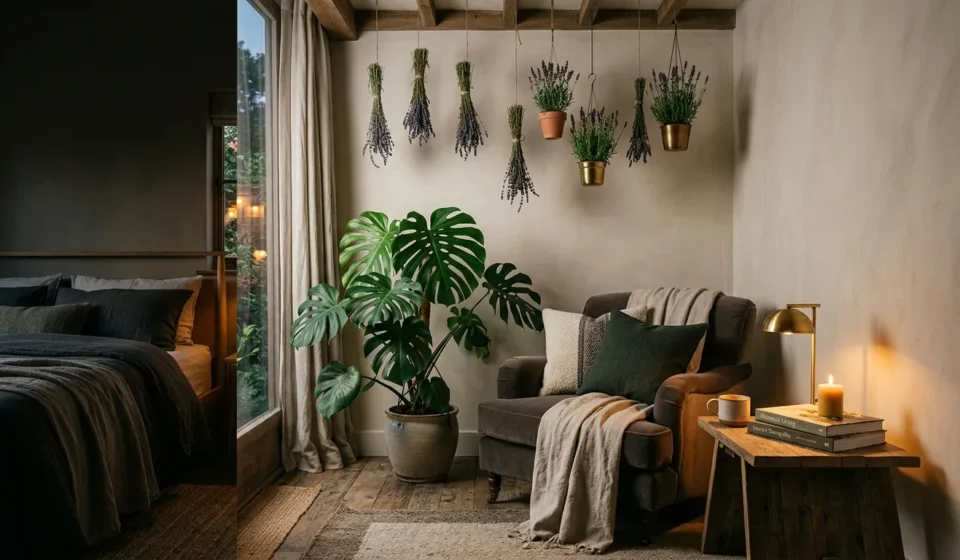
Now that you’ve chosen the perfect houseplants for your bedroom, it’s time to create a peaceful oasis. This can be as simple as adding a few decorative elements, such as a self-watering pot or a moisture meter, to help you care for your plants. You can also consider using essential oils or calming scents to promote relaxation and reduce stress.
For example, you can place a Lavender Plant on your bedside table, or add a few drops of lavender essential oil to your diffuser. You can also use a white noise machine or a calming app to create a soothing atmosphere. Honestly, the possibilities are endless, and it’s up to you to create a space that promotes relaxation and restful sleep.
Quick Tips for a Restful Sleep
So, what can you do this week to create a more peaceful bedroom oasis? Here are a few quick tips:
- Choose a low-maintenance plant, such as a Snake Plant or a ZZ Plant
- Use a self-watering pot to reduce watering frequency
- Add a few drops of calming essential oils to your diffuser
Conclusion
In conclusion, creating a peaceful bedroom oasis with the right houseplants can make all the difference in promoting a restful sleep. By choosing the right plants, providing the right care, and creating a soothing atmosphere, you can improve the quality of your sleep and wake up feeling refreshed and rejuvenated. So, take the first step today and start creating your own peaceful bedroom oasis – your body and mind will thank you.
Frequently Asked Questions
What are the benefits of having houseplants in your bedroom?
Having houseplants in your bedroom can help purify the air, reduce stress, and even improve the quality of your sleep. They can also boost your mood and energy levels, creating a peaceful atmosphere that promotes relaxation and restful sleep. Some plants, like Lavender and Peace Lily, are particularly effective at promoting relaxation and reducing anxiety.
Which houseplants are best for a restful sleep?
Some of the best houseplants for a restful sleep include Lavender, Peace Lily, and Snake Plant. These plants are known for their calming scents, air-purifying abilities, and low-maintenance requirements, making them perfect for creating a peaceful bedroom oasis. They can help reduce stress and anxiety, promoting a restful and rejuvenating sleep.
How do I care for my bedroom houseplants?
To keep your bedroom houseplants happy and thriving, you'll need to provide them with the right care. This includes watering them correctly, providing the right amount of light, and using a well-draining soil mix. Water your plants when the top 2 inches of soil are dry, provide bright indirect light, and use a soil mix that includes perlite and orchid bark. You can also fertilize your plants with a balanced fertilizer every 4 weeks during the growing season.
What are some common mistakes to avoid when caring for bedroom houseplants?
Some common mistakes to avoid when caring for bedroom houseplants include overwatering, underwatering, and insufficient light. Overwatering can lead to root rot and other problems, while underwatering can cause stress and reduce plant growth. Insufficient light can affect plant health and development, so make sure to provide your plants with the right amount of light and adjust your care routine accordingly.
How can I create a peaceful bedroom oasis with houseplants?
To create a peaceful bedroom oasis with houseplants, you can add a few decorative elements, such as a self-watering pot or a moisture meter, to help you care for your plants. You can also consider using essential oils or calming scents to promote relaxation and reduce stress. Place a Lavender Plant on your bedside table, or add a few drops of lavender essential oil to your diffuser to create a soothing atmosphere. You can also use a white noise machine or a calming app to create a peaceful ambiance.