Propagate Succulents Like a Pro: Your Step-by-Step Guide

Have you ever looked at your favorite succulent and wished you had a dozen more just like it? Or maybe you’ve got a leggy plant crying out for a fresh start? Well, you’re in luck! Propagating succulents isn’t just easy, it’s incredibly rewarding. Imagine turning one beautiful plant into a whole collection, sharing them with friends, or simply filling your home with more of that vibrant, low-maintenance greenery. It truly transforms your plant parenting experience!
Table Of Content
- Getting Started: Choosing Your Propagation Method
- Leaf Cuttings: The Patient Way to Many Babies
- Stem Cuttings: Quick Wins for Leggy Plants
- The Crucial Step: Callousing Your Cuttings
- Planting Your Baby Succulents: Creating the Perfect Home
- The Perfect Soil Mix & Pots
- How to Plant Your Cuttings
- Nurturing Your New Succulent Babies: Light, Water & Patience
- The Right Light & Watering Schedule
- The Virtue of Patience
- Common Propagation Pitfalls & How to Avoid Them
- Quick “What to Do This Week” Takeaway
- Frequently Asked Questions
- What are the two main methods for propagating succulents?
- How do I take a leaf cutting from a succulent?
- What is callousing and why is it important for succulent propagation?
- How long does it take for succulent cuttings to callous?
- Can I use stem cuttings to prune and rejuvenate my succulent plant?
As an experienced indoor gardener, I’ve propagated countless succulents – from tiny Echeveria leaves to chunky Crassula stems. It always feels like a little bit of magic, seeing those tiny roots and new leaves emerge. And honestly, it’s far less intimidating than it sounds. This guide is designed to walk you through every single step, ensuring you have the easiest, most reliable advice right at your fingertips. Let’s create some new plant babies together!
Getting Started: Choosing Your Propagation Method
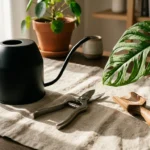
The first step to successful succulent propagation is deciding whether you’ll use leaves or stems. Both methods work wonderfully, but some succulents respond better to one over the other, and your goal might dictate your choice. You’ll need clean, sharp scissors or a knife for stem cuttings, and your hands will work perfectly for leaves.
Leaf Cuttings: The Patient Way to Many Babies
Leaf propagation is fantastic for many rosette-forming succulents like Echeveria, Sedum (like ‘Autumn Joy’), and Graptopetalum. It’s a slower process, but you can get multiple “pups” (baby plants) from a single leaf! To take a leaf cutting, gently twist a healthy, mature leaf from the stem. The key here is to get the entire leaf, including the little base that attaches it to the stem. If you leave part of it behind, it’s less likely to root. A clean snap is better than a ragged break.
In my opinion, the best leaves are plump and firm, taken from the middle or lower part of the plant. Avoid any that look shriveled, damaged, or mushy. You want to give your new babies the best possible start, don’t you?
Stem Cuttings: Quick Wins for Leggy Plants
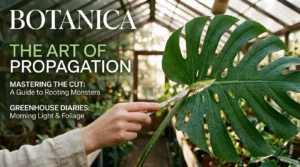
Stem propagation is ideal for succulents that tend to grow taller and become leggy (meaning they’ve stretched out, often due to insufficient light, with large gaps between leaves). This method works brilliantly for plants like Crassula ovata (Jade Plant), Kalanchoe species, and many Monstera deliciosa or Pothos varieties (though not strictly succulents, the principle is similar). Using clean, sharp scissors or a sterilized knife, cut a section of stem that’s at least 2-4 inches long and has a few leaves attached. Remove any leaves from the bottom inch or two of the cutting; this is where new roots will form.
For example, imagine you have a Jade Plant that’s gotten a bit gangly and top-heavy. Taking a few stem cuttings isn’t just propagating; it’s also a fantastic way to prune and rejuvenate your mother plant, encouraging bushier growth. It’s a win-win!
The Crucial Step: Callousing Your Cuttings
So far we’ve covered how to get your cuttings. Now let’s get to the really critical point: callousing. This step is non-negotiable for succulent propagation. What exactly is callousing? It’s simply allowing the cut end of your leaf or stem to dry out and form a protective scab or callus. This seal prevents bacteria and fungi from entering the plant tissue once it’s introduced to moisture, which is the primary cause of rot.
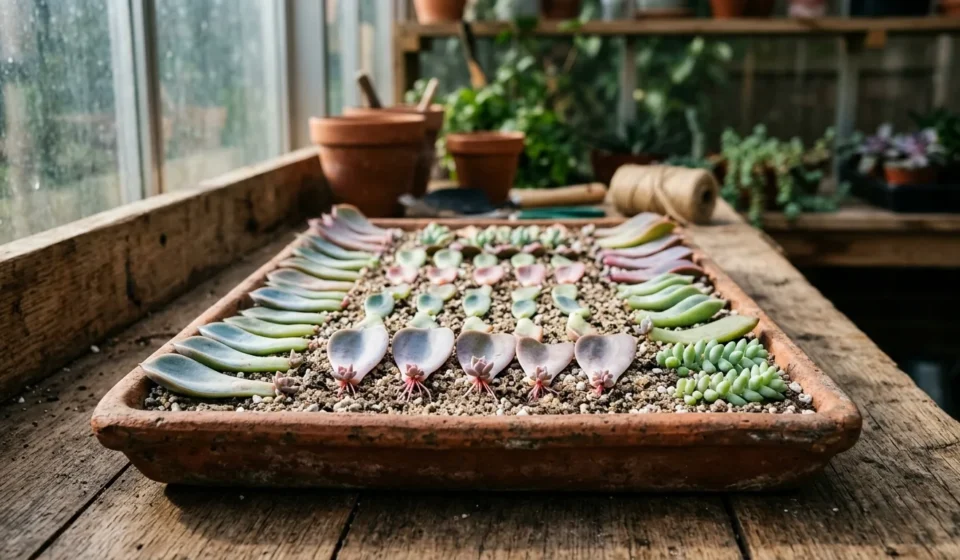
To callous your cuttings, simply lay them on a dry surface – a clean tray, a paper plate, or even directly on some dry soil – in a warm spot with bright indirect light. bright indirect light means plenty of light, but not direct sun which can scorch the delicate cuttings. Think of a bright room near a window, but not right in the windowsill where the sun beams down all day. Leave them undisturbed for a few days to a week. Thicker stem cuttings might need longer, sometimes up to two weeks, while thin leaves might be ready in 3-5 days. You’ll know they’re ready when the cut end looks dry and sealed, not wet or fresh.
But what would you do in this situation if you skipped this step? Honestly, you’d likely end up with rotting cuttings, which is incredibly frustrating after all your effort. Based on my experience, patience during the callousing phase pays off tenfold in successful rooting.
Planting Your Baby Succulents: Creating the Perfect Home
Once your cuttings are nicely calloused, it’s time to give them a place to grow roots. This stage is all about providing the right foundation.
The Perfect Soil Mix & Pots
Succulents absolutely hate sitting in soggy soil, so a well-draining soil mix is paramount. This isn’t just regular potting soil; it’s a specialized blend that allows water to pass through quickly, preventing root rot. A great DIY recipe for propagating (and growing) succulents is 50% regular potting mix mixed with 50% perlite, coarse sand, or pumice. This combination ensures excellent aeration and drainage.
For pots, always choose containers with drainage holes. Small terracotta pots are excellent because they’re porous and help dry out the soil faster. For leaf propagations, a shallow tray filled with your gritty soil mix works perfectly, as you’ll be laying the leaves on top.
How to Plant Your Cuttings
- For Leaf Cuttings: Simply lay the calloused leaves flat on top of your prepared soil mix. Don’t bury them! The new roots and pups will emerge from the calloused end and find their way into the soil. You can gently mist the soil around them (not the leaves themselves) every few days, but don’t drench them.
- For Stem Cuttings: Gently insert the calloused end of the stem about an inch deep into the soil mix. You can use your finger or a chopstick to make a small hole first. Gently firm the soil around the base to keep it upright. For the first week or so, avoid watering. Let the cutting focus on developing roots in search of moisture.
Nurturing Your New Succulent Babies: Light, Water & Patience
This is where the magic happens, but it requires a bit of patience and the right environmental conditions. Think of yourself as a plant midwife, guiding these little ones into existence!
The Right Light & Watering Schedule
Both leaf and stem propagations need bright indirect light to thrive. This means a spot that receives plenty of ambient light throughout the day, but no harsh, direct sun exposure, which can scorch tender new growth. An east-facing window is often ideal, or a few feet back from a south or west-facing window.
When it comes to watering, less is definitely more, especially for new propagations. For stem cuttings, wait at least a week after planting before your first light watering. Then, water sparingly when the top 2 inches of soil are completely dry. This usually means every 7-10 days, but always check the soil moisture with your finger before watering. For leaf cuttings, once you see roots and tiny pups forming (this can take weeks!), you can start to lightly mist the soil around them every few days or water a tiny bit when the soil is bone dry.
Remember, overwatering is the number one killer of succulents, especially babies. Their tiny root systems can easily rot if the soil stays wet for too long. You’re aiming for consistently dry between infrequent waterings.
The Virtue of Patience
Propagation isn’t a race; it’s a marathon. Leaf cuttings can take anywhere from a few weeks to a couple of months to show roots and tiny pups. Stem cuttings are generally faster, often showing roots within 2-4 weeks. Don’t be discouraged if you don’t see immediate results. Just keep them in their ideal light, water judiciously, and trust the process. Once your leaf pups are a decent size (say, an inch or two across) and the mother leaf has shriveled up and fallen off, you can gently pot them into their own small pots with well-draining succulent soil.
Common Propagation Pitfalls & How to Avoid Them
Even with the best intentions, things can sometimes go awry. Here are the most common mistakes I’ve seen and how to steer clear of them:
- Skipping the Callousing Step: As we discussed, this is a recipe for rot. Always let your cuttings dry out for several days.
- Overwatering: This is the single biggest mistake. Succulents store water in their leaves and stems, so they don’t need frequent watering. Always let the soil dry out completely between waterings. If in doubt, wait another day.
- Not Enough Light: While direct sun can scorch, too little light will result in weak, stretched-out (leggy) growth in your new pups. Aim for bright indirect light.
- Using the Wrong Soil: Standard potting soil holds too much moisture for succulents. Invest in a specific succulent/cactus mix or amend your regular potting soil with perlite or pumice.
- Impatience: It takes time for roots and new growth to appear. Don’t constantly dig up your cuttings to check for roots! Leave them be and observe from above.
To be fair, we’ve all made these mistakes when starting out. The good news is, once you know what to avoid, your success rate will skyrocket!
Quick “What to Do This Week” Takeaway
- Choose & Cut: Select healthy leaves or stems from your desired succulent.
- Callous: Lay cuttings on a dry surface in bright indirect light for 3-14 days until the cut end is dry.
- Plant: Place calloused leaves on top of a well-draining succulent soil mix, or insert stem cuttings an inch deep.
- Water Sparingly: Wait a week after planting stem cuttings before the first light water. For leaves, mist soil lightly only after roots appear. For both, water only when soil is completely dry.
- Provide Light: Keep your propagations in bright indirect light.
Propagating succulents is one of the most satisfying aspects of indoor gardening. It’s an incredible way to expand your collection, save money, and share the joy of plants with others. By following these straightforward steps, you’ll be well on your way to a thriving succulent nursery right in your own home. Don’t be afraid to experiment with different varieties; you’ll soon discover just how easy and fun it is to multiply your green friends. Happy propagating!
Frequently Asked Questions
What are the two main methods for propagating succulents?
The two main methods for propagating succulents are leaf cuttings and stem cuttings. Leaf propagation is fantastic for many rosette-forming succulents, while stem propagation is ideal for succulents that tend to grow taller and become leggy. Both methods have their own advantages and can be used to create new plant babies.
How do I take a leaf cutting from a succulent?
To take a leaf cutting, gently twist a healthy, mature leaf from the stem, making sure to get the entire leaf, including the little base that attaches it to the stem. Avoid leaving part of the leaf behind, as this can reduce the chances of successful rooting. It's also best to choose plump and firm leaves from the middle or lower part of the plant.
What is callousing and why is it important for succulent propagation?
Callousing is the process of allowing the cut end of a leaf or stem to dry out and form a protective scab or callus. This step is crucial for succulent propagation, as it prevents bacteria and fungi from entering the plant tissue and causing rot. By callousing your cuttings, you can increase the chances of successful rooting and reduce the risk of disease.
How long does it take for succulent cuttings to callous?
The time it takes for succulent cuttings to callous can vary depending on the thickness of the cutting and the conditions they are kept in. Thicker stem cuttings may need longer, sometimes up to two weeks, while thin leaves might be ready in 3-5 days. It's best to leave them undisturbed in a warm spot with bright indirect light until they have formed a protective callus.
Can I use stem cuttings to prune and rejuvenate my succulent plant?
Yes, taking stem cuttings can be a great way to prune and rejuvenate your succulent plant, especially if it has become leggy or top-heavy. By removing a section of stem, you can encourage bushier growth and create a fuller, healthier plant. This method is particularly effective for plants like Jade Plants and Kalanchoe species.