
Quick answer: The best houseplants for a bedroom are hard-to-kill species that tolerate lower light and actively purify indoor air, such as the Snake Plant (Sansevieria trifasciata), ZZ Plant (Zamioculcas zamiifolia), Golden Pothos (Epipremnum aureum), and Parlor Palm (Chamaedorea elegans). Focus on well-draining soil mixes, avoid overwatering, and keep foliage dust-free to maximize air purification while you sleep.
How Bedroom Plants Improve Your Nightly Sleep
Modern bedrooms often trap volatile organic compounds (VOCs) like formaldehyde, benzene, and toluene emitted from furniture, carpet adhesives, and wall paint. Research originally conducted by NASA demonstrates that specific indoor foliage absorbs these airborne toxins through microscopic leaf pores (stomata) while simultaneously filtering dust particles. Elevating indoor air quality lowers nighttime respiratory irritation, reducing tossed-and-turned nights caused by dry sinuses or stuffy breathing.
Beyond chemical filtration, plants release moisture vapor through transpiration, naturally maintaining ambient indoor humidity between 40% and 60%. This modest humidity bump prevents dry throat conditions in air-conditioned or artificially heated bedrooms. Furthermore, psychological studies consistently reveal that viewing green foliage lowers cortisol (stress hormone) levels and slows heart rates, signalling to your nervous system that it is time to unwind for sleep.
While standard photosynthesis pauses in the dark, select succulents like the snake plant utilize Crassulacean Acid Metabolism (CAM). This special metabolic pathway allows them to take up carbon dioxide and release fresh oxygen continuously throughout the night, boosting oxygen levels right beside your nightstand.
Top Low-Maintenance Plants for Bedroom Sanctuaries
Selecting the right foliage depends on your bedroom's lighting layout, layout space, and whether you share your home with curious pets. Here are the most reliable, sleep-enhancing plants that thrive indoors with minimal intervention. If you're decorating other rooms too, our living room plant ideas guide covers picks for larger, brighter spaces.
1. Snake Plant (Sansevieria trifasciata / Dracaena trifasciata)
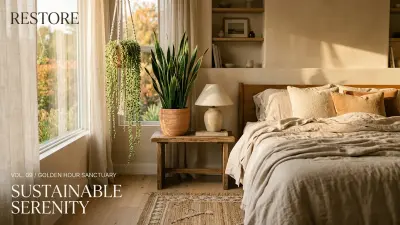
The Snake Plant stands as the undisputed champion of nightstand greenery. Featuring upright, sword-like leaves with striking yellow margins (especially in the 'Laurentii' cultivar), this tough plant tolerates extreme neglect and dark corners effortlessly. Because it converts carbon dioxide into oxygen overnight, keeping one within six feet of your bed creates an optimal micro-climate for deep breathing.
Care parameters for the Snake Plant are incredibly straightforward:
- Light Needs: Low to bright indirect light (50 to 500 foot-candles / 500–5,000 lux). Tolerates windowless rooms with ambient lighting.
- Watering Schedule: Allow the soil to dry out 100% between waterings. Water roughly every 3 to 4 weeks in spring/summer, and every 6 weeks in winter.
- Ideal Soil Recipe: 50% standard potted soil, 30% perlite, and 20% coarse builder's sand or orchid bark for rapid drainage.
- Pet Safety: Toxic to cats and dogs if chewed (contains saponins according to the ASPCA Toxic Plant List). Keep on raised dressers if pets browse foliage.
2. ZZ Plant (Zamioculcas zamiifolia)
Boasting glossy, emerald-green leaflets along thick arching stems, the ZZ Plant brings a polished, contemporary look to nightstands and dressers. It stores water inside subterranean potato-like structures called rhizomes, making it virtually immune to accidental under-watering. It effectively extracts airborne pollutants like xylene and ethylbenzene, keeping your bedroom environment cleaner.
Provide your ZZ Plant with bright indirect light for rapid growth, though it comfortably survives under standard overhead light fixtures in low-light bedrooms. Water only when the top 3 inches of soil feel bone-dry to the touch. Keep ambient room temperatures between 65°F and 75°F (18°C–24°C) and avoid placing it near cold window drafts or air conditioning vents.

3. Golden Pothos (Epipremnum aureum)
If you enjoy cascading greenery on high bedroom shelves, hanging planters, or wardrobe tops, Golden Pothos is an exceptional choice. Heart-shaped leaves variegated with cream and gold soften hard architectural edges in your room. Pothos acts as a workhorse air purifier, actively removing formaldehyde off-gassed by wooden furniture frames and foam mattresses.
Propagating Pothos is seamless: cut a 4-inch stem segment just below a leaf node and submerge it in clean water. Within two weeks, fresh roots appear, providing you with free new plants to expand your home jungle or share with friends. Pothos foliage droops slightly when thirsty, taking all guesswork out of your maintenance schedule.
4. Peace Lily (Spathiphyllum wallisii)
For bedrooms with soft, indirect lighting, the Peace Lily delivers rich dark leaves paired with elegant white blooms (known as spathes). Peace Lilies excel at raising local humidity and capturing airborne mold spores. They require slightly more moisture than succulents, thriving when the top inch of soil is dry. Use filtered or sit-out tap water, as chlorine and fluoride can cause leaf tips to turn brown.
Plant parent tip: If your Peace Lily or Pothos develops yellow leaves, stop watering immediately! Yellowing foliage on bedroom plants almost always signals root suffocation from soggy soil rather than underwatering. Check that your pots have drainage holes, and switch to a chunky pot mix containing 30% perlite to prevent root rot.
Comparing Ideal Bedroom Houseplants
Review this comparison guide to choose the ideal plant tailored to your bedroom environment and lifestyle constraints:
| Plant Species | Light Requirement | Watering Frequency | Toxicity (ASPCA) | Best Placement |
|---|---|---|---|---|
| Snake Plant | Low to Bright Indirect | Every 3–4 weeks | Toxic to pets | Bedside table / Nightstand |
| ZZ Plant | Low to Medium Indirect | Every 3–5 weeks | Toxic to pets | Dresser / Dark corners |
| Golden Pothos | Medium Indirect | Every 7–10 days | Toxic to pets | High shelves / Hanging pots |
| Peace Lily | Medium to Low Indirect | Every 5–7 days | Toxic to pets | Low stool / Near window side |
| Parlor Palm | Bright to Medium Indirect | Every 7–12 days | Non-Toxic | Floor planter / Bedroom corner |
Creating the Ultimate Bedroom Plant Care Routine
Maintaining vibrant bedroom plants requires far less time than most beginners imagine. By establishing proper baseline conditions from day one, you prevent common culture issues before they start.
Mastering Bedroom Light Levels
Most bedroom windows covered by sheer curtains provide perfect "bright indirect light" (roughly 200–500 foot-candles). East-facing windows provide gentle morning light that almost all plants love. North-facing windows offer low light suitable for Snake Plants and ZZ Plants. For west or south-facing windows with direct afternoon sun rays, set plants back 3 to 5 feet from the glass to prevent scorching leaf surfaces.
Proper Soil Mixes and Potting Containers
Standard dense potting soil retains far too much water for low-light bedroom settings, leading directly to anaerobic soil and fungal pests like fungus gnats. Prepare a custom, fast-draining potting mix using this tested formula:
- 50% High-quality organic potting soil
- 30% Perlite or coarse pumice (for aeration)
- 20% Orchid bark (to retain structural air pockets)
Always utilize pots with functional bottom drainage holes. When repotting, select a container only 2 inches (5 cm) larger in diameter than the existing root ball. Oversized pots hold excess wet soil that roots cannot absorb quickly, leading directly to decay.
Fertilization and Dust Management
Because plants in low-light bedroom environments grow at a moderate pace, heavy fertilizing is unnecessary and harmful. Apply a balanced liquid fertilizer (such as a 10-10-10 or 20-20-20 NPK formula) diluted to half strength once every 4 to 6 weeks only during active spring and summer growth. Completely stop fertilizing during autumn and winter when plant growth naturally slows.
In enclosed spaces, dust gradually accumulates on smooth plant leaves, blocking sunlight and reducing oxygen production. Every two weeks, gently wipe leaves using a damp micro-fiber cloth. This simple routine keeps plants looking glossy, optimizes photosynthesis, and reduces indoor allergen accumulation across your sleeping sanctuary.
For more detailed step-by-step advice on maintaining healthy indoor soil and treating unwanted pests naturally, check out our comprehensive guides on indoor plant care, effective pest management solutions, and low-light foliage selection.
Common Mistakes to Avoid in Bedroom Plant Care
Even well-intentioned indoor gardeners encounter minor setbacks. Avoiding these three frequent mistakes will ensure your bedroom sanctuary stays lush year-round:
- Overwatering in Low Light: Plants situated in dim bedroom corners utilize water much slower than those sitting in sunny windows. Always test soil moisture with your finger or a reliable moisture meter before adding water. If the meter reads moist, wait another 3 to 5 days.
- Misting Foliage Excessively: Spraying water directly onto leaves inside cooler bedrooms creates stagnant moisture pockets, inviting bacterial leaf spot and powdery mildew. Instead, increase local humidity by grouping multiple plants together on a saucer lined with wet decorative pebbles.
- Ignoring Pot Drainage: Decorative cachepots without drainage holes trap standing water around root zones. Keep plants inside plastic nursery pots with bottom drainage, and slip them inside decorative pots. Empty excess runoff from decorative saucers 15 minutes after watering.
Your Actionable Next Steps This Week
If you are ready to build a tranquil, air-purifying bedroom space, start simple with a single 6-inch Snake Plant or ZZ Plant placed on your dresser or nightstand. Pick up a bag of potting mix, perlite, and a decorative planter featuring proper bottom drainage holes. Check your bedroom window orientation, place your plant where it receives gentle indirect light, and establish a simple routine of checking soil moisture once a week. You will quickly enjoy cleaner air, reduced stress, and a more serene environment every night.
Frequently Asked Questions
Is it safe to sleep with plants in your bedroom at night?
Yes, it is completely safe. While plants release small amounts of carbon dioxide at night during respiration, the volume is minuscule and poses zero risk to humans. In fact, CAM plants like the Snake Plant actively produce oxygen overnight, enhancing your sleeping environment.
How many houseplants should I put in my bedroom?
For noticeable air-purifying benefits without overwhelming your room or creation high maintenance routines, place 2 to 4 medium-sized houseplants in an average 12x12 foot bedroom. Start with one plant and gradually add more as you become comfortable with your care routine.
Which bedroom plant is safest if I have curious cats or dogs?
The Parlor Palm (Chamaedorea elegans), Peperomia species, and Boston Fern are completely non-toxic to cats and dogs according to the ASPCA. If you prefer Snake Plants or Pothos, place them high on floating shelves or wall brackets out of reach of your pets. For a complete roundup of safe options, see our full guide to pet-friendly plants.
Why are my bedroom plant leaves turning brown at the tips?
Brown leaf tips are usually caused by low ambient humidity, mineral buildup from tap water, or occasional underwatering. Switch to watering with filtered or standing rainwater, group humidity-loving plants together, and trim crisp brown edges carefully with sharp, sanitized pruning shears.
Sources
- ASPCA Toxic and Non-Toxic Plants List
- Missouri Botanical Garden Plant Finder & Care Database
- Royal Horticultural Society (RHS) Houseplant Care Guides