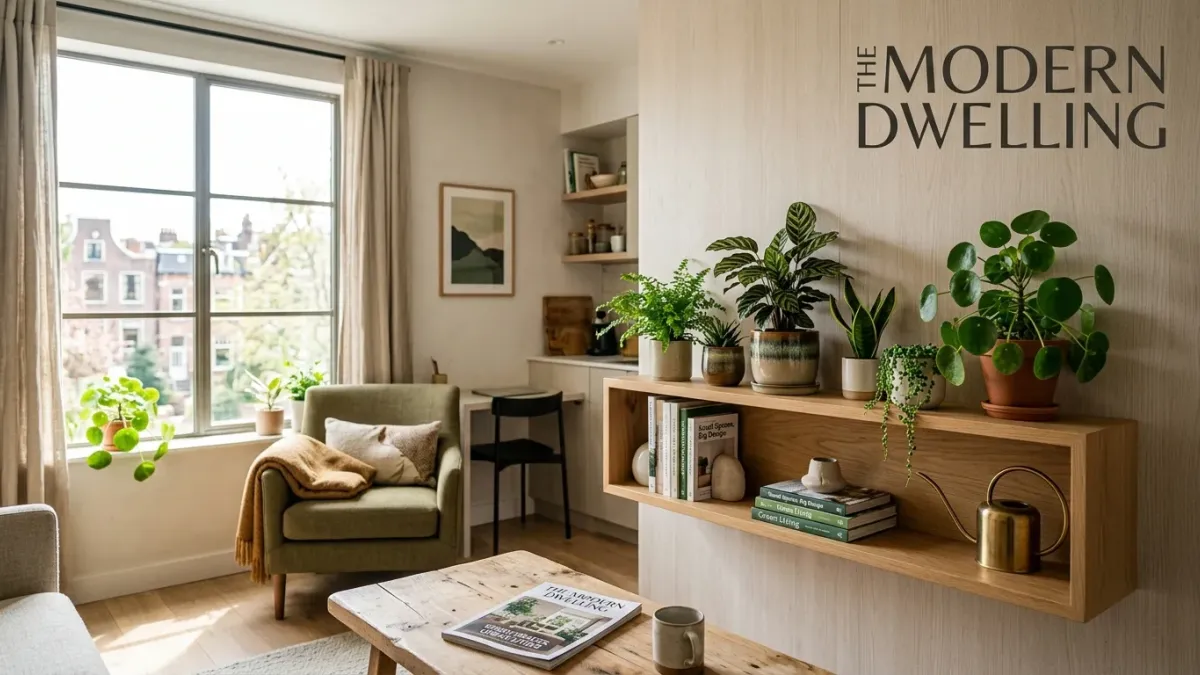
Living in a cozy apartment or working in a snug office doesn't mean you have to sacrifice the joy and beauty of indoor plants. In fact, embracing greenery in smaller spaces can dramatically enhance your environment, bringing a sense of calm and a refreshing touch of nature. The trick isn't to cram in giant plants, but to strategically choose and care for compact houseplants that thrive without demanding too much real estate.
The Small Space Advantage: Why Compact Plants Rule
When you're short on square footage, every inch counts. This is precisely why small apartment plants are your best friends. They offer all the benefits of their larger cousins—air purification, stress reduction, and aesthetic appeal—without overwhelming your living area. Imagine transforming a bland corner into a vibrant focal point, or adding a touch of green to your desk without clutter. Honestly, it’s about making smart choices, not settling for less.
Beyond their space-saving nature, these mini marvels are often easier to manage. Smaller pots mean less soil, which can sometimes translate to quicker drying and less risk of overwatering (though we'll dive into that common mistake later!). Plus, their manageable size makes them perfect for experimenting with different arrangements, whether you're creating a tiny urban jungle on a bookshelf or adding a subtle accent to your bathroom counter. It’s all about creating an inviting, breathable atmosphere.
Choosing Your Green Roommate: Top Compact Houseplant Picks
So, you're ready to bring some green into your miniature abode. But what are the absolute best mini houseplants that won't outgrow their welcome or demand constant attention? Based on my experience and countless success stories from fellow plant parents on Easy Houseplant Care, these varieties are fantastic starting points for anyone looking for easy care small plants.
When selecting your plant, always consider its mature size, not just its current nursery size. Many plants that look small initially can quickly become unruly if not pruned or chosen carefully. Look for cultivars specifically bred for compact growth, or naturally slow-growing species. Remember, the goal is thriving greenery, not a plant struggling to fit!
Our Top Compact Houseplant Recommendations (2026)
Here’s a quick guide to some of the most reliable and beautiful apartment friendly plants perfect for smaller settings:
- Snake Plant (Sansevieria trifasciata 'Laurentii' or 'Hahnii'): Known for its upright, sword-like leaves, the 'Laurentii' is tall and slender, perfect for tight corners. The 'Hahnii' bird's nest variety is truly tiny and cute. They are incredibly forgiving and tolerate a wide range of light conditions, from low to bright indirect light.
- ZZ Plant (Zamioculcas zamiifolia): With its waxy, dark green leaves, the ZZ plant is a drought-tolerant champion. It grows slowly and maintains a bushy, upright form, making it ideal for a desk or small side table. It thrives in medium to low light.
- Pothos (Epipremnum aureum): While Pothos can vine extensively, it’s easily prunable and looks fantastic trailing from a shelf or hanging basket. Varieties like 'Marble Queen' or 'Neon' add color. Provide bright indirect light for best variegation and water when the top inch of soil is dry.
- Peperomia (various species, e.g., Peperomia obtusifolia, Peperomia caperata): This genus offers a huge variety of leaf shapes, textures, and colors, all typically staying very small and compact. They prefer medium to bright indirect light and appreciate being watered when the top two inches of soil feel dry.
- Fittonia (Nerve Plant): These vibrant little plants are famous for their intricate, veined leaves in pink, red, or white. They stay very small and bushy, making them excellent for terrariums or humid spots. Fittonia loves bright, indirect light and consistent moisture.
- String of Pearls/Hearts (Senecio rowleyanus / Ceropegia woodii): These trailing succulents are perfect for hanging baskets or perching on a high shelf, letting their unique foliage cascade downwards. They need bright indirect light and infrequent watering, similar to cacti.
- Syngonium (Arrowhead Plant): Young Syngoniums are bushy and compact with beautifully shaped leaves. As they mature, they can vine, but are easily kept small with regular pruning. They appreciate medium to bright indirect light and consistent moisture.
Here’s a comparative look at some of these fantastic options:
| Plant Name | Max. Compact Size (Approx.) | Light Requirement | Watering Frequency | Special Notes |
|---|---|---|---|---|
| Snake Plant ('Hahnii') | 6-10 inches tall | Low to Bright Indirect | Every 2-4 weeks (when dry) | Extremely low maintenance, air purifying. |
| ZZ Plant | 1-2 feet tall/wide | Medium to Low | Every 3-4 weeks (when dry) | Drought-tolerant, shiny leaves. |
| Peperomia (e.g., 'Obtusifolia') | 6-12 inches tall/wide | Medium to Bright Indirect | Every 1-2 weeks (top 2" dry) | Many varieties, unique foliage. |
| Fittonia (Nerve Plant) | 4-6 inches tall/wide | Bright Indirect | Every 3-5 days (consistently moist) | Needs humidity, vibrant veins. |
| String of Pearls | Trails 1-3 feet | Bright Indirect | Every 2-3 weeks (soil dry) | Unique trailing succulent, prone to rot if overwatered. |
Smart Styling & Placement: Making the Most of Your Vertical and Horizontal Space
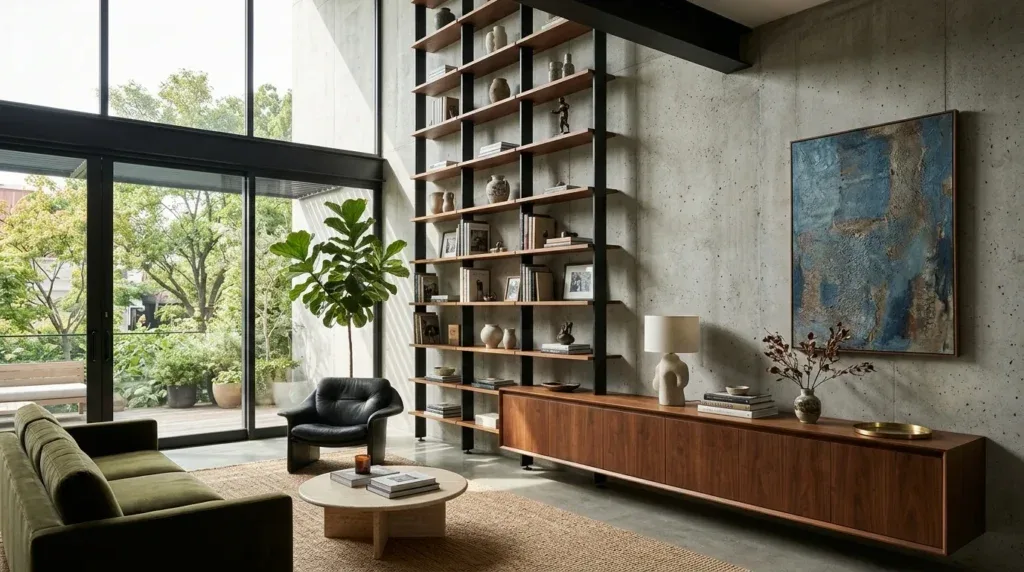
Maximizing greenery in a small apartment isn't just about plant choice; it's also about clever placement and styling. Think vertically! Walls and hanging spaces are often overlooked goldmines for plant placement. For example, imagine this situation: you have a tiny kitchen with no counter space, but there's a blank wall above the sink. A small floating shelf with a trailing Pothos or a couple of vibrant Peperomias can instantly add life without taking up valuable prep area. This is where vertical gardening for small spaces truly shines.
Creative Placement Ideas:
- Floating Shelves: Install a few narrow shelves on an empty wall. This creates dedicated plant zones that don't interfere with floor space.
- Hanging Planters: Macrame hangers or sleek self-watering pots suspended from the ceiling or wall hooks are perfect for trailing plants like Pothos, String of Hearts, or even a mini Monstera Adansonii.
- Tiered Plant Stands: These stands allow you to display multiple plants in a small footprint, ideal for creating a mini-jungle corner.
- Windowsills: The classic choice! Ensure your plants are getting the right amount of light here. Some plants might need protection from direct, harsh sun.
- Bookcases & Desks: Integrate smaller plants among your books or work essentials. A compact ZZ plant or a small Fittonia can brighten up any workspace.
When placing your plants, remember their specific light requirements. A plant that needs bright indirect light will be happiest near a north or east-facing window, or a few feet back from a south or west-facing one. Don't force a sun-lover into a dark corner, or vice versa. Good light is paramount for healthy growth, even for the most compact plant.
Keeping Them Happy: Essential Care for Your Compact Companions
Even though we're focusing on low-maintenance options, proper care is crucial for the longevity and vibrancy of your compact houseplants. The basics remain the same, but with smaller plants, there are a few nuances to keep in mind, especially regarding houseplant care for small apartments.
Watering Wisely:
Smaller pots tend to dry out faster than larger ones, but they also get waterlogged more easily if you overdo it. The golden rule: water when the top 1-2 inches of soil feel dry. Use a moisture meter for accuracy, or simply stick your finger in the soil. Always ensure your pots have drainage holes to prevent root rot. For instance, a snake plant might need water every 3-4 weeks, while a Fittonia could need it every 3-5 days. It varies greatly!
Feeding for Growth:
During the growing season (spring and summer), your plants will appreciate a little boost. Use a balanced liquid houseplant fertilizer (like a 10-10-10 or 20-20-20 formula) diluted to half or quarter strength, every 4-6 weeks. Smaller plants need less fertilizer than larger ones, so err on the side of caution to avoid nutrient burn. Always fertilize on damp soil, never dry.
Repotting & Pruning:
compact houseplants generally grow slower, so they won't need repotting as often. Repot only when you see roots growing out of the drainage holes or the plant appears stunted. When repotting, only go up one pot size (e.g., from a 4-inch to a 6-inch pot). Use a well-draining soil mix, which typically consists of standard potting mix amended with perlite or orchid bark to improve aeration and drainage. Pruning is also your friend for keeping plants compact; simply snip back any leggy growth or leaves that are extending too far.
Common Pitfalls to Avoid with Small Space Plants
Even with the best intentions, mistakes happen. Knowing what to watch out for can save your plant (and your sanity!).
What to Watch Out For:
- Overwatering Small Pots: This is probably the number one killer. Smaller soil volumes can quickly become waterlogged if you water too frequently or don't have adequate drainage. Always check the soil moisture before watering.
- Ignoring Light Needs: Just because a plant is small doesn't mean its light requirements diminish. A Fittonia crammed into a dark corner will quickly decline, no matter how small and cute it is.
- Forgetting About Humidity: Small spaces can sometimes be drier, especially with heating or air conditioning. Plants like Fittonia or certain Peperomias might appreciate a pebble tray or occasional misting.
- Over-Fertilizing: As mentioned, smaller plants need less. Too much fertilizer can burn their delicate roots.
- Neglecting Cleaning: Dust can accumulate quickly on leaves, especially in busy small spaces. Regularly wipe down leaves with a damp cloth to allow for better photosynthesis.
To be fair, managing plants in tight quarters means you need to be a bit more observant. But the payoff—a lush, vibrant space—is absolutely worth it. What would you do in this situation? If your plant starts looking droopy or discolored, don't panic! First, check your watering routine and light conditions, as these are almost always the culprits.
Quick "What to Do This Week" Takeaway:
This week, take a moment to assess the light conditions in your small spaces. Are your current or prospective plants getting the right amount of light? If not, consider rearranging or choosing a different plant. Also, check the soil moisture of your smallest potted plants – they might be drying out faster than you think!
Frequently Asked Questions
Which plants are best for low light small spaces?
For low-light small spaces, consider the Snake Plant 'Hahnii' (Bird's Nest type) or a ZZ Plant. Both are incredibly tolerant of low light and stay compact, making them perfect for dim corners or desks.
How can I make my small apartment look bigger with plants?
Utilize vertical space with hanging planters or floating shelves. Choose plants with an upright growth habit, like a slender snake plant, to draw the eye upwards. Grouping a few small plants can also create a lush focal point without cluttering.
Do compact plants need special soil?
Compact plants benefit from a well-draining soil mix, just like larger houseplants. A standard potting mix amended with perlite (about 30%) or a bit of orchid bark ensures good aeration and prevents waterlogging, which is crucial for smaller pots.
There you have it—a comprehensive guide to filling your snug apartment or office with beautiful, thriving greenery. With the right choices and a touch of smart styling, even the smallest space can become a vibrant, oxygen-rich sanctuary. At Easy Houseplant Care | Simple Indoor Plant Tips, our goal is to empower you to create your own lush indoor oasis, no matter your living situation. So go ahead, pick a tiny green friend, and watch your compact space come alive!